Beyond the Mainland: Studying in Hokkaido or Fukuoka
Beyond the Mainland: Studying in Hokkaido or Fukuoka
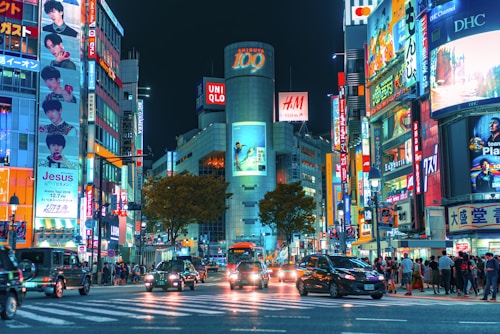
When international students envision their life in Japan, the neon-drenched streets of Shinjuku or the traditional wooden temples of Kyoto are often the first images that come to mind. However, Japan is an archipelago of incredible diversity, and some of the most rewarding educational experiences lie far beyond the central "Mainland" (Honshu) hub of Tokyo and Osaka.
If you are looking for a balance between high-quality education, affordability, and a unique lifestyle, two cities stand out as premier destinations: Sapporo, the snow-capped capital of Hokkaido in the north, and Fukuoka, the sun-drenched gateway to Asia on the southern island of Kyushu.
Choosing between these two is more than just picking a university; it is about choosing a lifestyle. This guide will walk you through the nuances of climate, cost, culture, and career opportunities to help you decide which of these regional powerhouses is your perfect match.
1. Climate and Environment: The Great Divide
The most immediate difference between Sapporo and Fukuoka is the environment. Japan stretches across a wide range of latitudes, and these two cities represent the two extremes of the Japanese climatic experience.
Sapporo: The Winter Wonderland
Sapporo is world-famous for its snow. If you enjoy the crisp air of winter and the thrill of winter sports, Sapporo is unparalleled. From December to March, the city is transformed into a white kingdom. Unlike many other snowy cities, Sapporo is designed for it; an extensive network of underground walkways (the Chikaho) connects major subway stations, shopping malls, and office buildings, allowing you to traverse the city center without ever stepping into the cold.
However, students should be prepared for the reality of Hokkaido winters. It isn't just "pretty snow"—it involves shoveling, navigating icy sidewalks, and investing in high-quality thermal wear. On the flip side, Sapporo offers the most comfortable summers in Japan. While the rest of the country swelters in 35°C heat with 80% humidity, Sapporo remains pleasantly cool, rarely requiring air conditioning.
Fukuoka: The Sunny Coastal Hub
Fukuoka offers a subtropical climate that feels much more "Pacific." The winters are mild and short, rarely seeing significant snowfall. If you prefer light jackets over heavy parkas, Fukuoka is for you. The city is defined by its proximity to the ocean; Momochi Seaside Park and the nearby islands offer a resort-like atmosphere just minutes from the city center.
The trade-off is the summer. From July to September, Fukuoka is hot and humid. However, the city’s layout—compact and breezy—makes it feel slightly more manageable than the concrete heat islands of Tokyo. It is a city of greenery and water, perfect for those who enjoy outdoor festivals and coastal vibes.
| Feature | Sapporo (Hokkaido) | Fukuoka (Kyushu) |
|---|---|---|
| Winter | Long, heavy snow, freezing temperatures. | Short, mild, occasional light frost. |
| Summer | Mild, low humidity, very comfortable. | Hot, humid, tropical feel. |
| Natural Disasters | Low risk of typhoons/earthquakes. | Prone to summer typhoons. |
| Best Season | Summer (July/August) & Winter (February). | Spring (April/May) & Autumn (October). |
2. Cost of Living and Student Housing
One of the biggest advantages of looking beyond Tokyo is the dramatic drop in living expenses. Both Sapporo and Fukuoka are significantly more affordable than the capital, allowing international students to enjoy a higher quality of life on a smaller budget.
Rent and Utilities
In both cities, you can find a modern "1K" (one-room with a kitchen) apartment for between ¥40,000 and ¥60,000 per month. In Tokyo, a similar apartment in a central location could easily cost double that.
- Sapporo Considerations: While rent is low, you must budget for "Kogai" (heating costs). Heating a northern apartment through a five-month winter can add ¥10,000 to ¥15,000 to your monthly utility bill. Many apartments in Hokkaido come with built-in kerosene heaters to manage this.
- Fukuoka Considerations: Fukuoka is currently seeing a "Startup Boom," which has caused a slight uptick in central rents, but it remains very affordable. Because the city is so compact, many students save money on transportation by commuting entirely by bicycle.
The Student Budget
Below is an estimate of monthly expenses for a typical international student living modestly in a private apartment.
| Expense Category | Sapporo (Estimated) | Fukuoka (Estimated) |
|---|---|---|
| Rent (Central/Near Campus) | ¥45,000 | ¥48,000 |
| Utilities (Gas, Water, Elec) | ¥15,000 (Higher in winter) | ¥10,000 |
| Groceries/Food | ¥35,000 | ¥35,000 |
| Mobile/Internet | ¥6,000 | ¥6,000 |
| Leisure/Miscellaneous | ¥15,000 | ¥15,000 |
| Total Monthly | ¥116,000 | ¥114,000 |
Note: These figures exclude tuition fees and insurance.
3. Local Culture, Food, and Lifestyle
The "vibe" of these two cities couldn't be more different. Sapporo feels like a frontier town—spacious, modern, and rugged—while Fukuoka feels like an ancient merchant port—bustling, energetic, and deeply social.
The Flavors of the North: Sapporo
Hokkaido is known as the "Breadbasket of Japan." If you are a foodie, Sapporo is paradise. The culture here is centered around fresh, high-quality ingredients.
* Seafood: Some of the best sushi and crab in the world.
* Dairy: Hokkaido produces the majority of Japan’s milk and cheese. The soft-serve ice cream here is legendary.
* Miso Ramen: Sapporo is the birthplace of miso ramen, designed to warm the body during cold winters.
* Jingisukan (Genghis Khan): A local specialty of grilled mutton and vegetables, named after the Mongol ruler.
The lifestyle in Sapporo is somewhat more relaxed. People are generally friendly but can be a bit more reserved initially compared to southerners. The city is famous for the Sapporo Snow Festival (Yuki Matsuri), which attracts millions of visitors to see giant ice sculptures in Odori Park.
The Energy of the South: Fukuoka
Fukuoka is often cited as the most livable city in Japan. It has a youthful energy, partly due to having one of the highest percentages of young people in the country.
* Yatai Culture: Fukuoka is unique in Japan for its open-air food stalls (Yatai). Every evening, these stalls pop up in Nakasu and Tenjin, serving Hakata Ramen, gyoza, and oden. It is a highly social environment where locals and foreigners often end up chatting over a bowl of noodles.
* Hakata Ramen: Famous for its creamy, rich pork-bone broth (Tonkotsu).
* Festivals: The Hakata Gion Yamakasa is one of the most energetic festivals in Japan, featuring massive floats raced through the streets by teams of local men.
Fukuoka's culture is deeply influenced by its history as a gateway to mainland Asia. There is a sense of openness and entrepreneurship here that makes it very welcoming for international residents.
4. Travel Opportunities and Part-Time Work
For an international student, your time in Japan is also an opportunity to explore and build your resume. Both cities offer unique advantages in this regard.
Travel: Nature vs. International Access
- Sapporo's Advantage: If you love the outdoors, Hokkaido is unmatched. Within a two-hour bus ride from Sapporo, you can be in Niseko (world-class skiing), Otaru (a romantic canal town), or Noboribetsu (famous hot springs). Hokkaido’s wilderness is vast, offering hiking, lake kayaking, and flower fields in the summer.
- Fukuoka's Advantage: Fukuoka is geographically closer to Seoul and Shanghai than it is to Tokyo. Fukuoka Airport is legendary for being just two subway stops (5 minutes!) from the main city center. For students, this means cheap and easy weekend trips to South Korea via ferry or short flights to Taiwan and Southeast Asia. Within Kyushu, you can easily visit the volcanic landscapes of Mt. Aso or the hot spring capital of Beppu.
Part-Time Work (Baito) and Career Prospects
Both cities have thriving economies, but the "flavor" of the job market differs.
- Sapporo: The economy is heavily driven by tourism and hospitality. If you speak English or another foreign language (like Chinese or Korean), there is a high demand for staff in the tourism sector, especially during the winter season. The agricultural and food processing industries also provide unique research and work opportunities for specialized students.
- Fukuoka: Fukuoka is Japan’s "Startup City." The local government offers special visas and support for entrepreneurs. For students, this means a dynamic environment with many IT and tech-related part-time roles. Additionally, because Fukuoka is a major retail hub for the Kyushu region, there are endless opportunities in service, logistics, and English education.
Conclusion: Which City Should You Choose?
Deciding between Sapporo and Fukuoka ultimately depends on your personality and what you want your "daily Japan" to look like.
Choose Sapporo if:
* You love winter and are excited by the prospect of living in a snowy metropolis.
* You prefer a city with wide streets, large parks, and a more "European" grid-like layout.
* You are a fan of fresh seafood, dairy, and craft beer.
* You want to spend your weekends skiing, snowboarding, or hiking in untouched wilderness.
Choose Fukuoka if:
* You thrive in a warm, coastal environment and enjoy a compact, walkable city.
* You are attracted to a "startup" vibe and a younger, social demographic.
* You want the easiest possible access to other Asian countries for travel.
* You love the idea of eating at outdoor street stalls and experiencing a bustling nightlife.
Both cities offer world-class universities, such as Hokkaido University (one of the prestigious former Imperial Universities) and Kyushu University, ensuring that your academic credentials will be respected regardless of which island you choose.
Japan is much more than its central "Golden Route." By choosing to study in Sapporo or Fukuoka, you aren't just getting an education; you are gaining a unique cultural perspective that many visitors to Japan never get to see. Whether you find yourself under the falling snow of Odori Park or under the neon lights of a Hakata Yatai, your time in these "frontier" cities will undoubtedly be the adventure of a lifetime.
Related Schools
 University
Tokyo University of Social Welfare: 2026 Admission & Tuition Guide
 School
Kobe Toyo Japanese Language Academy
 University
Obihiro University of Agriculture and Veterinary Medicine
 University
Osaka University of Arts 2026: Complete International Student Guide
Related Guides
 Curated List
Top 5 Tokyo Language Schools for Japanese University Prep
 Settlement
Choosing the Best Bank in Japan: Yucho vs. Megabanks
 Curated List
Top 5 Budget-Friendly Schools in Japan with Dormitories (2026)
 Career