Getting Internet in Japan: Fiber vs. Pocket Wi-Fi
Choosing the right internet connection for your apartment.
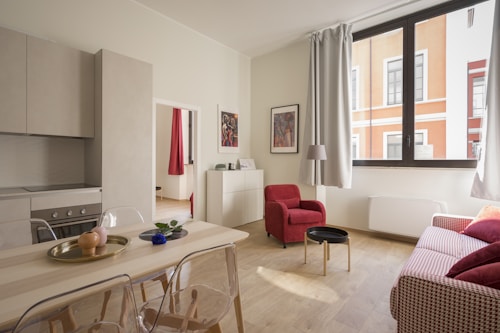
Getting Internet in Japan: Fiber vs. Pocket Wi-Fi
Moving to Japan as an international student is a whirlwind of excitement. Between finding the best ramen shops, navigating the intricate train systems, and attending your first university lectures, there is a lot to take in. However, once you settle into your new apartment or dormitory, you will quickly realize that one of the most critical tools for your success—and your sanity—is a reliable internet connection. Whether you are submitting assignments via Google Classroom, hopping on a Zoom call with family back home, or unwinding with a high-definition stream of your favorite show, your choice of internet provider will significantly impact your daily life.
In Japan, the market for internet services is highly developed but can be notoriously complex for newcomers. The language barrier, long-term contracts, and technical jargon often make the process feel overwhelming. Generally, you will find yourself choosing between two primary contenders: Hikari (Fiber Optic) and Pocket Wi-Fi.
This guide provides an in-depth comparison of these two options to help you determine which one fits your lifestyle, budget, and academic needs.
1. Hikari (Fiber Optic): The Gold Standard for Home Connectivity
"Hikari" literally translates to "light," referring to the fiber optic cables that transmit data at incredible speeds. If you are looking for the most stable, fastest, and most reliable connection possible, Hikari is the undisputed champion. Most fiber connections in Japan utilize the NTT East or NTT West infrastructure, though providers like AU Hikari and NURO Hikari have their own dedicated networks.
The Pros of Hikari
- Blazing Speeds: Standard Hikari plans usually offer speeds up to 1 Gbps, with premium services like NURO Hikari reaching up to 2 Gbps or even 10 Gbps in certain areas. This is ideal for heavy users who download large files or engage in online gaming.
- Low Latency (Ping): For students who enjoy gaming or need to participate in real-time video conferences without lag, fiber provides the lowest "ping" rates.
- Truly Unlimited Data: Unlike mobile-based solutions, fiber optic lines do not have "fair use" policies or daily data caps. You can stream 4K video all day and night without fear of being throttled.
- Stability: Because the connection is hardwired into your building, it is less susceptible to interference from weather or physical obstacles that can plague wireless signals.
The Cons of Hikari
- The Installation Wait: This is the biggest hurdle for students. Getting a fiber line installed requires "Koji" (construction). Depending on the season (especially during the "moving season" in March and April), you might wait anywhere from three weeks to two months for a technician to visit.
- Contract Complexity: Most Hikari plans involve 2-year or 3-year contracts. If you leave Japan before the contract ends, you may be hit with a significant cancellation fee (though laws have recently changed to cap these fees, they still exist).
- Installation Fees: While many companies offer campaigns to waive these fees, the standard cost for installation can range from 15,000 JPY to 40,000 JPY.
2. Pocket Wi-Fi: Portability and Instant Gratification
Pocket Wi-Fi, often called "Mobile Wi-Fi" or "WiMAX" in Japan, is a small, battery-powered router that connects to cellular networks (4G LTE or 5G) and broadcasts a Wi-Fi signal to your devices. For many international students, this is the first point of entry into the Japanese internet market because of its simplicity.
The Pros of Pocket Wi-Fi
- Zero Wait Time: You can walk into a store or order online and have internet the same day. There is no need for a technician or any drilling in your walls.
- Portability: You can take your internet with you. Whether you are studying at a cafe, traveling to Kyoto for the weekend, or commuting on the Shinkansen, your Wi-Fi is in your pocket.
- Easy Setup: It is literally "plug and play." You turn the device on, enter the password, and you are connected.
- Short-term Options: Many providers catering specifically to foreigners offer monthly rolling contracts, which are perfect if you are only in Japan for one or two semesters.
The Cons of Pocket Wi-Fi
- Data Caps and Throttling: While many plans are advertised as "Unlimited," they often include a "Fair Use Policy." For example, if you use more than 15GB in three consecutive days, your speed might be drastically reduced during peak hours.
- Inconsistent Speeds: Your speed depends entirely on your proximity to a cell tower and the materials of the building you are in. Thick concrete walls in Japanese apartments can sometimes weaken the signal.
- Battery Life: Since it is a portable device, you have to remember to charge it. If the battery dies, so does your internet.
3. Direct Comparison: Speed, Cost, and Setup
To help you visualize the differences, let’s look at how these two options stack up against each other across several key categories.
Table 1: Feature Comparison
| Feature | Hikari (Fiber Optic) | Pocket Wi-Fi |
|---|---|---|
| Typical Speed | 100 Mbps - 1 Gbps+ | 20 Mbps - 100 Mbps |
| Data Limit | Truly Unlimited | Soft caps (e.g., 10GB/3 days) |
| Installation | Required (2–8 week wait) | None (Instant) |
| Portability | Stationary (Home only) | Highly Portable |
| Contract Length | Usually 2–3 years | Flexible (Monthly to 2 years) |
| Stability | Very High | Moderate (Weather/Location dependent) |
| Gaming/Zoom | Excellent | Average to Good |
Table 2: Estimated Monthly Costs (Approximate)
| Item | Hikari (Fiber) | Pocket Wi-Fi |
|---|---|---|
| Monthly Subscription | 4,000 – 5,500 JPY | 3,000 – 4,800 JPY |
| Installation/Device Fee | 15,000 – 40,000 JPY (often waived) | 0 – 20,000 JPY (device cost) |
| Administrative Fee | 3,300 JPY | 3,300 JPY |
| Cancellation Fee | 1 month's rent (approx.) | 0 – 5,000 JPY |
Note: Prices are estimates and vary significantly based on current "Campaigns" or student discounts.
4. The "Middle Ground": Home Routers (SoftBank Air / WiMAX Home)
Before making a final decision, it is worth mentioning a third option that has become increasingly popular: the Home Router (such as SoftBank Air or UQ WiMAX Home).
These devices plug into a wall outlet like a lamp but connect to the internet via cellular signals like a Pocket Wi-Fi. They offer a compromise: you get a more powerful antenna and more stable home signal than a pocket device, but you still skip the "Koji" (installation construction) required for fiber. However, they are not portable as they require a power outlet, and they are still subject to the same atmospheric interference as cellular phones. For students who cannot get permission from their landlord to install fiber but want something more robust than a pocket device, this is a great alternative.
5. Important Considerations for International Students
When you are ready to apply, keep the following "Expert Tips" in mind to avoid common pitfalls:
Check Your Apartment’s Compatibility
Before applying for Hikari, ask your landlord or real estate agent if the building is "Hikari-mansion" ready. If the building already has the infrastructure, the installation is much faster and cheaper. If the building is old, they might not allow you to drill the necessary holes for a new fiber line.
Payment Methods
Many major Japanese providers (like NTT or SoftBank) traditionally required a Japanese credit card or a local bank account. This can be a "chicken and egg" problem for new students. Fortunately, providers like Sakura Mobile, Mobal, and GTN Mobile specialize in serving international residents and often accept overseas credit cards and provide full English support.
The "English Support" Premium
Applying for a domestic service through a Japanese website might save you 500–1,000 JPY per month, but if something goes wrong, you will need to navigate a Japanese-only customer service line. For most students, paying a small premium for a provider with English support is worth the peace of mind.
IPv6 vs. IPv4
If you choose Hikari, look for a provider that offers "IPv6 IPoE." Traditional IPv4 connections in Japan often become extremely slow during peak hours (7:00 PM to 12:00 AM) due to network congestion. IPv6 bypasses these "traffic jams," ensuring your speed remains high even when everyone else in your building is watching Netflix.
Conclusion: Which One Should You Choose?
The "right" choice depends entirely on your specific circumstances as a student in Japan.
Choose Hikari (Fiber) if:
* You are staying in Japan for at least two years.
* You are a heavy gamer, a YouTuber, or someone who downloads massive academic datasets.
* You live in an apartment where fiber is already pre-installed.
* Stability is your number one priority for online classes.
Choose Pocket Wi-Fi if:
* You are in Japan for a short-term program (6 months to 1 year).
* You need internet immediately and cannot wait weeks for installation.
* You prefer studying in cafes, libraries, or parks rather than just at your desk.
* You want a simple application process without worrying about landlord permissions.
Getting connected is one of the first steps to making Japan feel like home. While the options might seem daunting at first, the infrastructure here is world-class. Once you have your Wi-Fi sorted, you can get back to what really matters: enjoying your studies and exploring the incredible culture that Japan has to offer. Good luck, and welcome to your new digital life in the Land of the Rising Sun!
Related study abroad guides
Was this page helpful?
Your feedback helps us improve our guides
Related schools


Related guides
 Budget
Save with Japanese Budgeting Apps: Money Forward ME vs Zaim for Students
Housing
Find Apartments in Japan: Complete SUUMO, Homes, Apaman Shop Guide
Housing
Student Housing in Japan: Dorms vs Share Houses vs Apartments 2026
Budget