Best Neighborhoods in Osaka 2026: Where to Live for Students & Expats
Compare Osaka's top neighborhoods by rent costs, safety ratings, and lifestyle. Find the best areas in Umeda, Namba, Dotonbori, and beyond for students and expats.
Where to Live in Osaka: Umeda vs. Namba
Choosing a place to live in a new country is perhaps the most significant decision you will make as an international student. In Osaka, Japan’s third-largest city and its undisputed "Kitchen of the World," this decision usually boils down to a choice between two massive, vibrant hubs: Umeda (Kita) and Namba (Minami).
While Osaka is known for its friendly residents, incredible street food, and laid-back atmosphere compared to Tokyo, these two districts offer vastly different living experiences. Umeda, located in the north (Kita), is the city's sleek, commercial powerhouse. Namba, located in the south (Minami), is the beating heart of Osaka’s culture, nightlife, and traditional charm.
In this comprehensive guide, we will break down the differences in rent, lifestyle, accessibility, and vibe to help you decide which side of the city suits your student life best.
1. The Vibe and General Atmosphere: Sophistication vs. Soul
The most immediate difference between Umeda and Namba is the "feeling" of the streets. As an international student, your environment will dictate your daily mood and how you spend your weekends.
Umeda: The Futuristic Metropolis
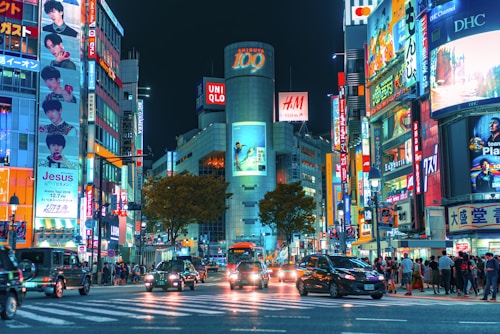
Umeda is the "face" of modern Osaka. It is characterized by soaring glass skyscrapers, high-end department stores like Hankyu and Hanshin, and the sprawling "Umeda Dungeon"—a massive underground labyrinth of shops and walkways that connects several train stations.
Living in Umeda feels like living in the future. It is clean, organized, and professional. You will see thousands of "salarymen" and office workers during the day, giving the area a bustling, business-centric energy. For students who prefer a polished environment, modern architecture, and a sense of being in the middle of a global city, Umeda is the place to be. It is also home to Nakazakicho, a nearby neighborhood filled with retro cafes and art galleries, providing a quiet escape from the steel and glass.
Namba: The Cultural Heartbeat
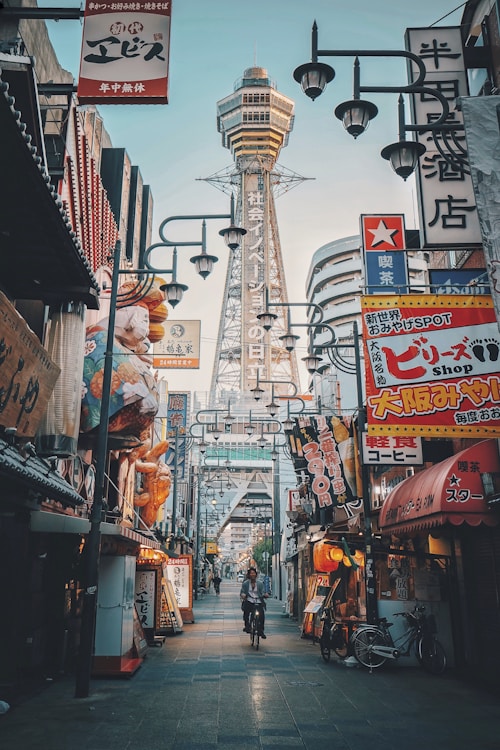
If Umeda is the brain of Osaka, Namba is its heart and soul. This area includes Shinsaibashi, Dotonbori, and Amerikamura. It is loud, colorful, and famously "gritty" in the most charming way possible. The neon lights of the Glico Running Man and the giant mechanical crabs of Dotonbori define this area.
Namba is where the "real" Osaka lives. It’s chaotic, friendly, and smells like takoyaki and okonomiyaki at all hours. As an international student, you might find Namba more approachable. It has a high concentration of youth culture, vintage clothing stores, and a legendary nightlife scene. If you want to be where the action is and don’t mind a bit of noise and crowds, Namba will never bore you.
| Feature | Umeda (Kita) | Namba (Minami) |
|---|---|---|
| Primary Vibe | Professional, High-end, Modern | Energetic, Cultural, Traditional |
| Crowd Type | Business professionals, Shoppers | Tourists, Students, Nightlife seekers |
| Landmarks | Grand Front Osaka, Umeda Sky Building | Dotonbori, Namba Parks, Hozenji Yokocho |
| Aesthetic | Skyscrapers and Glass | Neon lights and Narrow alleys |
2. Cost of Living and Housing Options
For most international students, the budget is the deciding factor. Osaka is generally more affordable than Tokyo, but rent can still vary significantly between the North and the South.
Rent Prices
Umeda is generally more expensive. Because it is a business district with limited residential space, apartments directly in Umeda are often luxury condos. However, if you look just one or two stations away (like Nakatsu or Temma), prices become more manageable.
Namba offers a wider range of housing. Because the South has more older residential buildings tucked behind the main streets, you can often find "1K" (one room + kitchen) apartments at a lower price point than in the North. Areas like Daikokucho (just south of Namba) are very popular with international students because they offer cheap rent while remaining within walking distance of the Namba excitement.
Monthly Expenses
Beyond rent, consider your daily costs. Umeda is home to many high-end supermarkets like Seijo Ishii, which can be pricey. Namba and its surrounding areas feature more budget-friendly options like "Tamade"—a famous discount supermarket chain in Osaka known for its bright yellow signs and incredibly low prices.
Average Monthly Rent Comparison (1K/Studio Apartment):
| Area | Average Rent (Standard) | Budget/Student Option |
|---|---|---|
| Umeda Central | ¥85,000 - ¥110,000 | ¥65,000 (Nakatsu Area) |
| Namba Central | ¥70,000 - ¥90,000 | ¥55,000 (Daikokucho/Ashiharabashi) |
| Shinsaibashi | ¥75,000 - ¥95,000 | ¥60,000 (Horie/Nagahoribashi) |
3. Education and Accessibility
As a student, your "commute" is a vital part of your day. Fortunately, both Umeda and Namba are massive transportation hubs, but they serve different directions.
Connectivity
Umeda is the ultimate gateway to the rest of Japan. It houses JR Osaka Station, as well as the private rail lines Hankyu and Hanshin.
- Hankyu Line: Perfect for students attending schools in Kyoto or Kobe.
- JR Lines: Direct access to the Shinkansen (at Shin-Osaka) and the Loop Line.
- Subway: The Midosuji, Tanimachi, and Yotsubashi lines all converge here.
Namba is the gateway to the south and the airport.
- Nankai Line: Direct access to Kansai International Airport (KIX).
- Kintetsu Line: Perfect for trips to Nara or Nagoya.
- Subway: Namba is a major stop on the Midosuji, Sennichimae, and Yotsubashi lines.
Proximity to Schools
Many Japanese language schools are located in the corridor between Umeda and Namba (the Honmachi area). If your school is in the northern part of the city, Umeda is more convenient. If you are attending a vocational college or a university with a campus in the south (like Osaka Metropolitan University), Namba or the nearby Tennoji area might be better.
The "Midosuji" Factor: Both areas are connected by the Midosuji Subway Line (the Red Line). This is the "artery" of Osaka. If you live near any station on this line, you can get from Umeda to Namba in about 10 minutes.
4. Entertainment, Food, and Social Life
This is where the two areas truly shine, but they offer different types of fun.
Food: The Battle of the Palates
Osaka's motto is Kuidaore—"eat until you drop."
- In Umeda, the food scene is slightly more "sophisticated." You will find amazing basement food halls (depachika), high-end sushi, and trendy "Instagrammable" cafes. The Kitashinchi area in Umeda is famous for its high-end dining and host/hostess clubs, catering to a wealthier clientele.
- In Namba, the food is raw and real. Dotonbori is a street food paradise. You can grab a plate of takoyaki for 500 yen and eat it while standing by the river. Namba is also home to "Hozenji Yokocho," a beautiful stone-paved alleyway that feels like old Kyoto, filled with tiny traditional izakayas.
Shopping and Socializing
- Umeda Shopping: Focuses on global brands and massive malls. Places like Grand Front Osaka, LUCUA 1100, and the world’s largest HEP FIVE Ferris wheel. It’s a great place for window shopping and buying high-quality goods.
- Namba/Shinsaibashi Shopping: Features the Shinsaibashi-suji covered arcade, which stretches for over half a kilometer. It’s packed with drugstores, fast fashion (Uniqlo, H&M), and souvenir shops. Nearby Amerikamura (Amemura) is the "Harajuku of Osaka," where students hang out to buy vintage clothes and listen to music.
For students looking to meet other international people, Namba has a higher density of "Gaijin Bars" and international hubs. However, Umeda has a growing scene of international craft beer pubs and networking events centered around the business community.
5. Final Verdict: Which One Should You Choose?
Deciding where to live depends on your personality, your goals, and your wallet. Both Umeda and Namba are icons of Japan, and neither choice is "wrong."
Choose Umeda if:
- You enjoy a modern, clean, and professional environment.
- You plan to travel frequently to Kyoto or Kobe for school or leisure.
- You have a slightly higher budget for rent.
- You prefer organized shopping malls over crowded street markets.
- You want to live in the "Center of the North" with easy access to the Shinkansen.
Choose Namba if:
- You want to be immersed in the "authentic" Osaka culture.
- You love nightlife, street food, and vibrant energy.
- You are looking for more affordable housing options (especially in nearby Daikokucho).
- You want to be close to the "youth" districts like Amerikamura.
- You need easy access to Kansai International Airport for frequent flights home.
The Expert's Tip
If you are still torn, consider living between the two. Neighborhoods like Honmachi or Yodoyabashi offer a quiet, residential feel while being exactly halfway between Umeda and Namba. You can enjoy the peace of a residential street at night and be only a 5-minute train ride (or a 15-minute bike ride) away from the excitement of either hub.
Living in Osaka as an international student is an unforgettable experience. Whether you choose the sleek towers of Umeda or the neon-lit alleys of Namba, you are stepping into a city that is famous for its warmth and hospitality. Welcome to your new home!
Related study abroad guides
Was this page helpful?
Your feedback helps us improve our guides