Tokyo vs Osaka vs Rural Areas
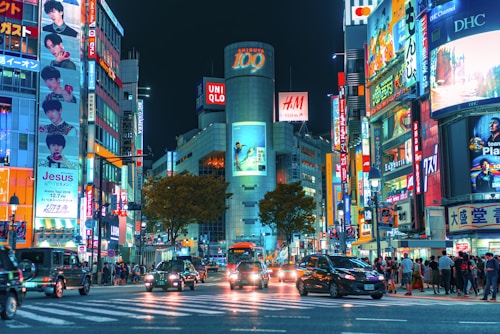
Tokyo vs. Osaka vs. Rural Japan: A Cost-Conscious Guide for International Students
Choosing where to study in Japan is a thrilling but often daunting decision for international students. Beyond academic reputation and program suitability, the cost of living is a crucial factor. Tokyo, Osaka, and rural areas each offer unique experiences and drastically different price points. Understanding these differences is essential for budgeting effectively and ensuring a comfortable and fulfilling student life. This guide will delve into the financial realities of each location, helping you make an informed choice that aligns with your budget and lifestyle.
Tokyo: The Metropolis of Opportunity (and Expenses)
Tokyo, the bustling capital of Japan, is a global hub renowned for its vibrant culture, cutting-edge technology, and world-class universities. However, this unparalleled experience comes with a hefty price tag. Understanding the specific cost drivers is crucial for managing your finances effectively.
Accommodation Costs in Tokyo
Accommodation is typically the most significant expense for students in Tokyo. Expect to pay significantly more compared to Osaka or rural areas. Several options are available, each with varying price points:
- Dormitories: University dormitories are generally the most affordable option, ranging from ¥50,000 to ¥80,000 per month. However, availability can be limited, and competition for places is fierce. They often offer basic amenities and a chance to integrate with other students.
- Share Houses: Share houses are a popular choice, offering a balance between affordability and independence. Private rooms in share houses typically cost between ¥60,000 and ¥100,000 per month, including utilities. Shared facilities include kitchens, bathrooms, and common areas.
- Apartments: Renting your own apartment provides the most privacy but is also the most expensive. Expect to pay upwards of ¥100,000 per month for a small studio apartment, excluding utilities. Initial costs can also be high, including security deposits, key money (a non-refundable payment to the landlord), and agency fees. Location significantly impacts rent, with central areas like Shibuya and Shinjuku commanding premium prices. Consider areas slightly further from the city center, such as Setagaya or Suginami, for more affordable options.
- Guesthouses: Guesthouses are short-term accommodations which may suit students during the initial settling-in period. They typically offer furnished rooms and shared facilities at a reasonable rate, but are not ideal for longer-term stays.
Transportation Costs in Tokyo
Tokyo boasts an incredibly efficient and extensive public transportation system, but it can be expensive, especially if you rely heavily on trains and subways.
- Commuting Passes: Investing in a student commuting pass ( tsūgakuteiki) for your designated route between your accommodation and university can significantly reduce transportation costs. These passes offer unlimited travel on the specified route.
- IC Cards: Purchasing a rechargeable IC card, such as Suica or Pasmo, is essential for convenient travel. These cards can be used on most trains, buses, and even at vending machines. You can reload them at station kiosks.
- Bicycles: Cycling is a popular and cost-effective way to get around, especially for shorter distances. Consider purchasing a used bicycle to save money. However, be aware of traffic regulations and designated cycling lanes.
- Shinkansen (Bullet Train): While incredibly fast and efficient, the Shinkansen is expensive. Avoid using it for regular commuting.
Food and Entertainment Costs in Tokyo
Tokyo offers a diverse culinary scene, from Michelin-starred restaurants to affordable street food stalls. However, eating out frequently can quickly drain your budget.
- Cooking at Home: Preparing your own meals is the most economical way to eat. Supermarkets offer a wide range of ingredients, and discount stores like Don Quijote can be a good source of affordable groceries.
- Student Cafeterias: University cafeterias provide subsidized meals at reasonable prices. Take advantage of this option for affordable lunches and dinners.
- Convenience Stores (Konbini): Konbini offer a wide array of ready-to-eat meals, snacks, and drinks. While convenient, they can be more expensive than cooking at home.
- Eating Out: Dining out in Tokyo can range from affordable ramen shops to high-end restaurants. Research your options and look for budget-friendly eateries. Lunch sets ( teishoku) are often cheaper than dinner.
- Entertainment: Tokyo offers a plethora of entertainment options, from museums and art galleries to karaoke and nightlife. Many museums offer student discounts. Look for free events and activities to save money.
Estimated Monthly Expenses in Tokyo for Students
| Expense Category | Estimated Cost (¥) |
|---|---|
| Accommodation | 60,000 - 120,000 |
| Transportation | 8,000 - 15,000 |
| Food | 30,000 - 50,000 |
| Utilities | 8,000 - 15,000 |
| Personal Expenses | 15,000 - 30,000 |
| Total | 121,000 - 230,000 |
Important Note: These are just estimates, and your actual expenses may vary depending on your lifestyle and spending habits.
Osaka: A More Affordable Metropolitan Experience
Osaka, Japan's second-largest city, offers a vibrant culture, delicious food, and a more relaxed atmosphere than Tokyo. Crucially, it also boasts a significantly lower cost of living, making it an attractive option for budget-conscious students.
Accommodation Costs in Osaka
Accommodation costs in Osaka are notably lower than in Tokyo, offering students greater affordability.
- Dormitories: Similar to Tokyo, university dormitories are the most affordable option, typically ranging from ¥40,000 to ¥70,000 per month.
- Share Houses: Share houses in Osaka are generally cheaper than in Tokyo, with private rooms costing between ¥50,000 and ¥90,000 per month, including utilities.
- Apartments: Renting your own apartment in Osaka is significantly more affordable than in Tokyo. You can find small studio apartments for around ¥70,000 to ¥100,000 per month, excluding utilities. Areas like Namba and Umeda are popular but more expensive. Consider areas slightly further out for better deals.
Transportation Costs in Osaka
Osaka also has an efficient public transportation system, with lower fares compared to Tokyo.
- Commuting Passes: Student commuting passes offer similar discounts to those in Tokyo.
- IC Cards: IC cards like ICOCA are widely accepted on trains and buses in Osaka.
- Bicycles: Cycling is a popular mode of transport, and Osaka is relatively flat, making it easy to navigate by bicycle.
Food and Entertainment Costs in Osaka
Osaka is renowned for its kuidaore (eat 'til you drop) culture, with a plethora of delicious and affordable food options.
- Street Food: Osaka is famous for its street food, such as takoyaki (octopus balls) and okonomiyaki (savory pancake), which are both delicious and budget-friendly.
- Local Restaurants: Many local restaurants offer affordable lunch sets and dinner specials.
- Supermarkets and Cooking: Similar to Tokyo, cooking at home is the most economical option.
- Entertainment: Osaka offers a range of entertainment options, including Dotonbori, Osaka Castle, and Universal Studios Japan. Look for student discounts and free events.
Estimated Monthly Expenses in Osaka for Students
| Expense Category | Estimated Cost (¥) |
|---|---|
| Accommodation | 50,000 - 100,000 |
| Transportation | 6,000 - 12,000 |
| Food | 25,000 - 45,000 |
| Utilities | 6,000 - 12,000 |
| Personal Expenses | 12,000 - 25,000 |
| Total | 99,000 - 194,000 |
As you can see, studying in Osaka can potentially save you a significant amount of money each month compared to Tokyo.
Rural Areas: A Budget-Friendly and Authentic Experience
Studying in rural areas of Japan offers a unique opportunity to immerse yourself in traditional culture, experience breathtaking natural scenery, and significantly reduce your living expenses. While opportunities may be fewer, the rewards are abundant for the adventurous student.
Accommodation Costs in Rural Areas
Accommodation is significantly cheaper in rural areas compared to Tokyo and Osaka.
- Dormitories: University dormitories are generally available and very affordable, ranging from ¥30,000 to ¥60,000 per month.
- Share Houses: Share houses may be available in some rural towns, offering a similar price range to dormitories.
- Apartments: Renting an apartment in a rural area can be incredibly affordable, with prices starting from ¥40,000 per month.
- Homestays: Many families in rural areas are willing to host international students, providing a unique cultural immersion experience and often including meals. This is a good option for long-term stays, particularly if linked to your university.
Transportation Costs in Rural Areas
Public transportation in rural areas may be less frequent and efficient than in major cities.
- Buses: Buses are the primary mode of public transportation, but routes may be limited.
- Trains: Train services may be less frequent and more expensive than in urban areas.
- Bicycles: Cycling is an excellent way to get around in rural areas, allowing you to explore the countryside.
- Cars: Owning a car may be necessary in some rural areas, but this comes with additional expenses such as insurance, maintenance, and parking.
Food and Entertainment Costs in Rural Areas
Food and entertainment options in rural areas may be limited but are generally more affordable than in cities.
- Local Markets: Local markets offer fresh produce and regional specialties at reasonable prices.
- Cooking at Home: Cooking at home is the most economical option, especially since restaurant choices are fewer.
- Exploring Nature: Hiking, cycling, and exploring the countryside are free and rewarding activities.
- Local Festivals: Attending local festivals offers a glimpse into traditional Japanese culture.
Estimated Monthly Expenses in Rural Areas for Students
| Expense Category | Estimated Cost (¥) |
|---|---|
| Accommodation | 30,000 - 70,000 |
| Transportation | 4,000 - 10,000 |
| Food | 20,000 - 40,000 |
| Utilities | 5,000 - 10,000 |
| Personal Expenses | 10,000 - 20,000 |
| Total | 69,000 - 150,000 |
Studying in a rural area can significantly reduce your living expenses, allowing you to focus on your studies and immerse yourself in Japanese culture.
Cost Comparison Table: Tokyo vs. Osaka vs. Rural Areas
| Expense Category | Tokyo (¥) | Osaka (¥) | Rural Area (¥) |
|---|---|---|---|
| Accommodation | 60,000 - 120,000 | 50,000 - 100,000 | 30,000 - 70,000 |
| Transportation | 8,000 - 15,000 | 6,000 - 12,000 | 4,000 - 10,000 |
| Food | 30,000 - 50,000 | 25,000 - 45,000 | 20,000 - 40,000 |
| Utilities | 8,000 - 15,000 | 6,000 - 12,000 | 5,000 - 10,000 |
| Personal Expenses | 15,000 - 30,000 | 12,000 - 25,000 | 10,000 - 20,000 |
| Total (Low) | 121,000 | 99,000 | 69,000 |
| Total (High) | 230,000 | 194,000 | 150,000 |
This table clearly illustrates the significant cost differences between the three locations. The cost of living in a rural area can be almost half that of Tokyo.
Making the Right Choice: Factors to Consider
While cost is a crucial factor, it's not the only one. Consider the following when making your decision:
- Academic Program: Ensure that the university offering your desired program is located in an area that aligns with your budget.
- Career Opportunities: If you plan to work in Japan after graduation, consider the job market in each location. Tokyo offers the most opportunities, but competition is also fierce.
- Cultural Preferences: Do you prefer the excitement of a big city or the tranquility of the countryside?
- Language Skills: Rural areas may require a higher level of Japanese proficiency for daily life.
- Transportation Needs: Evaluate your transportation needs based on the location of your university and accommodation.
Tips for Saving Money as an International Student
No matter where you choose to study, here are some general tips for saving money:
- Create a Budget: Track your income and expenses to identify areas where you can cut back.
- Look for Discounts: Take advantage of student discounts on transportation, entertainment, and other services.
- Buy Used Textbooks: Purchase used textbooks from upperclassmen or online marketplaces.
- Cook at Home: Prepare your own meals as often as possible.
- Limit Eating Out: Reduce the frequency of eating out at restaurants.
- Use Free Resources: Take advantage of free resources offered by your university, such as libraries, computer labs, and career services.
- Find Part-Time Work: If your visa allows, consider finding a part-time job to supplement your income. However, prioritize your studies.
- Open a Japanese Bank Account: A Japanese bank account simplifies financial transactions and may offer better exchange rates.
- Send Money Wisely: Research the most cost-effective ways to transfer money from your home country.
Ultimately, the best location for you will depend on your individual circumstances and priorities. By carefully considering your budget, academic goals, and personal preferences, you can make an informed decision that sets you up for a successful and rewarding study abroad experience in Japan. Remember to research thoroughly, plan ahead, and be adaptable to unexpected challenges.
Related Schools
 University
Tokyo University of Social Welfare: 2026 Admission & Tuition Guide
 School
Kobe Toyo Japanese Language Academy
 University
Obihiro University of Agriculture and Veterinary Medicine
 University
Osaka University of Arts 2026: Complete International Student Guide
Related Guides
 Curated List
Top 5 Tokyo Language Schools for Japanese University Prep
 EJU Prep
EJU Prep Schools in Tokyo: What to Compare
 Dormitory Guide
Osaka Language Schools With Dormitory Options
 Location Guide