Short-Term Study in Japan (Under 3 Months)
What you can learn and experience on a tourist visa.
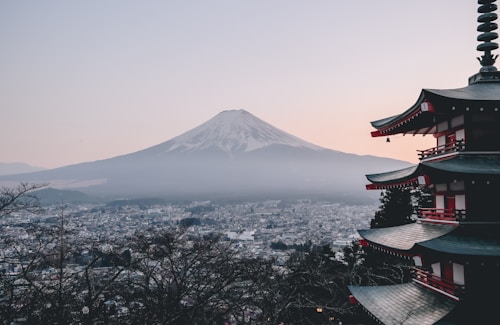
Short-Term Study in Japan: Your Comprehensive Guide to 1-3 Month Programs
Japan has long been a dream destination for students worldwide. Whether it’s the allure of neo-Tokyo’s neon lights, the tranquil temples of Kyoto, or the world-class culinary scene, the "Land of the Rising Sun" offers an educational experience unlike any other. However, for many, the prospect of a two-year language program or a four-year degree is a daunting commitment. This is where short-term study programs (those lasting under three months) come into play.
Perfect for students on a gap year, professionals on a career break, or hobbyists looking to level up their language skills, short-term programs offer a "taster" of life in Japan without the administrative burden of a student visa. In this guide, we will break down everything you need to know about studying in Japan for 1 to 3 months on a tourist visa.
1. Navigating the Logistics: The "Temporary Visitor" Pathway
The most significant advantage of a program under 90 days is the visa situation. Unlike long-term students who must undergo a rigorous six-month application process for a Certificate of Eligibility (COE) and a Student Visa, short-term students typically enter on a Temporary Visitor Visa (often referred to as a "Tourist Visa").
Visa-Exempt vs. Applied Visas
For citizens of many countries (including the US, UK, Canada, Australia, and most of the EU), Japan offers a visa-exempt status for stays up to 90 days. You simply show up at the airport, get your passport stamped, and you are ready to head to class.
However, if your country does not have a visa-waiver agreement with Japan, you will need to apply for a "Short-Term Stay for Study" visa at your local Japanese embassy. This is still significantly easier than applying for a full student visa, as it requires fewer financial documents and no sponsorship from the Ministry of Justice.
The 90-Day Limit
It is crucial to remember that the limit is exactly 90 days. If your program is 12 weeks long, you must be careful with your arrival and departure dates to ensure you do not overstay, as even a one-day overstay can lead to deportation and a multi-year ban from entering the country.
Comparison: Short-Term vs. Long-Term Study
To help you decide which path is right for you, consider this comparison:
| Feature | Short-Term (Under 3 Months) | Long-Term (6 Months to 2 Years) |
|---|---|---|
| Visa Type | Temporary Visitor (Tourist) | Student Visa |
| COE Required | No | Yes |
| Part-Time Work | Strictly Prohibited | Allowed (up to 28 hrs/week) |
| Health Insurance | Private Travel Insurance needed | National Health Insurance (NHI) |
| Resident Card | No (Passport stamp only) | Yes (Zairyu Card) |
| Bank Account | Not eligible | Eligible |
| Application Time | 1–4 weeks | 5–7 months |
2. The Pros and Cons: Is It Right for You?
Before booking your flight to Narita or Kansai International, it is essential to weigh the benefits against the limitations of a short-term stay.
The Pros: Freedom and Speed
- Minimal Paperwork: You won’t need to provide years of bank statements, proof of income for your "financial guarantor," or your graduation certificates from ten years ago.
- Flexibility: Many schools offer "rolling admissions," meaning you can start your course on any Monday (or at the start of any month).
- Low Risk: If you find that living in Japan isn't what you imagined, you aren't tied down by a year-long lease or a multi-thousand-dollar tuition contract.
- Cultural Immersion: Because you aren't spending 28 hours a week working a part-time job (baito), you have more time to explore, travel, and practice your Japanese in real-world settings.
The Cons: Financial and Practical Limitations
- No Part-time Work: This is the biggest hurdle. Under a Temporary Visitor status, you are legally forbidden from engaging in any paid activities. You must have enough savings to cover your entire stay (tuition, rent, and food) upfront.
- No "Resident" Perks: You will not receive a Resident Card. This means you cannot sign up for a traditional phone contract (you must use travel SIMs/eSIMs), you cannot open a Japanese bank account, and you cannot join the National Health Insurance system.
- Intensive Pace: Because the time is short, the curriculum is often fast-paced. If you miss a week due to illness, you’ve missed a significant portion of your entire program.
- Housing Costs: Short-term accommodation (1-3 months) is generally more expensive per month than long-term apartments, as you are paying for the convenience of furniture and utilities being included.
3. What to Expect from the Curriculum
Short-term programs are designed to deliver maximum impact in a minimal timeframe. Most language schools in major cities like Tokyo, Osaka, Fukuoka, and Kyoto offer specific "Short-Term Intensive" tracks.
Typical Weekly Schedule
Most schools operate on a half-day system. You will either attend the morning session (approx. 9:00 AM – 12:30 PM) or the afternoon session (approx. 1:30 PM – 5:00 PM). This leaves the other half of the day free for homework and exploration.
- Grammar and Vocabulary: Building the foundations for daily survival.
- Kanji: Learning the most common characters used in menus, street signs, and shops.
- Conversation Practice: Focusing on "Survival Japanese"—ordering food, asking for directions, and making basic introductions.
- Cultural Activities: Many schools include weekly "Cultural Experiences" such as tea ceremonies, calligraphy (shodo), or visits to local shrines as part of the short-term package.
Choosing Your Focus
- The "Summer/Winter Intensive": Usually 4 weeks long. These are high-energy, social programs aimed at students on school holidays. They include many group outings.
- The JLPT Prep Course: If you are visiting Japan specifically to pass the Japanese Language Proficiency Test (N1-N5), some schools offer targeted 8-week boot camps.
- General Practical Japanese: This is the most common choice, focusing on communicative competence rather than academic rigor.
4. Accommodation and Living Costs
Since you won't be a "resident," your housing options are slightly different. You will look for "Monthly Mansions" or "Share Houses."
Popular Housing Options
- Share Houses (e.g., Sakura House, Oakhouse): You get a private room but share the kitchen and bathroom. This is the most popular choice for short-term students as it provides an instant social circle.
- Homestays: Living with a Japanese family. This is the ultimate for language immersion but offers the least amount of privacy.
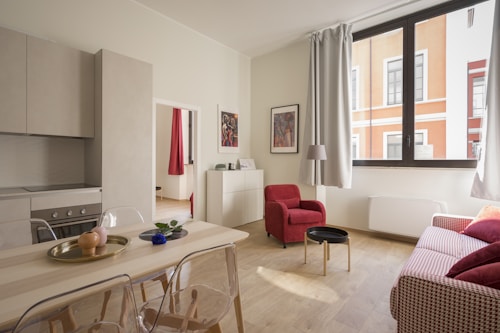
- Weekly/Monthly Mansions: These are fully furnished apartments that specialize in short-term stays. They are more private but can be quite expensive.
Estimated Monthly Budget (Short-Term)
Living in Japan is not as expensive as it once was, but a short-term student needs to budget for "tourist" activities as well as "student" life.
| Expense Category | Estimated Cost (Monthly - JPY) | Estimated Cost (Monthly - USD) |
|---|---|---|
| Tuition (Average) | ¥70,000 – ¥90,000 | $470 – $600 |
| Rent (Share House) | ¥60,000 – ¥100,000 | $400 – $670 |
| Food & Groceries | ¥40,000 – ¥60,000 | $270 – $400 |
| Transport (Passes) | ¥10,000 – ¥15,000 | $65 – $100 |
| Entertainment/Travel | ¥30,000 – ¥50,000 | $200 – $340 |
| Total | ¥210,000 – ¥315,000 | $1,405 – $2,110 |
Note: Exchange rates fluctuate. These figures are based on a rate of approx. 150 JPY to 1 USD.
5. Steps to Start Your Journey
If you’ve decided that a 1-3 month stint in Japan is right for you, follow these steps to ensure a smooth transition:
Step 1: Research Schools
Look for schools accredited by the Association for the Promotion of Japanese Language Education (Nisshinkyo). Check if they are located in an area that suits your lifestyle—Shibuya for excitement, Kyoto for tradition, or Fukuoka for a laid-back, coastal vibe.
Step 2: Apply and Pay Tuition
Unlike long-term programs, you usually pay the full tuition for short-term courses upfront. Once payment is received, the school will send you a Letter of Admission. You will need to show this at immigration if asked about the purpose of your visit.
Step 3: Arrange Travel Insurance
Since you are not eligible for Japan’s National Health Insurance, comprehensive travel insurance is mandatory. A simple visit to a clinic for a cold can cost ¥10,000, and an emergency surgery could cost millions. Ensure your policy covers international medical expenses and "repatriation."
Step 4: Book Accommodation Early
The "Golden Route" (Tokyo-Kyoto-Osaka) is incredibly popular. Share houses and monthly mansions fill up 2-3 months in advance, especially during the Cherry Blossom (Spring) and Autumn Leaf seasons.
Step 5: Master the Basics Before You Go
To get the most out of a 3-month program, try to learn Hiragana and Katakana before you land. If you spend your first month in Japan just learning how to read the basic alphabets, you’ll miss out on the opportunity to dive into more complex conversations.
Final Thoughts: The Perfect "Trial Run"
Short-term study in Japan is the perfect "trial run" for anyone considering a more permanent move or simply looking to enrich their life through cultural immersion. It strips away the bureaucratic headaches of the student visa process and replaces them with the freedom to explore.
While the lack of part-time work rights means you need to be financially prepared, the reward is 100% focus on your education and your environment. Whether you are slurping ramen in a hidden alleyway in Fukuoka or mastering your N3 grammar in a high-tech classroom in Shinjuku, those 90 days will likely stay with you for a lifetime.
Japan is waiting—are you ready to take the leap? From the bustling streets to the quiet mountain trails, your short-term adventure is just an application away. Pack your bags, brush up on your "Arigato Gozaimasu," and get ready for an unforgettable educational journey!
Related study abroad guides
Was this page helpful?
Your feedback helps us improve our guides
Related schools


Related guides
 Budget
Save with Japanese Budgeting Apps: Money Forward ME vs Zaim for Students
 Housing
Find Apartments in Japan: Complete SUUMO, Homes, Apaman Shop Guide
Housing
Student Housing in Japan: Dorms vs Share Houses vs Apartments 2026
Budget