Teaching English Part-time: 'Eikaiwa' & Private Tutoring
How to find jobs and typical hourly rates for native speakers.

Welcome to Japan! As an international student, navigating life in a new country is an incredibly exciting adventure. Between adjusting to your university classes, exploring historic temples, and trying out delicious local food, you will likely find yourself thinking about your budget.
While Japan is a wonderful place to live, managing your tuition, rent, and daily expenses can be challenging. Fortunately, international students have a highly lucrative and flexible employment option at their disposal: teaching English part-time.
Unlike typical part-time jobs (arubaito) in convenience stores or restaurants, which usually pay the minimum wage of around 1,000 to 1,110 yen per hour, English teaching jobs in Japan typically offer premium hourly rates ranging from 2,000 to 3,000 yen.
In this comprehensive guide, we will break down the two main avenues for student teachers: working for an Eikaiwa (English conversation school) and offering private tutoring through specialized matching apps. Let’s explore which option best fits your lifestyle, schedule, and goals!
1. Legal Requirements: The 28-Hour Rule
Before you apply for your first job, you must understand the legal parameters of working as an international student in Japan.
By default, your student visa does not permit you to work. To work legally, you must obtain a permit called "Shikakugai Katsudo" (Permission to Engage in Activity other than that Permitted under the Status of Residence Previously Granted). You can easily apply for this at the immigration desk at the airport when you first arrive in Japan, or later at your local immigration bureau.
Once you have this stamp on the back of your Residence Card (Zairyu Card), you must adhere to the following rules:
- Weekly Limit: You are strictly allowed to work a maximum of 28 hours per week while school is in session.
- Semester Breaks: During long university holidays (such as summer or winter break), this limit is extended to 40 hours per week (8 hours per day).
- Prohibited Work: International students are strictly prohibited from working in adult entertainment industries, gambling establishments (such as Pachinko parlors), or bars as host/hostess staff. Teaching English is, fortunately, 100% safe and highly encouraged!
2. Option A: Working at an 'Eikaiwa' (Conversation School)
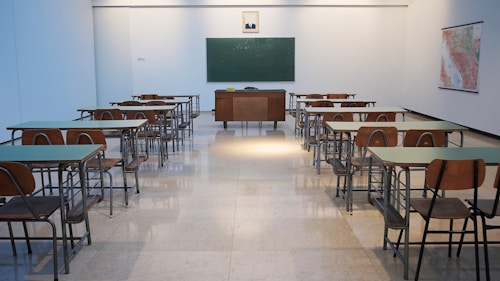
An Eikaiwa (英会話) is a private English conversation school. These establishments cater to a massive demographic, ranging from toddlers and elementary school children to business professionals and retirees looking to keep their minds active. Large chains like AEON, ECC, and Nova have schools near almost every major train station, but there are also hundreds of independent, family-run Eikaiwas.
What the Work Looks Like
At an Eikaiwa, you will usually teach small groups (2 to 4 students) or conduct one-on-one sessions. The classes are highly structured. Most Eikaiwas provide a set curriculum, lesson plans, textbooks, and interactive flashcards. This means your prep time is minimal; you simply show up, follow the teacher's manual, and engage enthusiastically with your students.
The Recruitment Process
Getting hired at an Eikaiwa involves a formal application, an interview, and a short demo lesson. During the demo lesson, recruiters want to see your energy, clarity of speech, and ability to encourage a shy student.
Pros and Cons of Eikaiwas
- Pros: Highly stable income, fixed schedules, no need to plan lessons from scratch, comfortable indoor working environments, and a great way to build formal teaching experience.
- Cons: Less schedule flexibility (you must commit to fixed shifts, often on weekends or weekday evenings), strict dress codes, and sometimes rigorous training sessions.
3. Option B: Private Tutoring & Matching Apps
If you value complete control over your schedule, private tutoring is the path for you. Instead of working for a school, you act as an independent freelancer, matching directly with students who want personalized lessons.
How It Works
Most private tutors find clients through online matching platforms like Hello-Sensei, Flamingo, or MyTeacher. You create an online profile detailing your background, hobbies, teaching style, and availability. Students browse these profiles and contact you directly to book a lesson.
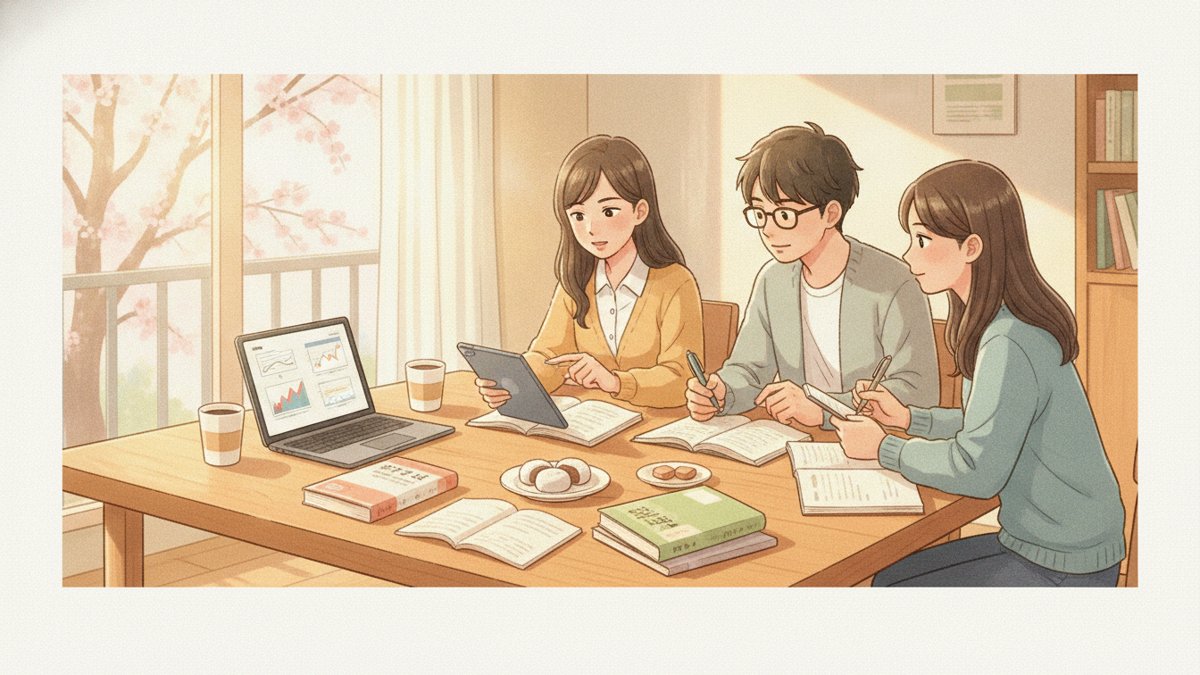
Lessons are usually held in casual environments, such as local coffee shops (e.g., Starbucks or Tully's), public libraries, or online via Zoom.
Setting Your Own Rates
With private tutoring, you set your own hourly rate. Most student tutors start around 2,000 yen per hour and gradually increase it to 3,000 yen or more as they gain positive reviews and regular clients. An added benefit is that students are traditionally expected to pay for your coffee or tea if you meet at a cafe, and cover your local train fare.
Pros and Cons of Private Tutoring
- Pros: Ultimate flexibility (you choose when and where to work), ability to customize lessons to your student’s unique interests (like discussing movies or business topics), and direct cash-in-hand payments.
- Cons: Income can be unstable, you must design your own lessons, traveling between cafes can be time-consuming, and you have to handle student cancellations yourself.
4. Head-to-Head Comparison
To help you decide which path aligns with your academic schedule and personality, let's compare Eikaiwas and Private Tutoring directly.
Table 1: Side-by-Side Comparison
| Feature | Eikaiwa (Conversation School) | Private Tutoring (Apps/Direct) |
|---|---|---|
| Typical Hourly Wage | 2,000 – 2,500 JPY | 2,000 – 3,500 JPY (Set by you) |
| Schedule Control | Fixed weekly shifts (Low flexibility) | Fully flexible (High flexibility) |
| Lesson Materials | Provided by the school | Prepared by you |
| Work Location | Professional school branch | Cafes, online, or student's home |
| Income Stability | High (Consistent hours and pay) | Variable (Depends on client retention) |
| Commutation Fee | Fully covered by the employer | Paid by the student (usually) |
| Dress Code | Formal / Business Casual | Casual / Smart Casual |
5. Job Hunting: Where to Apply
Finding a job in Japan is highly digitalized. Below is a curated list of the best platforms to kickstart your English teaching journey.
Table 2: Recommended Platforms for Finding English Teaching Gigs
| Platform Name | Type | Best For | Website / App Detail |
|---|---|---|---|
| GaijinPot Jobs | Job Board | Finding major Eikaiwa chains & part-time school gigs | gaijinpot.com |
| YOLO Japan | Job Board | Entry-level part-time jobs for international students | yolo-japan.com |
| Hello-Sensei | Matching App | Connecting directly with local private students | hello-sensei.com |
| Flamingo | Mobile App | App-based matching for casual cafe lessons | app-flamingo.com |
| Craigslist Tokyo | Job Board | Local, independent schools and quick tutoring gigs | tokyo.craigslist.org |
Tips for Creating a Winning Profile or Resume
- Use a Professional Photo: In Japan, first impressions are vital. Upload a clear, smiling photo of yourself wearing professional attire against a plain background.
- Highlight Intercultural Experience: If you have traveled, learned a second language, or volunteered, mention it! It shows you empathize with the challenges of language learning.
- Specify Your Target Audience: Clearly state if you prefer teaching children, business professionals, or university students.
6. The Professionalism Playbook: Cultural Nuances
To succeed as an English teacher in Japan, technical language skills are only half of the equation. Japanese culture places an immense emphasis on mutual respect, politeness, and structured professionalism. Adhering to these cultural standards will guarantee glowing reviews, regular students, and job security.
1. The Golden Rule of Punctuality
In Japan, being "on time" actually means arriving 5 to 10 minutes before your scheduled start time. If your class starts at 3:00 PM, you should be fully prepared, logged in (if online), or sitting at the cafe table by 2:50 PM.
* Emergency Tip: If you are running even 2 minutes late due to train delays, send a polite message to your school or student immediately. Always secure a "Train Delay Certificate" (Densha Chien Shoumeisho) from the station staff as proof.
2. Dress to Impress
For Eikaiwas, the standard dress code is formal. Men are typically expected to wear a suit or dress trousers with a collared shirt. Women should wear professional blouses, slacks, or knee-length skirts. Tattoos and facial piercings are still largely taboo in professional Japanese environments; make sure to cover tattoos with long sleeves and remove facial jewelry before entering the school.
* For private cafe tutoring, you can dress in "smart casual" (e.g., neat jeans and a nice sweater), but avoid athletic wear, sweatpants, or overly revealing clothing.
3. Maintain Healthy Boundaries
When private tutoring, always keep your interactions strictly professional. Avoid discussing overly personal topics, politics, or religion. Meet only in public spaces like cafes, and never invite students to your apartment or go to theirs unless it is a formal, pre-arranged home-tutoring agreement through a verified agency.
Final Thoughts: A Rewarding Experience Awaits!
Teaching English part-time is more than just a great way to fund your studies in Japan. It is an open door to meaningful cultural exchange. Through your lessons, you will help Japanese people achieve their dreams—whether that is passing an international university exam, landing a promotion at work, or feeling confident enough to travel the world.
By balancing the structured stability of an Eikaiwa with the free-flowing independence of private tutoring, you can craft the perfect work-study balance. Keep your presentation professional, show up with a warm smile, and enjoy the wonderful journey of teaching in Japan!
함께 보면 좋은 유학 가이드
이 페이지가 도움이 되었나요?
피드백은 콘텐츠 개선에 활용합니다