Where to Live in Tokyo: Best Neighborhoods for International Students
Compare the best places to live in Tokyo for international students. Find top neighborhoods based on rent, safety, lifestyle, and transit ease.
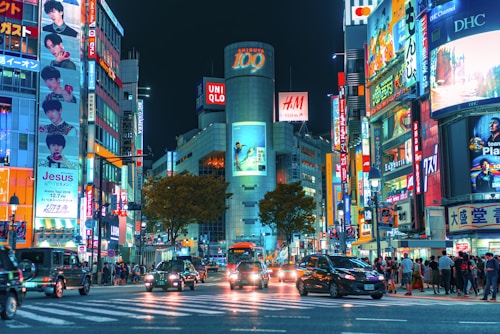
Student Guide to Tokyo Neighborhoods: Finding Your Perfect Home in the World’s Greatest Metropolis
Moving to Tokyo as an international student is an exhilarating milestone. You are about to enter a world where ancient traditions meet futuristic technology, where the food is world-class at every price point, and where the train system is a marvel of human engineering. However, before you can start enjoying the neon lights of Akihabara or the serenity of Meiji Jingu, you face one of the most daunting challenges for any newcomer: deciding where to live.
Tokyo is not just a city; it is a sprawling prefecture made up of 23 special wards, dozens of cities, and hundreds of unique neighborhoods, each with its own "personality." For a student, the choice of neighborhood determines not just your commute time, but your monthly budget, your social life, and your overall experience in Japan. This guide provides an in-depth look at the most popular hubs and helps you navigate the complexities of the Tokyo rental market.
1. Understanding the Core Hubs: Where Most Students Converge
When you first look at a Tokyo railway map, it looks like a colorful bowl of spaghetti. However, most student life revolves around the JR Yamanote Line (the green loop that circles central Tokyo) and the major terminal stations. Among these, four neighborhoods stand out as the most popular choices for international students due to their balance of convenience, entertainment, and employment opportunities.
Shinjuku: The Pulsing Heart of Tokyo
Shinjuku is often the first place students consider. It is home to the world’s busiest railway station and serves as a major commercial and administrative hub. Living here means you are never more than a few minutes away from anything you could possibly need.
* Atmosphere: Intense, fast-paced, and incredibly diverse. From the towering skyscrapers of Nishi-Shinjuku to the narrow alleys of Golden Gai, it offers every facet of Tokyo life.
* Best for: Students who want to be in the middle of the action and those looking for abundant part-time work in hospitality or retail.
Shibuya: The Epicenter of Youth Culture
If Shinjuku is the heart of business, Shibuya is the heart of culture. It is the birthplace of many Japanese fashion and music trends. For an international student, Shibuya offers an unparalleled social scene.
* Atmosphere: Vibrant, trendy, and loud. It is the playground for Tokyo’s youth.
* Best for: Students attending language schools or universities nearby (like Aoyama Gakuin or United Nations University) who prioritize social networking and nightlife.
Ikebukuro: The Practical North-Side Hub
Ikebukuro is often unfairly overlooked in favor of Shibuya or Shinjuku, but it is a powerhouse in its own right. It serves as the gateway to Saitama and Northern Tokyo, making it slightly more affordable while remaining incredibly convenient.
* Atmosphere: A mix of "Otaku" culture (centered around Sunshine City) and a gritty, down-to-earth urban vibe. It is more family-friendly in parts than Shinjuku.
* Best for: Students on a slightly tighter budget who still want a major terminal station at their doorstep.
Kichijoji: The "Most Desirable" Neighborhood
Consistently voted by Tokyoites as the #1 place they want to live, Kichijoji offers a break from the concrete jungle without sacrificing urban convenience. Located on the Chuo Line, it is just a short hop from Shinjuku.
* Atmosphere: Artistic, bohemian, and green. With Inokashira Park nearby and a plethora of independent cafes and "Zakka" (sundries) shops, it feels like a cozy village within the city.
* Best for: Students who prefer a relaxed lifestyle, nature lovers, and those who enjoy a "local" community feel.
2. Head-to-Head Comparison: Finding Your Fit
To help you decide, let’s look at how these four heavyweights stack up against each other across the metrics that matter most to students.
Neighborhood Comparison Table
| Feature | Shinjuku | Shibuya | Ikebukuro | Kichijoji |
|---|---|---|---|---|
| Average Rent (1K) | ¥95,000 - ¥120,000 | ¥110,000 - ¥140,000 | ¥80,000 - ¥100,000 | ¥75,000 - ¥95,000 |
| Atmosphere | High-energy, Business | Fashionable, Youthful | Diverse, Anime-centric | Trendy, Natural, Cozy |
| Commute Ease | Unbeatable (Global Hub) | Excellent (South/West) | Excellent (North/East) | Great (Direct to Shinjuku) |
| Part-time Jobs | Infinite (All sectors) | Very High (Retail/Cafe) | High (Service/Sales) | Moderate (Local Shops) |
| English Friendly | Very High | Very High | Moderate | Moderate |
Social and Lifestyle Comparison
While rent is important, the "vibe" of a neighborhood dictates your daily happiness. Here is how they compare in terms of lifestyle amenities.
| Neighborhood | Main Attraction | Groceries/Shopping | Green Spaces |
|---|---|---|---|
| Shinjuku | Gyoen National Garden | High-end Dept. Stores | Shinjuku Gyoen |
| Shibuya | Scramble Crossing | Designer Boutiques | Yoyogi Park (nearby) |
| Ikebukuro | Sunshine City | Discount Chains (Donki) | Minami-Ikebukuro Park |
| Kichijoji | Ghibli Museum (nearby) | Sun Road Shotengai | Inokashira Park |
3. Hidden Gems: The "Student Towns" You Might Have Missed
While the big four are famous, many seasoned international students prefer smaller, specialized neighborhoods that cater specifically to the student demographic. These areas often offer lower prices and a more specialized community.
Takadanobaba: The Ultimate Student District
Located between Shinjuku and Ikebukuro, "Baba" (as locals call it) is the home of Waseda University and numerous language schools.
* Why choose it? The area is packed with "Ramen" shops and cheap "Izakayas" that cater specifically to student budgets. The atmosphere is perpetually youthful and energetic.
* Cost Factor: Rent is generally lower than Shinjuku, and the concentration of students makes it easy to find study buddies and friends.
Koenji and Nakano: The Subculture Paradises
Just a few stops west of Shinjuku on the Chuo Line, these neighborhoods are famous for their retro charm.
* Nakano is famous for Broadway, a haven for collectors of vintage toys and manga.
* Koenji is the capital of second-hand clothing and live music houses.
* Why choose it? These areas offer a "true Tokyo" experience away from the tourist crowds. They are affordable, incredibly safe, and have a strong sense of neighborhood identity.
Shimokitazawa: The Creative Hub
Located in Setagaya Ward, Shimokitazawa (or "Shimokita") is the go-to spot for the artsy crowd.
* Why choose it? If you enjoy indie theater, vintage fashion, and specialty coffee, this is your place. It has undergone recent renovations that have made it even more accessible while keeping its labyrinthine, bohemian charm.
4. Navigating the Rental Process: Essential Tips for Students
Finding a room in Tokyo is different from many other countries. As an international student, you need to be prepared for the "Initial Costs" (Shoki-hiyo), which can often equal 4 to 6 months of rent upfront.
Understanding Initial Costs
- Shikikin (Deposit): Usually 1-2 months' rent, used for repairs when you move out.
- Reikin (Key Money): A "gift" to the landlord. It is non-refundable. (Look for "Zero Reikin" apartments to save money!)
- Chukai-tesuryo (Agency Fee): Usually 1 month’s rent paid to the real estate agent.
- Guarantor Fee: Most landlords require a Japanese guarantor. If you don't have one, you will have to pay a company to act as one for you.
Housing Types for Students
- Share Houses: These are the most popular choice for new international students. You get a private bedroom but share the kitchen, bathroom, and living room. They are cheaper, often come fully furnished, and include utilities in the rent. Companies like Oakhouse or Sakura House specialize in this.
- Apartments (1K/1DK): A "1K" means one room plus a separate kitchen area. This offers the most privacy but requires you to buy your own furniture and appliances (fridge, washing machine, bed).
- Social Residences: A hybrid between a share house and a luxury apartment. They often feature gyms, cinema rooms, and large coworking spaces, making them ideal for students who want to socialize.
A Pro-Tip on Location
Don't just look at the station name. Look at the train line. Living 15 minutes away from a major hub on a "Local" line can save you ¥20,000 a month in rent compared to living right at the hub. For example, living at Nerima instead of Ikebukuro or Sasazuka instead of Shinjuku can drastically lower your costs while adding only 5-10 minutes to your commute.
5. Conclusion: Making Your Choice
Tokyo is a city that rewards exploration. While Shinjuku and Shibuya offer the quintessential "Tokyo experience" with their neon lights and endless energy, neighborhoods like Kichijoji or Takadanobaba provide a more sustainable, community-focused lifestyle that many students find more rewarding in the long run.
Before you sign a lease, consider these three questions:
1. Where is my school? A 45-minute commute in Tokyo's rush hour is exhausting. Try to keep your commute under 30 minutes if possible.
2. What is my realistic budget? Remember to factor in electricity, water, internet, and the dreaded "initial costs."
3. What do I want to do on Saturdays? If you love shopping, Shibuya is great. If you love quiet walks, look near Inokashira or Yoyogi Park.
Choosing your neighborhood is the first step in your Japanese adventure. Whether you choose the high-rise excitement of Shinjuku or the vintage streets of Koenji, Tokyo will soon feel like home. Take your time, visit the neighborhoods during both day and night, and trust your instincts. Welcome to your new life in Tokyo!
Related study abroad guides
Was this page helpful?
Your feedback helps us improve our guides
Related schools


Related guides
 Curated List
Study in the Heart of Tokyo: Best Central Tokyo Language Schools
![[2026] Student Housing in Japan: Dorms, Share Houses & No-Guarantor Options | JP Campus](https://images.unsplash.com/photo-1522708323590-d24dbb6b0267?w=500) Housing
Housing
[2026] Student Housing in Japan: Dorms, Share Houses & No-Guarantor Options | JP Campus
![[2026] Top 5 Tokyo Language Schools for EJU & University Prep](https://images.unsplash.com/photo-1498243691581-b145c3f54a5a?w=1200) Curated List
Curated List
[2026] Top 5 Tokyo Language Schools for EJU & University Prep
Housing