Ashiya Kokusai Gakuin Osaka School
大阪府大阪市天王寺区寺田町1-7-1
🏫 School Overview & Philosophy
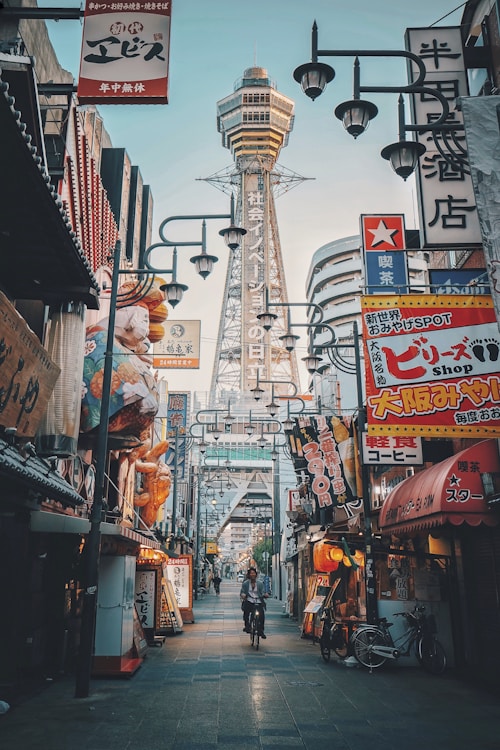
Ashiya Kokusai Gakuin Osaka School (芦屋国際学院大阪校) is a premier institution designed for international students who want to build a solid linguistic foundation while experiencing the authentic, vibrant culture of Japan’s second-largest metropolis. Located at 1-7-1 Teradacho, Tennoji-ku, Osaka-shi, the school sits in a highly desirable cultural and academic pocket of Osaka. Teradacho is a peaceful, retro-styled neighborhood that directly borders Tennoji, a bustling transit, shopping, and historical hub. This unique positioning gives students the best of both worlds: a quiet, focused environment for daily study, and immediate access to the energetic heartbeat of Kansai.
With a certified capacity of 300 students, Ashiya Kokusai Gakuin Osaka School deliberately maintains a mid-sized, close-knit academic community. Unlike massive language factories where students can easily become just another face in the crowd, this school prides itself on individual attention. The educational philosophy here rests on a dual promise: guiding students toward elite higher education through a Comprehensive University Progression Focus while simultaneously prioritizing Practical Conversational Fluency. The school believes that true language mastery requires more than passing written examinations; it demands the confidence to step outside the classroom and engage with the local community. By nurturing both academic rigor and real-world communication skills, the academy shapes well-rounded global citizens ready to succeed in Japanese universities, companies, and daily life.
📚 Courses, Curriculum & Teaching Style
The academic curriculum at Ashiya Kokusai Gakuin Osaka School is highly structured, offering multiple entry points throughout the year to align with different graduation timelines and academic goals. Whether you are aiming for a rapid sprint to university admission or a long-term, comprehensive immersion in the Japanese language, there is a specialized course designed for your trajectory.
Below is the official course schedule, along with the precise tuition and total fee breakdowns:
| Course Name (English) | Course Name (Japanese) | Admission Month | Duration | Total Fees (JPY) |
|---|---|---|---|---|
| Academic Progression 1.3-Year Course | 進学1.3年コース | January | 1 Year, 3 Months | ¥873,000 |
| Academic Progression 1.5-Year Course | 進学1.5年コース | October | 1 Year, 6 Months | ¥1,027,000 |
| Academic Progression 1.75-Year Course | 進学1年9ヵ月コース | July | 1 Year, 9 Months | ¥1,180,000 |
| Academic Progression 2-Year Course | 進学2年コース | April | 2 Years | ¥1,334,000 |
| General 2-Year Course | 一般2年コース | January | 2 Years | ¥1,334,000 |
🎓 Curriculum & Teaching Style Highlights
- Specialized EJU Preparation: For students enrolled in the Academic Progression tracks, the school offers targeted lessons for the Examination for Japanese University Admission for International Students (EJU). This includes comprehensive coverage of academic Japanese, as well as optional elective support for subjects like Mathematics, Science, and Japan & the World.
- Interactive Conversation Methodologies: Rather than relying solely on dry textbook translation, teachers implement active learning strategies, role-playing, and regular debates to encourage students to speak. This ensures you develop the natural rhythm and standard pronunciation of Japanese, alongside useful local Kansai expressions.
- Rigorous JLPT Preparation: Systematic drills and mock exams are integrated directly into daily lessons to prepare students for N3, N2, and N1 levels of the Japanese Language Proficiency Test.
👥 Student Body & Campus Life
Campus life at Ashiya Kokusai Gakuin Osaka School is defined by warmth, accessibility, and cultural exchange. With a 300-student capacity, the student body forms a friendly, cross-cultural community where students from various Asian, European, and Western countries study side-by-side. (Please note: precise, up-to-the-minute nationality ratios are not publicly detailed, so students are encouraged to contact the school office for current semester demographics).
One of the standout benefits of choosing this school is the Guaranteed Dormitory Options. Finding an apartment in Japan can be incredibly stressful for international students due to guarantor requirements, high upfront costs (key money), and language barriers. Ashiya Kokusai Gakuin eliminates this worry by offering secure, school-managed housing options. These dormitories are located within easy walking or cycling distance of the Teradacho campus, providing a safe, affordable, and comfortable home base where you can cook, study, and bond with classmates.
Outside of class, the surrounding neighborhood of Tennoji offers an incredible backdrop for student life. You are just minutes away from Shitennoji Temple, one of Japan’s oldest Buddhist temples, where regular flea markets and cultural festivals take place. If you enjoy modern amenities, the towering Abeno Harukas skyscraper and its massive shopping plazas are virtually on your doorstep. Osaka is world-famous for its welcoming, outgoing residents, meaning you will have countless opportunities to practice your practical conversation skills at local ramen shops, supermarkets, and public parks like Tenshiba.
🎓 University & Career Pathways
Transitioning from a language school to a higher education institution in Japan can be a daunting process. Ashiya Kokusai Gakuin Osaka School demystifies this journey with its robust Comprehensive University Progression Focus. The school’s dedicated career guidance department provides personalized, one-on-one counseling from your very first term.
Your path to higher education is supported by several key initiatives:
1. Personal Statement & Essay Writing Workshops: Crafting a compelling "Statement of Purpose" (志望理由書) is a critical component of Japanese university admissions. Faculty members work individually with students to refine their written Japanese, ensuring their unique voices and ambitions shine through to admissions committees.
2. Intensive Interview Simulations: Japanese universities and vocational colleges place immense weight on the personal interview. Teachers run mock interviews to help you master formal Japanese (Keigo), proper posture, and the specific etiquette required to make a stellar impression on interviewers.
3. University Fairs & Recommendation Networks: The school regularly shares information on university open houses, application deadlines, and exclusive recommendation slots (指定校推薦) for partner vocational schools and private universities in the Kansai region.
Whether your dream is to enter a prestigious national university like Osaka University, a renowned private university like Kansai University or Ritsumeikan University, or a specialized technical school for design, anime, culinary arts, or IT, the school provides the step-by-step roadmap to make it happen.
💡 Practical Tips for Applicants
To make your transition to Ashiya Kokusai Gakuin Osaka School as smooth as possible, keep these practical, expert tips in mind:
- Align Your Enrollment with Your Goals: If your primary target is a four-year Japanese university, enrolling in the April (2-Year) or October (1.5-Year) course is highly recommended. These schedules align perfectly with the Japanese academic year, which begins in April, giving you maximum time to sit for the EJU and complete university entrance exams.
- Budget Wisely for Osaka Living: While Osaka is a world-class city, its cost of living is significantly lower than Tokyo’s. Renting in the Teradacho/Tennoji area is affordable, and shopping at local discount supermarkets (like Gyomu Super or Tamade) can help you keep your monthly food budget under ¥30,000 to ¥40,000.
- Leverage the JR Loop Line: Teradacho Station is on the JR Osaka Loop Line (Kanjosen). This is incredibly convenient, giving you cheap and direct train access to major hubs like Umeda, Shinsaibashi, and Namba, as well as easy transfers to Kyoto, Nara, and Kobe. Investing in a student bicycle is also a fantastic, budget-friendly way to navigate the flat, bike-friendly streets of Tennoji-ku.
- Secure Your Housing Early: Although the school guarantees dormitory options, room styles and locations are allocated on a first-come, first-served basis. Confirm your dormitory preferences as soon as your Certificate of Eligibility (COE) is approved to secure your preferred setup.
- Prepare Academic Transcripts in Advance: When applying for the progression courses, have your high school or university graduation certificates and official transcripts notarized and translated into Japanese early, as immigration authorities are strict about academic documentation.
Related study abroad guides
Was this page helpful?
Your feedback helps us improve our guides