IGL College of Medical and Welfare Japanese Language Department
広島県広島市安佐南区伴東1-12-18
School Overview & Philosophy
The IGL College of Medical and Welfare Japanese Language Department is a respected language institution situated in Asaminami Ward, Hiroshima City. Its location offers a quieter, more residential setting compared to the city center, creating a focused study environment. The area features residential neighborhoods, local shops, and green spaces, allowing students to experience daily life in Hiroshima.
As part of a vocational college specializing in healthcare and welfare, the Japanese Language Department benefits from shared resources and a dedication to practical education. The department's history is rooted in providing thorough language education to international students who want to pursue higher education and professional careers in Japan. This integrated environment encourages interaction between Japanese and international students, fostering cultural exchange and a deeper understanding of Japanese society.
The school's educational philosophy centers on equipping students with the language and academic skills needed to succeed in their chosen fields within the Japanese education system. It emphasizes language proficiency, cultural competency, critical thinking, and strong study habits. The curriculum is designed to be rigorous yet supportive, catering to diverse learning styles and individual goals. The faculty and staff are committed to creating a nurturing learning environment where students can excel academically and personally.
IGL's focus goes beyond exam preparation, aiming to cultivate well-rounded individuals who can contribute to their fields. This is reflected in specialized tracks like Science, Fine Arts, and Design, tailored to prepare students for university entrance exams and academic studies in these areas. The school recognizes the importance of practical communication and integrates conversation practice and Business Japanese courses to prepare students for future careers in Japan.
Courses, Curriculum & Teaching Style
| Course Name | Duration | Target Level | Key Features |
|---|---|---|---|
| University Preparatory 2-Year Course | 2 Years | Beginner to Upper-Intermediate | Comprehensive Japanese language training, EJU preparation, specialized tracks (Science, Art, Design), cultural exchange activities, university guidance. |
| University Preparatory 1.5-Year Course | 1.5 Years | Beginner to Upper-Intermediate | Accelerated Japanese language training, intensive EJU preparation, specialized tracks (Science, Art, Design), cultural exchange activities, university guidance. |
| Short-Term Course | Varies | Beginner to Advanced | Flexible duration, intensive Japanese language study, cultural experiences, tailored to individual needs. |
University Preparatory 2-Year Course:
This comprehensive course is designed for students with little to no prior Japanese knowledge. The curriculum covers all aspects of the language, including grammar, vocabulary, reading, writing, listening, and speaking. A significant portion prepares students for the Examination for Japanese University Admission (EJU), with classes for Japanese as a Foreign Language, Mathematics, Science, and Japan and the World. The teaching style emphasizes active learning through classroom instruction, group work, and individual assignments. Students participate in cultural exchange activities and field trips to enhance their understanding of Japanese culture and society. Specialized tracks for Science, Art, and Design are available, providing focused instruction for university entrance exams and academic studies.
University Preparatory 1.5-Year Course:
This accelerated course is for students with some prior Japanese knowledge or who are highly motivated to learn quickly. The curriculum covers the same material as the 2-Year Course but at a faster pace, with intensive EJU preparation, exam-taking strategies, and time management. The teaching style is more demanding, requiring self-motivation and independent learning. Specialized tracks in Science, Art, and Design are available and are particularly beneficial for students with clearly defined academic goals.
Short-Term Course:
This flexible course is for students who want to study Japanese for a shorter period, from a few weeks to a few months. The curriculum is tailored to individual needs and goals, with options to focus on conversation, grammar, or reading comprehension. The teaching style is highly interactive, with a focus on practical communication skills. Students can participate in cultural activities and excursions. The short-term course is ideal for experiencing Japanese language and culture firsthand before committing to a longer program, or for improving Japanese skills for travel or business.
Student Body & Campus Life
According to the provided data, the school currently has a relatively small international student population but aims to increase its diversity by attracting students from more countries. The school's location in Hiroshima offers a unique opportunity to experience a more authentic side of Japanese culture. Students will likely find themselves immersed in a friendly, supportive community.
The campus facilities are designed to provide a comfortable learning environment. Classrooms are equipped with modern technology, and there are dedicated study spaces for individual or group work. The school also has a library with a range of Japanese language learning materials. Being part of a larger vocational college provides international students with access to resources such as the cafeteria and other general facilities. The school emphasizes intercultural exchange and offers activities that encourage interaction between international and Japanese students.
Extracurricular activities play a vital role in student life at IGL. The school organizes cultural events such as calligraphy workshops, tea ceremonies, and visits to local historical sites. Students can participate in sports clubs and other recreational activities. These activities are a fun way to learn about Japanese culture and help students build friendships and a sense of community. The school encourages students to participate in volunteer activities in the local community, providing opportunities to give back and make a positive impact.
University & Career Pathways
IGL College of Medical and Welfare Professional School is dedicated to supporting students in their pursuit of higher education. Although specific university admission records are not directly available, the school maintains strong relationships with numerous universities and vocational colleges throughout Japan. The curriculum aligns with the requirements of university entrance examinations, including the EJU.
| University Name | Faculty/Department | Year of Admission |
|---|---|---|
| Data not available | Data not available | Data not available |
| Data not available | Data not available | Data not available |
The school provides guidance and counseling throughout the university application process, including assistance with selecting universities and programs, preparing application materials, and practicing for interviews. The faculty and staff have experience in guiding international students through the Japanese higher education system. Mock interviews are conducted to prepare students for the actual interview process.
In addition to university preparation, IGL also supports students interested in pursuing careers in Japan. The school offers Business Japanese courses to help students develop the language skills needed for the Japanese workplace. The faculty and staff provide career counseling and guidance, helping students identify their career goals and develop a plan. Networking opportunities are also provided, connecting students with potential employers. The school organizes workshops on resume writing and job interview skills. The Hiroshima location provides opportunities to learn about local businesses and industries.
Accommodation & Living Support
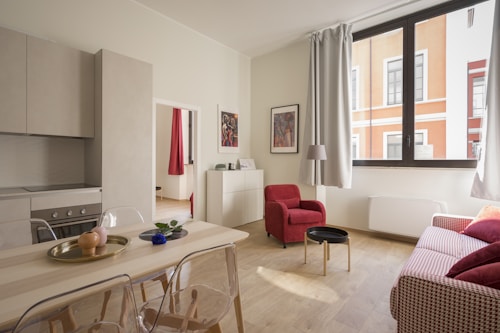
IGL College of Medical and Welfare Professional School offers dormitory accommodations for international students, located within walking or biking distance of the school for easy access to classes and campus facilities. Dormitory rooms are typically furnished with basic amenities such as a bed, desk, chair, and closet.
The cost of dormitory accommodations varies depending on the room type and facilities, but it is generally more affordable than renting an apartment independently. The school assists students with the initial setup of their living arrangements, including obtaining necessary documents and navigating the rental process. In addition to dormitory accommodations, the school also provides information about other housing options, such as apartments and guesthouses.
Upon arrival in Japan, the school provides orientation programs to help students adjust to their new surroundings. These programs cover Japanese culture, customs, and etiquette, as well as practical information about living in Japan, such as transportation, banking, and healthcare. The school provides ongoing support to students throughout their studies, helping them overcome any challenges. The faculty and staff are available to answer questions, provide guidance, and offer encouragement. The school also has a network of alumni who are willing to provide support and advice to current students.
Tuition, Fees & Scholarships
Here's an estimated breakdown of first-year costs for the University Preparatory 2-Year Course. Please note that these are estimates and subject to change. Always refer to the official school website for the most accurate and up-to-date information.
| Item | Estimated Cost (JPY) |
|---|---|
| Tuition Fee | Included in Total Fees |
| Admission Fee | Included in Total Fees |
| Facility Fee | Included in Total Fees |
| Textbooks & Materials | Approximately ¥50,000 - ¥80,000 |
| Accommodation (Dormitory, 1 Year) | Approximately ¥300,000 - ¥500,000 (depending on the room) |
| Living Expenses (Food, Transportation, etc.) | Approximately ¥600,000 - ¥800,000 |
| Total (Estimated) | ¥1,399,000 - ¥1,929,000 (including tuition from course fees table) |
The school offers a limited number of internal scholarships to outstanding students, awarded based on academic performance and financial need. Information about internal scholarships can be obtained from the school's admissions office.
In addition to internal scholarships, there are external scholarships available to international students in Japan, offered by various organizations, including the Japanese government, private foundations, and international organizations. Some examples include:
- Japanese Government (MEXT) Scholarship: A highly competitive scholarship offered by the Japanese Ministry of Education, Culture, Sports, Science and Technology.
- JASSO Scholarship: A scholarship offered by the Japan Student Services Organization.
- Rotary Yoneyama Memorial Foundation Scholarship: A scholarship offered by the Rotary Club of Japan.
The school assists students in applying for external scholarships, providing information, helping with application materials, and offering advice on writing a compelling personal statement. The school encourages students to apply for as many scholarships as possible to help finance their studies.
Related study abroad guides
Was this page helpful?
Your feedback helps us improve our guides