Ishikawa Gakuen Yokohama Design College (Japanese Language Department)
神奈川県横浜市西区中央1-33-6
School Overview & Philosophy
Ishikawa Gakuen Yokohama Design College (YDC) is a specialized institution for international students seeking higher education in Japan, particularly those aiming for Japanese universities or vocational schools focusing on Art, Design, Science, or Business. Located in Yokohama City, Kanagawa Prefecture, the school benefits from its proximity to both Tokyo's academic centers and Yokohama's cultural and international environment.
Unlike typical Japanese language schools, YDC is a Gakko Hojin (School Juridical Person) where the language department serves as a preparatory division for students requiring high-level Japanese proficiency and specialized entrance exam training. The school focuses on developing both linguistic mastery and specialized vocational or academic skills. Its goal is to help students pass the JLPT or EJU and ensure they possess the nuanced language abilities and foundational subject knowledge needed to succeed in a competitive Japanese university environment, whether in science, business, or fine arts.
With a capacity of 240 students, YDC offers focused, individualized attention, fostering a close-knit learning community where instructors monitor each student's progress. This specialization makes YDC ideal for students with a clear academic pathway requiring more than standard language instruction.
The college's location in Yokohama offers significant advantages. Yokohama is known for its modern architecture, historic ports, and creative community, providing an inspiring environment for design and art students. The ease of transportation, lower cost of living compared to Tokyo, and access to universities in both cities position YDC perfectly for academic preparation. The college integrates language training with exposure to Japanese design principles and cultural aesthetics. Strong practical support, including dormitory arrangements, ensures a smooth transition and allows students to focus on their studies.
The institutional structure of YDC, affiliated with a design college, allows language students to access resources, facilities, and cross-cultural interactions with Japanese design students. This immersion helps students adapt to the etiquette and expectations of higher education in Japan. The curriculum is designed based on experience preparing students for Japanese entrance exams, incorporating reading comprehension, listening, writing, and specialized subject instruction for the EJU. The principle remains: rigorous academic preparation combined with personal support, ensuring students achieve their educational goals in Japan.
Courses, Curriculum & Teaching Style
Yokohama Design College focuses on its Advancement Courses (進学課程), designed for students aiming for Japanese universities, graduate schools, or vocational colleges. These courses are intensive and goal-oriented, incorporating Japanese language proficiency (N5 through N1) and preparation for entrance examinations.
Core Course Structure:
- 2-Year Advancement Course (April Start): For students to build foundational Japanese skills before shifting into high-level EJU and specialized preparation during the second year.
- 1.5-Year Advancement Course (October Start): For students with some existing Japanese knowledge (N4/N3 equivalent) who can accelerate their language learning to meet entrance deadlines.
- 1-Year Advancement Course (April/October Start): For students with high existing proficiency (N3/N2) who primarily need high-intensity EJU subject review, academic Japanese mastery, and application guidance.
Specialized Curriculum Tracks:
YDC offers specialized tracking catering to diverse academic goals:
- Art and Design Track (美術・デザイン): This track provides practical training necessary for admission to art universities.
- Portfolio Development: Guidance on selecting and refining artwork, formatting portfolios, and developing conceptual frameworks.
- Practical Art Classes (Composition, Drawing, Painting): Essential for entrance exams to top art schools.
- Art History and Theory: Instruction in Japanese and international art movements, necessary for essay writing and interview performance.
- Science Track (理科): YDC offers EJU preparation classes focused on Physics, Chemistry, and Mathematics (Course 2).
- Humanities/Business Track (人文・ビジネス): Standard EJU preparation covering Mathematics (Course 1), General Subjects (History, Geography, Politics, Economics), and academic essay writing.
Teaching Methodology: The teaching style is focused on immersion and application. Instructors use a structured curriculum emphasizing practical use of academic Japanese. Classes are often small, facilitating discussion and feedback, particularly in specialized EJU subjects. Mock exams, interview practice, and continuous assessment ensure students are aligned with the demands of the Japanese higher education system.
Student Body & Campus Life
With a capacity of 240 students, Ishikawa Gakuen Japanese Language Department maintains a moderate size, contributing to a focused learning environment. The student body is diverse, attracting serious, goal-oriented students from East Asia, Southeast Asia, and other regions, all aiming to advance to Japanese universities or colleges. The international mix enriches the campus atmosphere, encouraging students to use Japanese as the universal language.
The campus life benefits from integration with Yokohama Design College. Students are taught in modern facilities and may share areas with vocational design students, providing interaction with native Japanese speakers and exposure to a professional academic environment.
Life in Yokohama: Studying in Yokohama offers a high quality of life. The city provides a blend of historical charm and urbanity. For design and art students, the galleries, museums (like the Yokohama Museum of Art), and creative events offer inspiration and networking opportunities. Proximity to Tokyo (less than an hour by train) means students have access to Japan's academic and cultural institutions without the capital's higher living expenses.
Cultural Activities and Support: YDC organizes cultural activities to deepen understanding of Japanese society and traditions. These activities are balanced against study commitments, ensuring they enhance academic advancement. The environment fosters self-discipline and academic focus, appealing to students who prioritize intensive study and structured preparation.
University & Career Pathways
Yokohama Design College has a track record of preparing students for successful advancement, particularly into specialized fields. The school’s curriculum is aligned with the requirements of the EJU and JLPT.
Key Advancement Outcomes:
- EJU Success: High priority is placed on achieving competitive EJU scores. Classes in Mathematics, Science (Physics/Chemistry), and General Subjects are delivered by experienced teachers.
- Art University Placements: YDC has expertise in placing students into art institutions. This involves assistance with application essays (志望理由書 shibou riyuusho), mock interviews, and guidance on portfolio reviews. Students are guided to apply to institutions such as Tsukuba University, Kyoto Seika University, and the design/art departments of private universities like Waseda and Keio.
- General University Placement: For students targeting non-art fields (Law, Economics, Science), the EJU tracks ensure preparation for national and public universities (e.g., Yokohama National University, Tokyo University of Science) and private institutions.
- Internal Progression and Vocational Paths: Students who excel in the language program may explore entry into vocational courses within the Ishikawa Gakuen system, leading to careers in design, manga, illustration, or visual communication in Japan.
Guidance and Support: The counseling system is continuous. Consultations help students select the university track, manage EJU registration, and refine applications. Specialized subject teachers increase the competitive edge of science students. The school focuses on creating a student profile that highlights linguistic ability and subject matter expertise.
Accommodation & Living Support
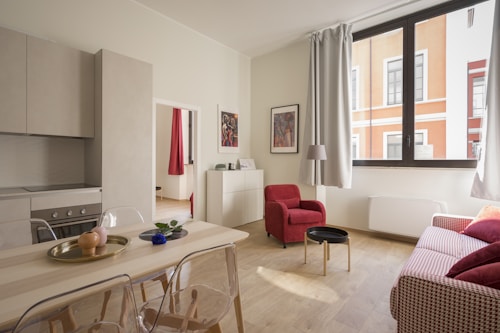
Ishikawa Gakuen emphasizes providing secure accommodation, evidenced by the mention of dormitory facilities (기숙사). For newly arrived students, securing housing is a factor in adaptation, and YDC simplifies this process.
Dormitory Features:
- Managed Accommodation: The school offers dormitories or supervised housing near the campus in Yokohama. This eliminates the stress of navigating the Japanese rental market.
- Convenience and Safety: Dormitories are managed to ensure a safe, study-conducive environment. They offer essential amenities, often including private or shared rooms with furnishings, utility arrangements, and internet access.
- Community Building: Living in the dormitory fosters a community among international students, facilitating friendships, study sessions, and cultural support.
Comprehensive Living Support: Beyond housing, YDC provides settlement support:
- Initial Orientation: Assistance with procedures upon arrival, including registration, health insurance, and opening bank accounts.
- Welfare and Counseling: Staff members are available to assist with daily life issues, emergencies, and academic concerns.
- Part-Time Work Guidance: Staff provide guidance on applying for work permits and advice on employment within legal limits.
Tuition, Fees & Scholarships
Investment in education at Ishikawa Gakuen Yokohama Design College reflects the level of instruction and support provided. The following table details the costs associated with the Advancement Courses. These figures cover tuition, facility fees, administrative fees, and materials. The provided data gives the total fee for the course duration. For comparison, a 1-year breakdown is estimated.
| Course Name | Duration | Admission Month | Total Fees (Input Data) | Estimated 1-Year Cost (For comparison) |
|---|---|---|---|---|
| 進学課程2年コース (Advancement) | 24 Months | April | ¥1,455,000 | ¥727,500 (Annualized) |
| 進学課程1.5年コース (Advancement) | 18 Months | October | ¥1,116,000 | ¥744,000 (Annualized) |
| 進学課程1年コース (Advancement) | 12 Months | April, October | ¥785,000 | ¥785,000 |
Note: The total fees provided for the 2-year and 1.5-year tracks appear competitive compared to other institutions.
Estimated Breakdown of First Year Costs (Based on a typical April start):
| Category | Description | Estimated Amount (JPY) |
|---|---|---|
| Enrollment Fee (入学金) | One-time fee for new students | ¥50,000 - ¥80,000 |
| Tuition Fee (授業料) | Covers instruction for one year | ¥600,000 - ¥650,000 |
| Facility Fee (施設費) | Maintenance and usage of specialized facilities (Art studios, labs) | ¥50,000 - ¥70,000 |
| Other Fees (教材費, 保険料) | Textbooks, EJU materials, insurance | ¥30,000 - ¥50,000 |
| Total First Year Payment | (Estimated based on 1-year course fee) | Approx. ¥750,000 - ¥850,000 |
Specialized Costs: Students in the Art and Design Track should budget for additional costs related to art supplies and portfolio development materials.
Scholarship Opportunities (奨学金): YDC supports high-achieving students through scholarship programs:
- School-Specific Merit Scholarships: Offered to students who demonstrate attendance, academic achievement (high JLPT/EJU scores), and positive behavior. These provide tuition waivers or stipends.
- External Scholarships: The school assists students in applying for scholarships, such as the Monbukagakusho Honors Scholarship for Privately Financed International Students (JASSO). Eligibility often depends on academic excellence within the language program and progression to a higher education institution.
Students are encouraged to maintain attendance (above 95%) and achieve high grades to qualify for financial assistance. The investment in YDC is tailored for success in Japan's academic landscape.
This guide positions Ishikawa Gakuen Yokohama Design College as a choice for motivated students targeting specialized fields, particularly art, design, and science, supported by an EJU curriculum and accommodation in Yokohama.
Related study abroad guides
Was this page helpful?
Your feedback helps us improve our guides