Kokusai Academy Japanese Language Institute
東京都豊島区池袋3-28-1
🏫 School Overview & Philosophy
Choosing the right Japanese language school in Tokyo is one of the most critical decisions you will make on your academic journey. Kokusai Academy Japanese Language Institute (国際アカデミー日本語学院) offers an exceptional balance of highly focused academic preparation and an unbeatable location. Located at 3-28-1 Ikebukuro, Toshima-ku, Tokyo, the school sits in one of the capital's most vibrant, connected, and culturally rich districts.
While Ikebukuro is famous for its towering skyscrapers, bustling shopping centers, and major transit hub, the academy is strategically located just slightly away from the noisy main streets. This ensures a calm, focused, and safe environment perfect for daily study, while still keeping you within a 10-to-15-minute walk of Ikebukuro Station.
With a student capacity of 180, Kokusai Academy intentionally operates as a mid-sized institution. This is a massive advantage for international students. In massive language schools with thousands of students, it is easy to feel like just another face in the crowd. Here, the school’s philosophy centers on personalized, high-touch support. The faculty and staff are able to closely monitor each student's language development, mental well-being, and academic progress, tailoring their guidance to your unique strengths and goals. Whether you are aiming to enter a top-tier Japanese university, master Business Japanese, or transition smoothly into the Japanese workforce, the school's close-knit environment provides the safety net and the springboard you need.
📚 Courses, Curriculum & Teaching Style
The academic programs at Kokusai Academy are specifically designated as "Advanced Studies" courses. This designation means the curriculum is built from the ground up to prepare you for the intellectual and linguistic rigors of Japanese higher education. The teaching style is structured yet interactive, combining intensive drill practice for examinations with real-life communicative activities.
Depending on your academic background and when you plan to enter university or vocational school in Japan, you can choose from four distinct course lengths. Each course is synchronized with the standard Japanese academic calendar (which begins in April):
| Course Name | Admission Month | Duration | Total Fees (JPY) |
|---|---|---|---|
| Advanced Studies 2-Year Course | April | 2 Years | ¥1,323,840 |
| Advanced Studies 1 Year 9-Month Course | July | 1 Year 9 Months | ¥1,171,560 |
| Advanced Studies 1 Year 6-Month Course | October | 1 Year 6 Months | ¥1,014,280 |
| Advanced Studies 1 Year 3-Month Course | January | 1 Year 3 Months | ¥862,000 |
Curriculum Highlights & Teaching Methodologies
- Comprehensive EJU Preparation: The Examination for Japanese University Admission for International Students (EJU) is the gateway to academic success in Japan. The academy's Advanced Studies curriculum incorporates intensive training for the EJU, helping you master not only the Japanese language section but also preparing you for the cognitive demands of the academic subjects.
- JLPT Mastery: Standardized tests like the JLPT (N1 and N2 levels) are deeply integrated into the course structures. Regular mock exams, speed-reading practices, and kanji workshops ensure that you approach test day with complete confidence.
- Practical Business Japanese & Short-term Options: For students who have different long-term objectives, Kokusai Academy offers practical business modules. You will learn the nuances of Japanese corporate culture, honorific language (keigo), phone etiquette, and resume writing. Short-term study options are also available for those wishing to boost their language skills without a multi-year commitment.
👥 Student Body & Campus Life
With a capacity of 180 students, the campus of Kokusai Academy feels like a supportive community. Students from diverse international backgrounds come together, creating a multicultural environment where Japanese becomes the natural common language of communication. (While specific nationality ratios are not publicly detailed in current data releases, the school maintains a diverse and globally-minded student body).
Housing and Student Accommodations
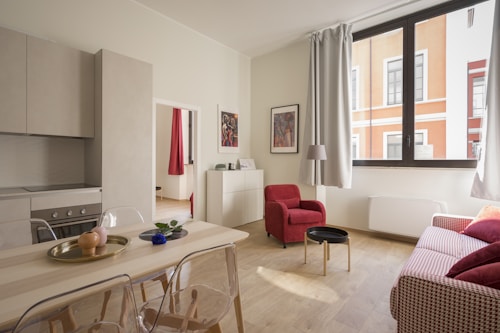
One of the biggest hurdles for international students moving to Tokyo is finding affordable, safe, and accessible housing. Landmark hurdles such as finding a guarantor, paying "key money" (reikin), and dealing with complex rental contracts are bypassed here: Kokusai Academy provides dormitory accommodations. Having a designated school dormitory simplifies your transition to Japan immensely, allowing you to move straight into a furnished room and start focusing on your studies from day one.
Living in Ikebukuro
Living and studying in Ikebukuro offers an unparalleled student lifestyle. As Tokyo’s second-largest transport hub, you have immediate access to eight different train and subway lines (including the JR Yamanote Line, Tokyo Metro Marunouchi, Yurakucho, and Fukutoshin lines).
* Culture and Entertainment: From the massive Sunshine City complex (housing an aquarium, planetarium, and countless shops) to the quiet, historic lanes of nearby Zoshigaya, Ikebukuro is a mix of ultra-modern pop culture and traditional Tokyo charm. It is particularly famous as a welcoming hub for subculture, anime, and art.
* Daily Conveniences: The area around the school is packed with affordable student-friendly restaurants, international grocery stores, library facilities, and public parks.
🎓 University & Career Pathways
Kokusai Academy's primary focus is guiding students toward successful long-term futures in Japan. Because of its specialized academic focus, the school has developed a robust support system for students aiming for higher education.
Higher Education Guidance
- One-on-One Counseling: Academic advisors work individually with you to identify target universities, graduate schools, or professional vocational schools (senmon gakko) that align with your career goals.
- Application and Interview Coaching: The application process for Japanese universities can be daunting, involving complex essays, statement of purpose documents, and rigorous face-to-face interviews. Teachers at Kokusai Academy conduct extensive mock interviews, helping you perfect your speaking style, posture, and vocabulary.
- Graduate School Research Proposals: For advanced students targeting graduate programs, advisors provide specialized support in drafting and refining research proposals (kenkyu keikakusho), which are crucial for securing a professor’s approval.
Business & Employment Paths
For those looking to enter the Japanese job market directly, the combination of advanced language instruction and Business Japanese training provides a strong foundation. You will learn how to navigate the unique Japanese job-hunting system (shukatsu), handle business meetings, and write professional emails, helping you stand out to recruiters.
💡 Practical Tips for Applicants
Navigating the admissions process for a Japanese language school requires careful planning. Here are some insider tips to help you prepare for your application to Kokusai Academy:
-
Align Your Intake with Your Goals:
If you are a complete beginner aiming for a highly selective university, the Advanced Studies 2-Year Course (April Intake) is highly recommended. It gives you the maximum amount of time to master the language and prepare for the EJU. If you already have an intermediate level (N3 or above), the 1 Year 6-Month Course (October Intake) or 1 Year 3-Month Course (January Intake) can save you time and tuition fees. -
Budgeting for Life in Tokyo:
While the school’s tuition fees are highly competitive (ranging from ¥862,000 for the 15-month program to ¥1,323,840 for the full 24-month program), Tokyo is a major metropolis. In addition to tuition, you should budget approximately ¥100,000 to ¥150,000 per month for rent (if choosing the dormitory, costs are typically lower than private apartments), food, utilities, and daily transportation. -
Apply Early for Visa and Housing:
The student visa (Certificate of Eligibility - CoE) process in Japan takes approximately 5 to 6 months of processing time by the Japanese Immigration Services Agency. To secure both your enrollment spot and a place in the school's dormitory, you should submit your application and required documents to Kokusai Academy at least half a year before your target intake month. -
Leverage Your Student Commuter Pass:
As a registered student at a recognized academy, you may be eligible for student discounts on train and subway passes (tsugaku teiki). Be sure to consult with the school office upon arrival to set up your commute between the dormitory and the school campus in the most cost-effective way.
🎯 Who This School Suits & Practical Tips
Kokusai Academy's Ikebukuro location and mid-sized student body make it a good fit for students who want closer faculty attention without feeling lost in a mega-school. If you're comparing schools, weigh class size and location against your own goals — university prep, Business Japanese, or an easier transition into local life. Since the campus is a short walk from Ikebukuro Station, check commute times from your planned housing before applying. As with any school, confirm current tuition, intake dates, and visa support directly with the school before enrolling.
Related study abroad guides
Was this page helpful?
Your feedback helps us improve our guides
Nearby housing




Related guides
 Budget
Save with Japanese Budgeting Apps: Money Forward ME vs Zaim for Students
 Housing
Find Apartments in Japan: Complete SUUMO, Homes, Apaman Shop Guide
Housing
Student Housing in Japan: Dorms vs Share Houses vs Apartments 2026
Budget