Back to List
Language School

International College of Art and Design, Japanese Language Department

福島県郡山市方八町2-4-1

Capacity
200
Students
150
Yearly Tuition
TBD

School Overview & Philosophy

The Japanese Language Department at the International College of Art and Design (国際アート&デザイン大学校日本語科) is a unique institution that distinguishes itself from typical urban Japanese language schools. Situated in Koriyama City, Fukushima Prefecture, the school is directly affiliated with a prominent specialized vocational college (Senmon Gakko) dedicated to creative fields such as animation, manga, game design, visual arts, and general design.

This affiliation is a key characteristic of the school, shifting its primary focus from general Japanese instruction to providing a highly specialized, practical, and assured pathway for international students seeking higher education, especially within the vocational arts sector. The school's philosophy centers on a seamless transition, where students are not merely learning a language in isolation but are immersed in a creative academic atmosphere, preparing them for immediate enrollment into specialized fields, whether at the affiliated college or external universities.

Koriyama offers a focused, supportive, and cost-effective alternative to the crowded markets of Tokyo or Osaka, enabling students to dedicate their attention fully to mastering the Japanese language and preparing for rigorous academic examinations.

While smaller than Japan's major metropolises, Koriyama City is a significant economic and cultural hub in the Tohoku region, providing a balance of urban conveniences and a tranquil environment conducive to concentrated study. The school leverages its regional positioning to foster strong community ties and a highly structured support system, including mandatory dormitory living, which is crucial for ensuring the safety, stability, and academic focus of newly arrived international students.

The smaller capacity of approximately 200 students ensures that each student receives individualized attention and personalized guidance, a cornerstone of the institution's commitment to quality education. The overarching goal is not just to raise Japanese proficiency but to cultivate well-rounded students capable of navigating the professional and academic landscape of Japan with confidence and specialized linguistic competence tailored to creative and technical industries. This dedication to specific career pathways distinguishes it as a specialized preparation center rather than a general language institution.

Furthermore, the school operates under the premise that linguistic ability must be directly applicable to the student’s future career aspirations. Therefore, the curriculum is meticulously designed to bridge the gap between general communicative Japanese and the specific demands of academic writing, technical terminology (especially relevant for students pursuing Art, Design, STEM, or Business tracks), and formal professional interaction.

By situating the Japanese department within an active vocational campus, students gain early exposure to the rhythm, expectations, and culture of a Japanese academic environment. This integration facilitates earlier networking opportunities with Japanese students and faculty in their desired fields, providing an invaluable head start that is often unavailable in independent language institutions. The focus is squarely on achieving N1 or N2 proficiency alongside mastery of the specialized vocabulary required for EJU success and vocational course completion, emphasizing both high-level conversation (会話) and formalized business communication (ビジネス).

This specialized context ensures that the school is particularly attractive to students who have a clear future goal in mind, especially those who aspire to enter specialized vocational colleges or universities focusing on the creative arts, technology, or technical subjects (covering both 美術/デザイン/アート and 理科/STEM). The institution serves as an incubator for international talent, providing the specific linguistic tools and cultural adaptation strategies necessary to thrive in Japan's competitive higher education landscape. The holistic support system, encompassing accommodation, academic counseling, and career guidance, reflects a deep commitment to the successful matriculation and subsequent professional achievements of its diverse international student body. This comprehensive approach is foundational to the school's philosophy: transforming dedicated language learners into successful Japanese college students and future professionals.

Courses, Curriculum & Teaching Style

The curriculum at the Japanese Language Department of the International College of Art and Design is primarily structured around two main pathways: the Advanced Academic Progression track (進学) and the specialized Art/Design integration track. The school offers two main enrollment periods:

  • A comprehensive two-year course commencing in April (進学2年コース)
  • An intensive 1.5-year course starting in October (進学1.5年コース)

These courses cater to varying levels of prior preparation and desired timeframes. Regardless of the duration, the core mission remains EJU (Examination for Japanese University Admission) preparation and ensuring students achieve the requisite N1 or high N2 level of the JLPT (Japanese Language Proficiency Test).

Classes are segmented based on proficiency, moving systematically from foundational grammar and communication skills to advanced reading comprehension, essay writing (especially critical for EJU), and formalized presentation skills. What sets this curriculum apart is the dedicated incorporation of specialized terminology classes that address the diverse needs of the student body.

Recognizing the dual requirement for both Art/Design pathways and broader university placement (including Humanities and STEM—イカ), the school integrates targeted instruction for EJU subject components, such as Mathematics, Japan and the World, and Science, often collaborating with external or affiliated instructors to ensure high-quality, exam-specific preparation. This dual focus ensures that students planning to major in engineering or biological sciences receive adequate academic support alongside those focused on creative arts.

Teaching methodology emphasizes practical application and interactive learning. While foundational classes focus on structured drilling and grammar mastery, higher-level classes incorporate significant amounts of discussion (会話), debate, and role-playing, particularly focusing on business etiquette and formal Japanese (敬語). For the Art and Design aspirants, specialized cultural and technical Japanese classes may include reviewing art history terminology, discussing design principles, and analyzing professional portfolios using appropriate Japanese vocabulary.

Teachers utilize real-world materials, including Japanese university entrance exams, vocational college application requirements, and relevant industry publications, to make the learning process directly relevant to the students’ post-graduation goals. The integration of technology and visual aids is also critical, particularly given the school's creative focus.

Furthermore, academic guidance is a continuous process integrated into the teaching schedule. Teachers function as academic advisors, monitoring student progress in preparation for the EJU and internal assessments. They assist students in selecting appropriate universities or vocational programs, tailoring their final-year curriculum choices (e.g., intensive N1 prep or advanced EJU subject review) based on individual progression targets.

The curriculum is flexible enough to allow for specialization in the latter stages, ensuring that whether a student aims for a national university in Tohoku, a private university in Kanto, or direct entry into the affiliated Art & Design college, they are equipped with the precise linguistic and academic tools required for success. This dedication to individualized, outcome-driven teaching defines the pedagogical approach.

Student Body & Campus Life

The International College of Art and Design attracts a diverse but highly motivated student body, largely comprising individuals with defined aspirations in specialized fields, especially the creative arts, engineering, and business. While specific demographics fluctuate, the student composition typically reflects a strong representation from East Asia and Southeast Asia, drawn by the school’s reputation for rigorous academic preparation and vocational specialization.

With a capacity limited to around 200 international students, the atmosphere is notably intimate and supportive, fostering strong peer relationships and close interaction with faculty, which contrasts sharply with larger urban institutions.

Campus life is significantly enhanced by the school's integration with the main vocational college. International students are not segregated in a purely language environment; they share facilities, common areas, and potentially participate in non-language extracurricular activities alongside Japanese vocational students. This integration provides organic opportunities for genuine cultural exchange and practical Japanese usage outside the classroom setting.

Students can attend school festivals (学園祭), join various clubs (if available and open to Japanese course students), and utilize the specialized facilities related to design and arts, subject to specific department rules.

Koriyama City itself offers a safe, accessible, and lower-distraction environment compared to the massive consumption-driven metropolises. While the pace of life is calmer, the city maintains essential amenities, good public transport, and access to the rich cultural heritage of Fukushima Prefecture. School-organized excursions often include visits to local historical sites, regional cultural centers, and exposure to the unique festivals and seasonal events of the Tohoku region, ensuring students gain comprehensive insight into Japanese life beyond the textbook. The regional location also often translates to lower living expenses overall, maximizing the value of the students' investment in their education.

Crucially, the supportive environment is underpinned by the mandatory dormitory system, which dictates a high level of mutual support and accountability among students. This controlled living arrangement assists in rapid acclimatization to Japanese rules and routines, minimizing the stress associated with finding accommodation and navigating unfamiliar logistics upon arrival. Staff members are typically heavily involved in the day-to-day welfare of the students, acting as immediate points of contact for any issues, academic or personal, ensuring a highly supervised and caring environment that is particularly beneficial for students transitioning to Japan for the first time.

University & Career Pathways

The International College of Art and Design Japanese Language Department places tremendous emphasis on successful progression (進学), dedicating resources toward multiple higher education pathways:

  • Specialized vocational colleges (like its parent institution)
  • Public and private universities (general enrollment)
  • Specific EJU preparation for science/STEM (理科) and humanities tracks

The vocational context of the school provides a powerful built-in advantage, particularly for students interested in creative fields.

Art and Design Pathway: The most direct and supported path is matriculation into the affiliated International College of Art and Design. Students who successfully complete the Japanese course and meet internal application standards often benefit from streamlined admission procedures, comprehensive portfolio guidance, and seamless transition support into specialized departments like Manga, Animation, Visual Design, or Gaming Technology. This provides a guaranteed, high-quality vocational education route for students whose primary career goal is centered on Japan’s robust creative industries. The early exposure and interaction with the vocational college faculty also give these students a significant advantage during the application and interview process.

University Advancement (EJU Focus): For students targeting broader university admission, the curriculum is heavily geared towards maximizing EJU scores. Dedicated classes in EJU subjects (Science, Math, Japan and the World) are integrated into the timetable, usually starting from the intermediate level. Counseling services are highly individualized, helping students select appropriate universities across the Tohoku region (e.g., Fukushima University, Tohoku University) and nationally. The school maintains a strong commitment to supporting both Humanities and STEM students, reflecting the inclusion of 'Science' (理科) in its feature set. Teachers provide guidance on application processes, necessary documentation, interview preparation, and essay composition essential for entrance examinations.

Business and Conversation Skills: Recognizing that many international students will pursue business or corporate roles post-graduation, the school also dedicates significant time to practical business Japanese (ビジネス) and high-level conversation (会話) skills. This instruction ensures graduates are not only academically proficient but also culturally capable of handling formal communication, client interactions, and corporate etiquette, preparing them for specialized universities or immediate entry into Japanese companies that value bilingual professionals with vocational or creative expertise. The comprehensive guidance ensures that every student, regardless of their chosen field—from art director to engineer—has a strategic and supported route to their professional future in Japan.

Accommodation & Living Support

One of the most distinctive and reassuring features of the Japanese Language Department of the International College of Art and Design is its implementation of a mandatory dormitory accommodation system (기숙사). This policy significantly simplifies the initial transition to Japan for international students and ensures a stable, supportive, and supervised living environment, particularly vital given the school’s location in Koriyama, away from the immediate resources of Tokyo or Osaka.

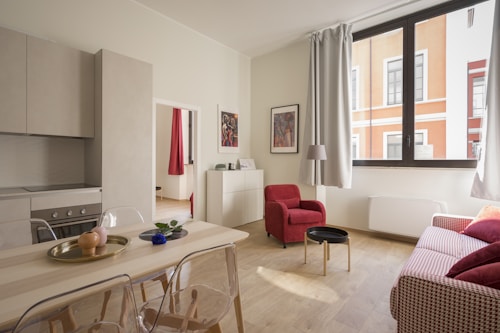
Mandatory Dormitory System: Students are generally required to reside in the school's affiliated dormitories for at least their initial enrollment period. These dorms are typically managed by the school or a closely related entity, providing immediate access to staff support, security, and structured living. Accommodation options usually include single or twin rooms, providing essential amenities and communal facilities such as kitchens, laundry rooms, and study spaces. The proximity of the dorms to the school campus or convenient public transport access ensures minimal commuting stress, allowing students to focus maximum energy on their academic studies.

Comprehensive Welfare and Safety: The dormitory setting enhances student safety and welfare. Dorm managers or designated school staff are available to assist with immediate logistical challenges, such as registering with the city hall, opening bank accounts, accessing local medical services, and understanding local customs. This centralized support mechanism is invaluable, particularly in a regional setting where localized guidance is essential. The structured living conditions also help maintain focus and prevent isolation, which can be common challenges for new international students.

Regional Cost Advantage: Koriyama's living costs are substantially lower than those in major metropolitan areas. While the total tuition and initial fees include dormitory costs, the ongoing monthly expenses for food, utilities, and personal spending are significantly reduced. This financial relief allows students to live comfortably without the constant pressure to seek extensive part-time work, enabling greater dedication to their rigorous EJU and language preparation schedules. The school provides essential local information and guidance to help students budget effectively and manage their finances in the regional context.

Community Building: Dormitory life naturally fosters a strong sense of community. Students from different national and linguistic backgrounds live and study together, encouraging daily use of Japanese as the lingua franca and providing a robust support network for academic and personal challenges. This integrated living environment is a powerful tool for rapid linguistic immersion and cultural adaptation, making the mandatory accommodation requirement a significant academic and social advantage.

Tuition, Fees & Scholarships

The tuition structure at the Japanese Language Department of the International College of Art and Design is regionally competitive, offering a high-value education, especially when considering the included mandatory dormitory and high level of academic specialization and EJU preparation. The total costs provided typically cover the primary components for the duration of the course.

Detailed Cost Breakdown for Academic Programs (Initial Enrollment Fees in JPY):

Item 2-Year Course (April Entry) 1.5-Year Course (October Entry)
Application Fee ¥30,000 ¥30,000
Admission Fee ¥70,000 ¥70,000
Tuition (Per Course) ¥1,180,000 ¥840,000
Facilities/Equipment Fee ¥75,000 ¥55,000
Other Fees (Insurance, Textbooks, Support) ¥80,000 ¥80,000
Total Initial Fees (Approximate) ¥1,435,000 ¥1,115,000

Note: The 'Other Fees' category often encompasses mandatory costs such as health insurance premiums, textbook packages for the entire duration, visa processing support, and initial comprehensive support services. The tuition figures represent the total amount for the stated duration (24 months or 18 months), offering a structured payment schedule that minimizes uncertainty.

Analysis of Costs: The total fees reflect a strong value proposition. When comparing the annual tuition rate (approximately ¥590,000 per year for the 2-year course) to institutions in Tokyo, which often exceed ¥750,000 to ¥800,000 annually, the regional difference is evident. While accommodation costs are often separate in urban schools, here the cost structure suggests a bundled or highly structured fee, further simplifying budgeting. The school’s capacity to offer specialized EJU preparation, including materials for Art/Design, STEM, and humanities tracks, is bundled into these competitive figures.

Scholarships and Financial Aid: As an institution dedicated to academic advancement, the school typically participates in various government-sponsored and private scholarships available to international students in Japan, such as the Monbukagakusho Honors Scholarship for Privately Financed International Students. Additionally, internal scholarships or fee reductions may be available upon successful matriculation into the affiliated Art & Design college, rewarding students who choose to continue their specialized vocational education within the institution's ecosystem. Prospective students are strongly advised to inquire directly about available scholarship opportunities and performance-based tuition waivers that may be offered to highly achieving students during their language studies.

Mandatory Accommodation Impact: It is crucial for applicants to understand that while the cost breakdown above focuses on academic fees, the mandatory dormitory living will incur separate, regular monthly payments (rent, utilities, and potentially meals). Although these costs are generally lower in Koriyama compared to major cities, this regular expenditure must be factored into the student's overall financial plan alongside the initial academic fees. The stability and support provided by the mandatory dorm, however, often justifies this consolidated living expense.