Kowa Japanese Language Institute
東京都大田区山王3-45-28
🏫 Kowa Japanese Language Institute: Your Pathway to Higher Education in Tokyo
Choosing the right Japanese language school is one of the most critical decisions you will make on your journey to academic and professional success in Japan. For students who are deeply committed to entering prestigious Japanese universities, graduate schools, or vocational colleges, Kowa Japanese Language Institute (興和日本語学院) offers a highly specialized, nurturing, and strategically located environment designed to turn those academic dreams into reality.
Located in the peaceful, historically rich residential district of Ota Ward, Tokyo, Kowa stands out as a small-to-mid-sized institution. With a student capacity of just 180 students, it prioritizes high-quality, personalized attention over mass enrollment, ensuring that no student is left behind in their language acquisition or academic prep journey.
📖 1) School Overview & Philosophy
At the heart of Kowa Japanese Language Institute’s educational philosophy is the belief that language learning is not merely about memorizing characters and passing standardized tests; it is about building a secure foundation for a student's future life, studies, and career in Japan. Kowa has structured its entire school model around supporting academic advancement (進学 - Shingaku).
A Highly Supportive, Small-Scale Environment
Unlike giant language schools where classes can feel anonymous and teachers have limited time for individual counseling, Kowa maintains a strict cap of 180 students. This deliberate scale allows the faculty and administrative staff to build personal, mentoring relationships with every student. Whether you need extra help with grammar after class, specialized advice on writing a research proposal, or simply someone to talk to when feeling homesick, the staff is readily accessible and deeply invested in your well-being.
The Peace of Sanno, Ota Ward
Kowa is situated at 3-45-28 Sanno, Ota-ku, Tokyo. The Sanno neighborhood is historically renowned as an upscale, quiet residential enclave that was once home to many famous Japanese writers, poets, and artists. Surrounded by lush greenery, local parks, and quiet streets, it offers a remarkably peaceful atmosphere that is highly conducive to focused study.
However, this tranquility does not mean you are isolated from the heart of the metropolis. The school is located close to JR Omori Station on the Keihin-Tohoku Line. From Omori, you can reach major transit hubs like Shinagawa Station in just 6 minutes, Tokyo Station in about 15 minutes, and the vibrant international port city of Yokohama in under 25 minutes. This unique balance gives you a quiet, safe home base to study while keeping the boundless cultural and professional opportunities of central Tokyo within immediate reach.
💼 2) Courses, Curriculum & Teaching Style
Kowa Japanese Language Institute concentrates its efforts exclusively on long-term preparatory courses designed for students aiming to transition directly into Japanese higher education. The curriculum is meticulously structured around three main enrollment periods (April, July, and October), allowing students to choose the duration that best matches their current Japanese proficiency and academic timelines.
Course Offerings & Tuition Breakdown
Below is the official fee structure for Kowa’s academic preparation courses. Please note that tuition fees represent the total cumulative costs for the entire duration of the respective programs:
| Course Name (English) | Course Name (Japanese) | Admission Month | Duration | Total Fees (JPY) |
|---|---|---|---|---|
| Academic Prep 2-Year Course | 進学2年コース | April | 24 Months | ¥1,383,800 |
| Academic Prep 1 Year 9 Months Course | 進学1年9か月コース | July | 21 Months | ¥1,220,450 |
| Academic Prep 1 Year 6 Months Course | 進学1年6か月コース | October | 18 Months | ¥1,057,100 |
Note: Complete data regarding short-term, audit, or working holiday courses is currently unavailable, as the institution specializes strictly in these long-term higher-education pathways. Total fees generally include application screening fees, admission fees, tuition, and basic facility maintenance fees.
Intensive EJU & Academic Preparation
For international students seeking admission to prestigious undergraduate programs in Japan, the Examination for Japanese University Admission for International Students (EJU) is the single most important hurdle. Kowa excels in this domain, providing dedicated, intensive training specifically tailored to the EJU format.
The teaching style goes far beyond basic rote memorization. Lessons focus heavily on:
* Advanced Reading Comprehension & Speed: Training students to quickly analyze complex academic texts under tight exam time limits.
* Aural Comprehension: Developing the rapid processing skills needed for the fast-paced listening sections of the EJU and JLPT.
* Academic Writing (Shomanbun): Teaching students how to structure logically sound, persuasive essays in formal Japanese—a crucial skill for university entrance tests.
* JLPT Preparation: Systematic preparation for the N2 and N1 levels of the Japanese Language Proficiency Test, which are critical milestones for both vocational schools and university admissions.
🏡 3) Student Body & Campus Life
With a cozy community of 180 students, campus life at Kowa is tight-knit, collaborative, and friendly. You will not find yourself sitting in massive lecture halls where the teacher doesn't know your name. Instead, classes are kept small, ensuring vibrant interactions between students from various cultural backgrounds and their instructors.
Affiliated & On-Campus Housing for a Smooth Transition
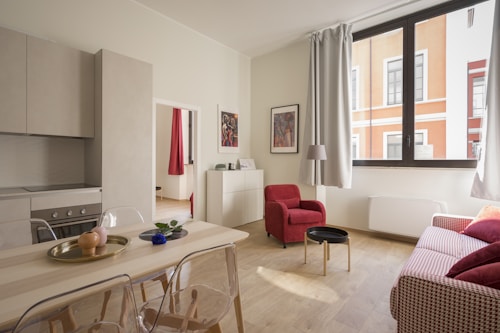
One of the biggest anxieties for international students moving to Tokyo is navigating the complex, often expensive Japanese rental market. Recognizing this, Kowa Japanese Language Institute provides affiliated and on-campus dormitory options.
Choosing school-managed housing offers immense advantages:
* Zero Rental Hassles: Avoid the need for a Japanese guarantor, complex co-signing procedures, or high real estate agency fees.
* Fully Equipped Living: Dormitories are generally furnished with basic necessities (bedding, study desk, internet access, shared kitchen, and laundry facilities), allowing you to start your life in Tokyo from day one without heavy initial investments.
* Immediate Community: Living with fellow classmates fosters quick friendships, study groups, and a built-in support system as you adjust to living in Japan.
Living in Ota Ward
Ota Ward is not only exceptionally safe but also incredibly rich in local culture. When you are not studying, you can explore the traditional shopping streets (shotengai) around Omori Station, sample local delicacies, or visit nearby historic locations like the Ikegami Honmonji Temple. The nearby Tama River offers beautiful cycling and walking paths, providing a perfect escape to refresh your mind after a week of intensive study.
🎓 4) University & Career Pathways
Because Kowa is a dedicated specialist in higher education preparation, the entire calendar year is designed around university application cycles. While specific year-by-year university placement percentages and lists of successful candidates are not publicly detailed by the school, their rigorous focus on EJU prep and structured course durations (ranging from 1.5 to 2 years) shows a systematic methodology for preparing students for the Japanese academic ecosystem.
Comprehensive Higher Education Guidance
Applying to a Japanese university or vocational school involves several distinct stages, and Kowa provides guidance for every single one of them:
1. Strategic Counseling: Helping you identify universities and vocational schools (senmon gakko) that match your academic goals, budget, and language level.
2. Application Management: Navigating the complex "shutsuan" (application filing) periods, ensuring all high school transcripts, recommendation letters, and financial documents are formatted perfectly according to Japanese standards.
3. Mock Interviews: Extensive, highly detailed practice interviews. Japanese university admissions panels place immense weight on face-to-face interviews, evaluating not just your language ability but your manners, posture, and clarity of purpose.
4. Research Proposal Writing: For students aiming for graduate schools (Daigakuin), instructors offer critical advice on how to draft and refine a compelling "Kenkyu Keikakusho" (Research Proposal) in formal academic Japanese.
💡 5) Practical Tips for Applicants
If you are planning to apply to Kowa Japanese Language Institute, keeping these practical insider tips in mind will make your transition and application process much smoother:
- Match Your Intake to Your Current Level:
- If you are a absolute beginner or have very limited Japanese knowledge, the April Intake (2-Year Course) is highly recommended. It gives you the full two years to progress from N5 to N1/N2 levels and thoroughly prepare for the EJU.
- If you already possess a solid intermediate foundation (approx. N3 level), the October Intake (1 Year 6 Months Course) is an efficient, cost-effective way to polish your academic Japanese and secure your university seat.
- Plan Your Finances Early: Remember that while Ota Ward is slightly more affordable than central districts like Shinjuku or Shibuya, Tokyo is still a major global metropolis. Factor in around ¥80,000 to ¥120,000 per month for food, local transport, utilities, and personal expenses in addition to your tuition.
- Apply 5 to 6 Months in Advance: The Japanese student visa application process requires meticulous documentation, including proof of financial sponsorship and academic history. Because Kowa has a limited capacity of 180 seats, slots for popular intakes (especially April) can fill up fast. Begin your application process at least half a year before your target start date.
- Commuting Smart: Make full use of student commuter pass discounts (Tsukin Teikiken) available for JR lines. Living in the school's affiliated dormitories will also save you significant daily commuting costs and valuable study time.
Related study abroad guides
Was this page helpful?
Your feedback helps us improve our guides