Kyoto Reigaku International Academy
京都府京都市伏見区上板橋町513
🏫 School Overview & Philosophy
Kyoto Reigaku International Academy (京都励学国際学院) is a highly specialized academic incubator designed for ambitious international students whose ultimate goal is admission into Japan’s prestigious higher education institutions. Located in the historic and serene district of Fushimi-ku, Kyoto (specifically at 513 Kamiitabashi-cho), the school embodies its name—Reigaku (励学)—which translates directly to "encouraging and striving for academic diligence." Unlike mass-enrollment language factories, Kyoto Reigaku operates with a strictly capped capacity of just 120 students. This boutique scale ensures that every single student receives customized academic steering, direct mentorship, and a level of daily interaction that is impossible to replicate in larger institutions.
The school’s educational philosophy revolves around high-focus preparation. It rejects the "one-size-fits-all" approach to language acquisition, recognizing that students aiming for top-tier national, public, or highly competitive private universities require more than conversational Japanese. They require command over academic Japanese, technical terminology, and specialized subjects. Kyoto Reigaku is tailored specifically to bridge the gap between foreign secondary education and the rigorous demands of Japanese university entrance examinations, offering a disciplined, structured environment where academic success is the central metric of achievement.
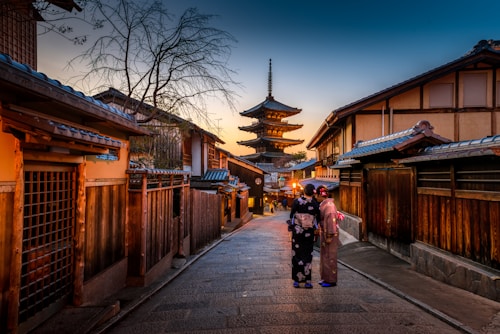
Fushimi-ku itself provides the perfect backdrop for this focused study. Famous worldwide for its historic sake breweries, scenic willow-lined canals, and the iconic Fushimi Inari Shrine, the neighborhood sits slightly south of Kyoto’s bustling tourist core. This location offers students a tranquil, authentic residential setting with lower living costs than Tokyo or central Kyoto, while remaining exceptionally well-connected to major academic institutions via the Keihan and Kintetsu railway lines.
📚 Courses, Curriculum & Teaching Style
The academic calendar at Kyoto Reigaku International Academy is structured around three primary enrollment periods, each aligned with university application timelines. The school’s curriculum is optimized for intensive preparation, and tuition fees reflect a comprehensive package of language instruction, exam preparation materials, and academic advising.
Comprehensive Course Listing
| Course Name (English) | Course Name (Japanese) | Admission Month | Total Fees (JPY) | Recommended Academic Track & Timeline |
|---|---|---|---|---|
| University Prep Course I | 進学コースⅠ | April | ¥1,370,000 | 2-Year Track: Ideal for students requiring thorough foundational build-up in both Japanese and specialized EJU subjects before taking the June/November EJU in their second year. |
| University Prep Course III | 進学コースⅢ | July | ¥1,207,500 | 1 Year & 9 Months Track: Designed for mid-level Japanese speakers aiming to accelerate their academic preparation and target summer university admissions. |
| University Prep Course II | 進学コースⅡ | October | ¥1,045,000 | 1 Year & 6 Months Track: An intensive, fast-paced pathway for students who already possess basic Japanese skills and need to rapidly polish their exam techniques. |
Curriculum Specializations & Exam Training
At Kyoto Reigaku, the coursework goes far beyond standard textbook Japanese. The curriculum is split into three core dimensions:
- Advanced Academic Japanese: Intensive training in reading comprehension, speed reading, essay writing (shoronbun), and interview techniques tailored specifically for university entrance panels.
- EJU Science & Humanities Support: The school provides dedicated preparation for the Examination for Japanese University Admission for International Students (EJU). This includes specialized lectures in Mathematics (Course I & II), Science (Physics, Chemistry, Biology), and Japan and the World (General Humanities).
- Dedicated Art Track Support: Recognizing Kyoto’s reputation as a cultural capital, the academy offers targeted portfolio reviews, interview preparation, and specialized essay coaching for students aiming to enter prestigious art and design colleges, such as Kyoto University of the Arts or Kyoto City University of Arts.
🌸 Student Body & Campus Life
With a total capacity of 120 students, the campus atmosphere at Kyoto Reigaku International Academy is exceptionally close-knit and highly motivated. Because the school is specifically geared toward shingaku (higher education advancement), the student body is primarily composed of academically driven individuals. This creates a positive peer-pressure environment where classmates motivate each other to study, practice mock exams, and exchange academic resources.
The Mandatory Single-Room Dormitory Policy
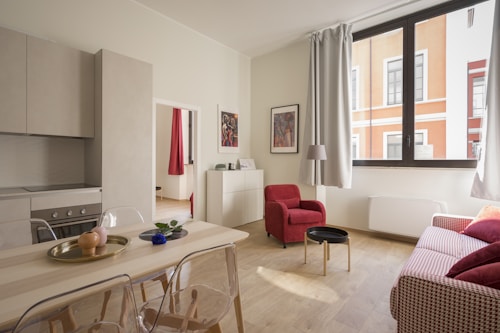
A defining and highly practical feature of Kyoto Reigaku is its emphasis on mandatory single-room dormitory options. While many language schools cram multiple students into shared, noisy apartments, Kyoto Reigaku advocates for private, single-occupancy living spaces. The school believes that maximum academic focus requires a quiet, distraction-free environment where students can study late into the night, rest properly, and maintain mental clarity. These dormitories are equipped with study desks, high-speed internet, and private amenities, providing a secure sanctuary just a short walk or bicycle ride from the school campus.
Life in Fushimi, Kyoto
Outside of intensive study hours, students live in one of Kyoto's most culturally rich neighborhoods. Campus life is grounded in the local community:
* Historic Exploration: Students can cycle past traditional wooden sake breweries (sakagura) and historic canals dating back to the Edo period.
* Local Dining & Shopping: Fushimi-Momoyama’s vibrant shopping street (shotengai) offers affordable local supermarkets, fresh produce stalls, and cozy eateries, making daily life accessible on a student budget.
* Cultural Integration: The school organizes local cultural excursions, temple visits, and interactions with neighborhood associations, allowing students to practice their Japanese in authentic daily settings.
🎓 University & Career Pathways
Kyoto Reigaku International Academy acts as a direct springboard to Japan's higher education system. The school’s small student body allows teachers to act as personal university placement counselors, guiding each student through the complex maze of Japanese university admissions.
Targeted Higher Education Institutions
Thanks to its strategic location in the Kansai region, the school maintains close advisory tracks for prestigious local universities, including:
* National & Public Universities: Kyoto University, Osaka University, Kobe University, and Kyoto Prefectural University.
* The Famous "KAN-KAN-DO-RITSU" Private Universities: Kansai University, Kwansei Gakuin University, Doshisha University, and Ritsumeikan University.
* Local Academic Powerhouses: Ryukoku University (which has a major campus right in Fushimi-ku), Kyoto Sangyo University, and Kyoto University of Advanced Science.
Personalized Guidance System
- Mock Interview Drills: Faculty members conduct multiple rounds of simulated university entrance interviews, recorded and analyzed to perfect the student's posture, speech level, and confidence.
- Essay Polishing (Shoronbun): One-on-one sessions are scheduled to refine university-specific essays, ensuring that the applicant’s academic interests and motivations are written in sophisticated, grammatically flawless Japanese.
- Scholarship Advisory: To make higher education affordable, the school provides robust guidance on securing financial aid, including the MEXT honors scholarship for privately-financed international students and various private foundation grants.
💡 Practical Tips for Applicants
Navigating the admissions and arrival process requires careful planning. Here are some insider tips to help you succeed at Kyoto Reigaku International Academy:
- Apply Early due to Limited Capacity: With a strict limit of 120 students, classrooms fill up incredibly fast. If you are targeting the April intake (the most popular option for university-bound students), you should begin your application process at least 7 to 8 months in advance.
- Leverage the Single-Room Dorms: If you value your privacy and study time, make sure to apply for the school-managed single-room dormitories immediately upon acceptance. These rooms are highly sought after because they offer premium privacy at a fraction of the cost of standard private apartments in Tokyo.
- Prepare Basic Japanese Before Arrival: Do not arrive with zero Japanese knowledge. Having at least N5 or N4 level proficiency (or equivalent study hours) before you land will allow you to bypass basic grammar drills and dive straight into intermediate, university-prep level Japanese much faster.
- Budget for Kyoto’s Commutes: Kyoto is a highly bicycle-friendly city. Investing in a reliable bicycle during your first week will not only save you thousands of yen in train fares between Fushimi-ku and downtown Kyoto but will also give you absolute freedom to explore the city’s endless cultural corners.
- Inquire About In-House Scholarships: During your application process, ask the admissions office about their internal financial aid programs. Kyoto Reigaku offers robust support systems for students demonstrating high academic potential and dedication.
Related study abroad guides
Was this page helpful?
Your feedback helps us improve our guides