Life Junior Japanese Language Institute
沖縄県那覇市寄宮1-8-50
🏫 School Overview & Philosophy
Welcome to the Life Junior Japanese Language Institute (ライフジュニア日本語学院), a premier educational gateway located in the vibrant heart of Naha City, Okinawa. Situated at 1-8-50 Yorimiya, our school offers a uniquely refreshing approach to learning Japanese, far removed from the overwhelming congestion of mainland megacities like Tokyo or Osaka. With a carefully managed student capacity of 220, we pride ourselves on providing a close-knit, supportive environment where you are never just a number on a roster. Our dedicated faculty members know every student by name, ensuring your personal, academic, and professional goals are nurtured from the moment you step onto our tropical campus.
Okinawa represents a fascinating cultural crossroads where traditional Japanese customs merge with indigenous Ryukyuan heritage and global influences. Our school's philosophy is rooted in this harmonious blend: we believe that mastering a language goes beyond textbooks and vocabulary drills. It requires diving headfirst into local communities, understanding cultural nuances, and building bridges of mutual respect. At Life Junior, we don't just teach Japanese—we prepare you to thrive in modern Japanese society, cultivating global citizens who can contribute meaningfully to an interconnected world.
Our location in Naha, the bustling capital of Okinawa Prefecture, offers the perfect balance between urban convenience and island tranquility. Known for its warm, subtropical climate, pristine beaches, and welcoming locals, Okinawa provides an exceptionally safe, affordable, and stress-free environment for international students. If you thrive in warm weather, appreciate a relaxed pace of life, and want to learn Japanese in a setting that feels like a home away from home, Life Junior Japanese Language Institute is your ideal destination.
📚 Courses, Curriculum & Teaching Style
At Life Junior Japanese Language Institute, our structured academic programs are designed to accommodate different enrollment timelines and long-term academic ambitions. Whether you aim to enter a prestigious Japanese university, enroll in a specialized vocational school, or jumpstart your career in Japan, our rigorous progression pathways will get you there.
Below is an overview of our core long-term courses, tailored specifically for students seeking comprehensive academic advancement (Shingaku):
| Course Name | Admission Month | Duration | Total Fees (JPY) |
|---|---|---|---|
| 日本語進学2年コース (Japanese Academic Advancement 2-Year Course) |
4 (April) | 2 Years | ¥1,572,000 |
| 日本語進学1.5年コース (Japanese Academic Advancement 1.5-Year Course) |
10 (October) | 1.5 Years | ¥1,214,800 |
Curriculum Highlights & Teaching Style
Our teaching methodology is highly interactive and results-oriented, designed to develop the four core language skills: reading, writing, listening, and speaking.
* Intensive EJU & JLPT Preparation: For students planning to advance to higher education, we offer focused prep classes for the Examination for Japanese University Admission (EJU) and the Japanese Language Proficiency Test (JLPT N1/N2). Our curriculum covers not only advanced Japanese language structures but also essential test-taking strategies and critical academic writing.
* Practical Communication Focus: We believe that speaking is the fastest pathway to fluency. Our daily lessons feature situational conversation practices, role-playing, and peer presentations to build your confidence in real-world scenarios.
* Flexible Short-term Study Programs: In addition to our core long-term academic tracks, we offer flexible short-term options for students who want to improve their language skills during holidays or short stays. These programs are perfect for experiencing Okinawan life while gaining essential language proficiency without a long-term visa commitment.
🌏 Student Body & Campus Life
With a capacity of 220 students, the campus of Life Junior Japanese Language Institute is a vibrant hub of international friendship and cultural exchange. While exact nationality percentages can vary from term to term due to changing immigration trends, our student body typically represents a diverse mix of learners from across Asia and beyond, all drawn together by a shared passion for Japanese language and culture.
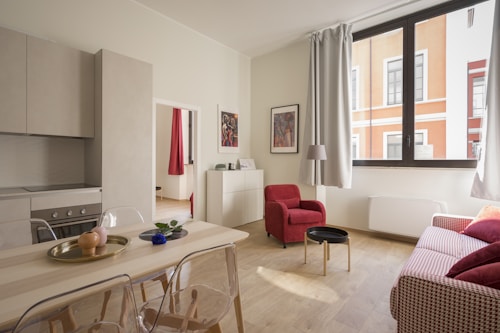
One of the standout advantages of choosing Life Junior is our On-campus/Affiliated Dormitory Accommodation. Finding private housing in a new country can be one of the most stressful parts of studying abroad, but our school takes that burden off your shoulders. Our clean, safe, and fully furnished student housing options are located either on-campus or just a short walk away. This setup not only cuts down on commuting time and expenses but also fosters a supportive living community where you can study, cook, and socialize with classmates from around the world.
Beyond the classroom, life in Okinawa is an adventure. The island's subtropical climate means you can enjoy outdoor activities year-round. Naha's famous Kokusai-dori (International Avenue) is highly accessible, offering endless dining, shopping, and entertainment options. Our school organizes regular extracurricular activities, including local cultural workshops, traditional Ryukyuan music experiences, island excursions, and community volunteer events. These activities allow you to practice your Japanese with native Okinawans and build lifelong memories under the blue skies of Japan's southernmost prefecture.
🎓 University & Career Pathways
Advancing to higher education is a central focus at Life Junior Japanese Language Institute. Our robust Strong Focus on Higher Education Advancement (Shingaku) program ensures that every student who wishes to continue their studies in Japan receives personalized, step-by-step guidance.
Personalized Guidance Services:
- One-on-One Counseling: From your very first semester, our experienced advisors sit down with you to map out your academic future, matching your interests and academic strengths with the right universities, graduate schools, or vocational colleges (senmon gakko) across Japan.
- EJU Prep & Academic Subject Tutoring: Preparing for university entrance exams involves more than just language; we help you navigate the complex registration process and provide intensive study materials for the EJU.
- Interview Coaching & Statement of Purpose Review: Japanese higher education admissions rely heavily on face-to-face interviews and written essays (shorunbun). We conduct rigorous mock interviews to build your confidence and meticulously review your application documents to ensure they are polished and professional.
Okinawa itself is home to reputable higher education institutions, such as the University of the Ryukyus, Okinawa International University, and numerous specialized vocational schools focusing on tourism, hospitality, IT, and international business. Many of our graduates choose to remain in Okinawa to take advantage of its thriving tourism and hospitality sectors, while others successfully transition to prestigious universities in Tokyo, Osaka, Fukuoka, and other major mainland cities.
📝 Practical Tips for Applicants
Applying to study abroad is an exciting journey, and being prepared is key to a smooth transition. Here are some practical tips to keep in mind when planning your application to Life Junior Japanese Language Institute:
- Plan Your Intake and Budget Ahead: If you prefer a full two years of study to reach maximum fluency, target the April Intake (2-Year Course, ¥1,572,000 total fees). If you already have some basic Japanese knowledge or want a slightly shorter path to higher education, the October Intake (1.5-Year Course, ¥1,214,800 total fees) is an excellent, cost-effective choice. Make sure to prepare your financial documents early to satisfy visa requirements.
- Prepare for Okinawa's Subtropical Climate: Unlike the mainland, Okinawa does not experience freezing winter temperatures, but it does have high humidity during the summer months and a distinct typhoon season (typically July to September). Pack light, breathable clothing, but also bring a light jacket for air-conditioned classrooms and cooler winter evenings.
- Get Ready for Local Transportation: While Naha City is served by the convenient "Yui Rail" monorail system, public transport in Okinawa is generally less dense than in mainland metropolises. Many of our students find that walking, cycling, or using local bus routes is the best way to get around. Living in our affiliated dormitories drastically reduces your need for long daily commutes.
- Explore Part-Time Work Opportunities: With a student visa, you are legally permitted to work up to 28 hours per week in Japan (and up to 40 hours during long school vacations). Because Naha is a major tourist destination, there are abundant part-time opportunities in hotels, restaurants, convenience stores, and souvenir shops. Basic conversational Japanese will greatly expand your job prospects, so we highly recommend studying hiragana, katakana, and everyday phrases before you arrive!
Related study abroad guides
Was this page helpful?
Your feedback helps us improve our guides