MANABI Japanese Language Institute Tokyo Campus
東京都墨田区両国2-10-5
School Overview & Philosophy
MANABI Japanese Language Institute Tokyo Campus is a well-established Japanese language institution situated in the vibrant Ryogoku district of Sumida Ward, Tokyo. Ryogoku is renowned as the heart of sumo wrestling, lending a unique cultural atmosphere to the area. Students will find themselves immersed in a traditional yet modern neighborhood, with a blend of historic sites, local shops, and convenient access to the rest of Tokyo. The school's central location provides easy access to public transportation, making it simple to explore the city and its many attractions during their studies.
The school, with a significant capacity of 720 students, fosters a diverse international learning environment, welcoming students from around the globe who are committed to improving their Japanese language proficiency. MANABI Tokyo's history is rooted in providing quality Japanese language education, with a strong emphasis on preparing students for higher education in Japan. Over the years, it has developed a proven track record of guiding students towards successful enrollment in universities, graduate schools, and vocational colleges.
At the heart of MANABI Tokyo's educational philosophy is a commitment to personalized learning and comprehensive support. Recognizing that each student has unique learning styles and goals, the school emphasizes a student-centered approach, providing individualized attention and guidance. Their teaching methodology combines traditional classroom instruction with modern techniques, incorporating interactive activities, multimedia resources, and real-world applications to make learning engaging and effective. The school believes in creating a supportive and stimulating environment where students can confidently develop their language skills and cultural understanding.
MANABI Tokyo aims to empower students not only with linguistic proficiency but also with the cultural sensitivity and academic skills necessary to thrive in a Japanese academic setting. They focus on building a solid foundation in grammar, vocabulary, and pronunciation, while simultaneously equipping students with the critical thinking, research, and presentation skills demanded by Japanese universities and colleges. By fostering a holistic approach to language learning, MANABI Tokyo strives to prepare students for success both academically and personally in Japan.
Courses, Curriculum & Teaching Style
MANABI Japanese Language Institute Tokyo Campus offers a range of comprehensive courses specifically designed to equip students with the necessary Japanese language skills for academic advancement. These courses vary in duration to accommodate different admission cycles and individual learning needs.
| Course Name | Duration | Target Level | Key Features |
|---|---|---|---|
| Higher Education 2-Year Course | 2 Years | Beginner to Advanced | Comprehensive Japanese language training, intensive EJU preparation, university entrance guidance, cultural activities. |
| Higher Education 1-Year 9-Month Course | 1 Year 9 Months | Beginner to Advanced | Accelerated Japanese language training, focused EJU preparation, university entrance guidance, cultural activities. |
| Higher Education 1-Year 6-Month Course | 1 Year 6 Months | Beginner to Advanced | Intensive Japanese language training, streamlined EJU preparation, university entrance guidance, cultural activities. |
| Higher Education 1-Year 3-Month Course | 1 Year 3 Months | Beginner to Advanced | Highly intensive Japanese language training, targeted EJU preparation, university entrance guidance, cultural activities. |
| Higher Education 1-Year Course | 1 Year | Beginner to Advanced | Accelerated Japanese language training, general EJU preparation, university entrance guidance, cultural activities. |
Higher Education 2-Year Course: This is the most comprehensive program, designed for students with little to no prior knowledge of Japanese. Over two years, students build a strong foundation in all aspects of the language, from basic grammar and vocabulary to advanced reading, writing, listening, and speaking skills. The curriculum progressively integrates EJU (Examination for Japanese University Admission for International Students) preparation, covering all subjects tested in the exam. Teaching style emphasizes interactive learning, with a focus on practical application of language skills. Teachers use a variety of methods, including group discussions, role-playing, presentations, and multimedia resources to engage students and make learning fun and effective. Regular assessments and feedback help students track their progress and identify areas for improvement. Cultural activities and field trips are also incorporated to provide students with firsthand experience of Japanese culture and society.
Higher Education 1-Year 9-Month Course: This accelerated program is designed for students who want to quickly improve their Japanese language skills and prepare for university entrance within a shorter timeframe. The curriculum covers the same material as the 2-Year Course but at a faster pace. Teaching style is more intensive, with a greater emphasis on independent study and self-directed learning. Students are expected to actively participate in class and take responsibility for their own learning. Teachers provide guidance and support, but students are encouraged to take initiative and seek out opportunities to practice their Japanese language skills outside of the classroom. The course includes targeted EJU preparation sessions, focusing on exam strategies and practice questions.
Higher Education 1-Year 6-Month Course: This intensive course is geared towards students who need to acquire a high level of Japanese proficiency in a relatively short period. The curriculum is highly structured and focused on the essential skills needed for academic success. Teaching style is demanding, with a strong emphasis on grammar and vocabulary acquisition. Students are expected to dedicate significant time to studying outside of class. The course includes regular mock exams to simulate the EJU exam environment and help students build confidence. This course assumes the student has some basic foundation, making its accelerated format effective.
Higher Education 1-Year 3-Month Course: This program represents the most accelerated option, catering to students who possess a foundational understanding of Japanese and are committed to intensive study to achieve proficiency for higher education entry. The curriculum swiftly covers advanced grammatical structures, nuanced vocabulary, and sophisticated reading comprehension. The teaching approach is highly focused, demanding active participation and independent learning. A large part of the curriculum is dedicated to EJU preparation, providing test-taking strategies and rigorous practice. This course requires significant dedication and self-discipline.
Higher Education 1-Year Course: This course balances intensive language learning with EJU preparation. The curriculum covers essential grammar, vocabulary, and kanji, while integrating practical application of these skills in everyday situations. This enables students to use their knowledge in tangible settings, as well as to master the language needed to succeed in higher education. Teachers encourage interactive learning and actively engage with students, creating a comfortable environment for students to ask questions and actively participate. They provide guidance and personalized feedback.
Student Body & Campus Life
While specific statistics on the current international student nationality mix are unavailable, MANABI Tokyo's large student capacity (720 students) suggests a diverse representation of nationalities. It's reasonable to expect students from various Asian countries (China, Korea, Vietnam, etc.), as well as students from Europe, the Americas, and other parts of the world. The school likely aims to create a multicultural environment that encourages interaction and understanding among students from different backgrounds.
The campus facilities are designed to support students' learning and well-being. Classrooms are equipped with modern audio-visual equipment to enhance the learning experience. The school provides a library with a wide range of Japanese language textbooks, reference materials, and multimedia resources. Students also have access to computer labs with internet access for research and study. Common areas provide spaces for students to relax, socialize, and collaborate on projects.
Beyond academics, MANABI Tokyo organizes a variety of extracurricular activities to enrich students' cultural experience and promote social interaction. These activities may include:
- Cultural workshops: Calligraphy, tea ceremony, origami, and other traditional Japanese arts.
- Field trips: Visits to historical sites, museums, temples, and other cultural attractions in Tokyo and surrounding areas.
- Sports activities: Participation in local sports events, such as soccer, basketball, and volleyball.
- Social events: Parties, picnics, karaoke nights, and other social gatherings to foster friendship and camaraderie among students.
- Volunteer opportunities: Involvement in community service projects, providing students with the opportunity to give back to the local community and practice their Japanese language skills.
The school actively fosters a sense of community among students and staff. Counselors are available to provide personal and academic support. The school also encourages students to form clubs and organizations based on their interests, further promoting a sense of belonging and shared purpose.
University & Career Pathways
While specific university admission records aren't provided, MANABI Tokyo explicitly focuses on preparing students for higher education in Japan. Therefore, the school likely maintains a strong track record of placing its graduates in reputable universities, graduate schools, and vocational colleges.
| University Type | Examples |
|---|---|
| National Universities | Tokyo University, Kyoto University |
| Private Universities | Waseda University, Keio University |
| Vocational Colleges | (Examples would depend on student field) |
MANABI Tokyo offers comprehensive support systems to guide students through the university application process. This includes:
- Individual counseling: Counselors provide personalized guidance to students on choosing the right university or college based on their academic interests, career goals, and Japanese language proficiency.
- University information sessions: Representatives from various universities and colleges are invited to the school to present their programs and answer students' questions.
- Application assistance: Counselors assist students with completing application forms, writing personal statements, and preparing for interviews.
- EJU preparation: The curriculum is specifically designed to prepare students for the EJU exam, which is a requirement for most international students applying to Japanese universities. Mock exams and practice questions are regularly administered to help students build confidence and improve their performance.
- Interview practice: Counselors conduct mock interviews to help students prepare for university admission interviews. They provide feedback on students' communication skills and interview techniques.
While the focus is primarily on higher education progression, MANABI Tokyo also provides some support for students interested in pursuing career opportunities in Japan. This may include:
- Job search workshops: Workshops on resume writing, job interview skills, and networking.
- Internship opportunities: The school may partner with local companies to provide internship opportunities for students.
- Career counseling: Counselors can provide guidance on career options and job market trends in Japan.
- Introduction to recruiters: Connecting students with recruiters who specialize in placing international graduates in Japanese companies.
Accommodation & Living Support
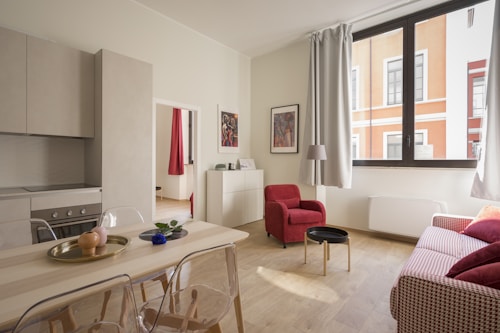
MANABI Tokyo offers dormitory options for students seeking convenient and affordable accommodation. While specific details about the dormitory types, costs, and distances from the school aren't provided, it is likely that the dormitories offer a range of options to suit different budgets and preferences. These may include:
- Shared rooms: More affordable options where students share a room with one or more roommates.
- Private rooms: More expensive options where students have their own private room.
- Apartment-style dorms: Dormitories with apartment-style units that include a private bathroom and kitchenette.
Dormitory costs typically range depending on the type of room and location. It's advisable to contact the school directly for the most up-to-date information on dormitory availability and pricing. It's possible the dormitories are within walking distance or a short commute via public transport to the school.
In addition to providing dormitory accommodation, MANABI Tokyo also assists students with initial setup in Japan. This may include:
- Airport pickup: Arranging for students to be picked up from the airport upon arrival and taken to their accommodation.
- Assistance with visa application: Providing guidance and support with the visa application process.
- Assistance with registration at the local city hall: Helping students register as residents at the local city hall, which is a requirement for all foreign residents in Japan.
- Opening a bank account: Assisting students with opening a bank account in Japan.
- Setting up utilities: Helping students set up utilities such as electricity, gas, and internet.
- Orientation program: Conducting an orientation program to familiarize students with Japanese culture, customs, and laws.
The school's goal is to make the transition to living and studying in Japan as smooth and stress-free as possible for international students.
Tuition, Fees & Scholarships
Here's a breakdown of estimated first-year costs based on the provided data. Please note these are estimates and should be verified directly with the school for the most accurate figures.
| Expense Category | Estimated Cost (JPY) | Notes |
|---|---|---|
| Tuition Fees | Varies (see below) | Depends on course duration (1 year to 2 years). See Course Offerings section for specific tuition amounts for each course. |
| Enrollment Fee | Included in Total Fees | This is generally included in the "Total Fees" listed for each course, but clarify with the school. |
| Accommodation (Dormitory) | Varies | This will depend on the type of dormitory room (shared or private) and its location. Contact the school for specific dormitory costs. Budget at least 600,000 JPY per year for a reasonable option. |
| Textbooks & Materials | 50,000 - 100,000 | Costs vary depending on the course level and specific materials required. |
| Living Expenses | 800,000 - 1,200,000 | This includes food, transportation, entertainment, and other personal expenses. Tokyo is a relatively expensive city, so budget accordingly. |
| Health Insurance | 20,000 - 30,000 | Mandatory National Health Insurance for all long-term residents in Japan. |
Tuition Fees Breakdown (First Year):
- Higher Education 2-Year Course (First Year): 713,880 JPY (approximate, assuming fees are evenly split)
- Higher Education 1-Year 9-Month Course: 839,160 JPY (annualized approximate)
- Higher Education 1-Year 6-Month Course: 726,480 JPY (annualized approximate)
- Higher Education 1-Year 3-Month Course: 736,560 JPY (annualized approximate)
- Higher Education 1-Year Course: 818,640 JPY
Scholarships:
MANABI Tokyo may offer internal scholarships to outstanding students based on academic performance, attendance, and financial need. These scholarships may provide a partial tuition reduction. Inquire directly with the school about the availability and eligibility criteria for internal scholarships.
In addition to internal scholarships, international students may be eligible for external scholarships offered by Japanese government agencies, private foundations, and international organizations. Some of the most common external scholarships include:
- Japanese Government (MEXT) Scholarship: This is a prestigious scholarship offered by the Japanese Ministry of Education, Culture, Sports, Science and Technology. It covers tuition fees, living expenses, and round-trip airfare.
- JASSO (Japan Student Services Organization) Scholarship: JASSO offers various scholarships for international students studying in Japan. These scholarships are typically awarded to students with excellent academic records and financial need.
- Rotary Club Scholarship: Many Rotary Clubs in Japan offer scholarships to international students. Contact your local Rotary Club for more information.
- Private Foundation Scholarships: Numerous private foundations in Japan offer scholarships to international students. Research and apply for scholarships that match your academic background and field of study.
It's essential to thoroughly research and apply for as many scholarships as possible to help reduce the financial burden of studying in Japan. MANABI Tokyo's staff may also be able to provide guidance and support with the scholarship application process.
Related study abroad guides
Was this page helpful?
Your feedback helps us improve our guides