Marugame International Academy
香川県丸亀市南条町17-4
Marugame International Academy: Your Gateway to Success from the Heart of Kagawa
Choosing the right Japanese language school is one of the most critical decisions you will make on your journey to academic or professional success in Japan. While massive institutions in bustling metropolises like Tokyo or Osaka often capture the spotlight, smaller, specialized academies in regional Japan offer unique, highly focused advantages that are hard to replicate elsewhere.
Marugame International Academy (丸亀国際学院), located in the scenic and historic city of Marugame in Kagawa Prefecture, is one such hidden gem. With a cozy and highly personalized capacity of just 80 students, this academy offers an intimate, supportive, and intensive learning environment. It is the perfect destination for students who want to avoid the distractions and high living costs of Japan's major capitals, focusing instead on deep linguistic acquisition, cultural immersion, and rigorous academic preparation.
Let’s dive deep into what makes Marugame International Academy a standout choice for international students, exploring its academic offerings, campus life in Kagawa, and the long-term pathways it opens up for your future.
1. School Overview & Philosophy
Marugame International Academy operates on a simple but profound philosophy: personalized, high-quality education combined with regional integration. By maintaining a small student capacity of 80, the school ensures that no student is left behind. Every teacher, administrative staff member, and career advisor knows your name, your academic strengths, your linguistic weaknesses, and your personal dreams.
Why Study in Marugame, Kagawa?
Marugame City is situated on the coast of the beautiful Seto Inland Sea in Kagawa Prefecture, Shikoku. Famous nationwide for its historic wooden castle (Marugame Castle, built in 1597 and boasting the tallest stone walls in Japan) and as the birthplace of traditional Uchiwa (Japanese paper fans), the city is steeped in cultural heritage.
Choosing Marugame over Tokyo or Osaka offers several distinct advantages:
- Exceptional Affordability: The cost of rent, fresh local food, and daily essentials in Kagawa is a fraction of what you would pay in Japan’s major metropolitan areas. This significantly reduces financial pressure, allowing you to focus on your studies.
- True Cultural Immersion: Unlike mega-cities where English or other foreign languages are widely spoken, daily life in Marugame requires you to use your Japanese. This natural "immersion booster" accelerates your speaking and listening comprehension rapidly.
- A Safe and Peaceful Environment: Kagawa boasts a mild, Mediterranean-like climate with very low rainfall. It is safe, peaceful, and incredibly welcoming to international students, making it an ideal setting for focused academic study.
Core Strengths of the Academy
To support its students, the academy focuses on five major pillars:
1. Dedicated Dormitory Available: Securing housing from abroad can be incredibly stressful. The school provides comfortable, affordable dormitory accommodations specifically for its students, eliminating the need for expensive upfront real estate fees.
2. Intensive EJU Preparation: For students targeting Japanese universities, the school provides rigorous preparation for the Examination for Japanese University Admission for International Students (EJU).
3. Clear University Pathway Guidance: From matching you with the right institutions to practicing mock admissions interviews, the school offers step-by-step counseling.
4. Focus on Practical Conversational Japanese: The curriculum is designed to break the common habit of "memorizing for tests" and instead focuses on confidence in real-world Japanese communication.
5. Specialized Business Japanese Training: For students looking to transition directly into the Japanese workforce, the school offers practical training in workplace etiquette, business emails, honorific language (keigo), and interview preparation.
2. Courses, Curriculum & Teaching Style
Marugame International Academy offers structured, long-term visa programs designed to take students from absolute beginners to advanced academic or professional communicators. The school offers two main entry points depending on your prior language level and your long-term graduation goals.
Course Offerings & Tuition Breakdown
Below is the detailed tuition structure for the primary courses offered at the academy. Note that these rates are highly competitive compared to schools located in central Tokyo or Osaka, representing excellent value for money.
| Course Name | Admission Month | Duration | Total Fees (inc. tax/materials) |
|---|---|---|---|
| University Preparatory 2-Year Course (進学2年コース) |
April | 2 Years | ¥1,498,500 |
| University Preparatory 1.5-Year Course (進学1年6か月コース) |
October | 1.5 Years | ¥1,154,510 |
Note: Tuition fees are subject to change by the institution; please confirm current billing schedules with the school upon receiving your acceptance package. Comprehensive study materials and foundational textbooks are factored into these pathways.
Curriculum Highlights
- The 2-Year University Preparatory Course (April Intake): This is the ideal pathway for students who starting with basic Japanese (N5/N4 level). Over two years, you will systematically build your skills across reading, writing, listening, and speaking, progressing toward N2 or N1 levels of the JLPT (Japanese Language Proficiency Test). It provides ample time to prepare for university entrance exams, draft research proposals, and practice for entrance interviews.
- The 1.5-Year University Preparatory Course (October Intake): Designed for students who may already have a basic to intermediate grasp of Japanese or who want a faster, more intensive route to higher education. This course is fast-paced and focuses on ramping up your academic writing and advanced reading comprehension quickly to align with the spring college application season in Japan.
Teaching Style
Classes are small, highly interactive, and communicative. Rather than sitting through passive lectures, you will participate in:
* Active Role-playing: Practicing real-life scenarios like visiting a doctor, asking for directions, ordering food, or speaking with a landlord.
* Presentation-based Learning: Researching local topics, writing essays, and delivering presentations in front of your peers to build confidence in public speaking.
* Targeted JLPT & EJU Drills: Utilizing past exams, mock testing, and strategy-focused sessions to help you score high on standardized tests.
3. Student Body & Campus Life
With a maximum capacity of 80 students, Marugame International Academy functions like a close-knit family. You are not just a number on a spreadsheet; you are an active member of a warm, supportive community.
International Environment
While smaller schools in rural prefectures sometimes draw from limited demographics, the academy actively seeks to create a diverse classroom environment. Students from various countries across Asia and beyond come together, using Japanese as their common language of communication. This creates a highly motivating atmosphere where you are constantly encouraged to practice your target language.
Housing & Accommodation
One of the biggest advantages of studying at Marugame International Academy is the Dedicated Dormitory Available option.
* Affordable and Convenient: Unlike apartments in Tokyo, which often require reikin (key money), shikikin (deposit), guarantor fees, and agency commissions, the school’s dorms are structured specifically for international students.
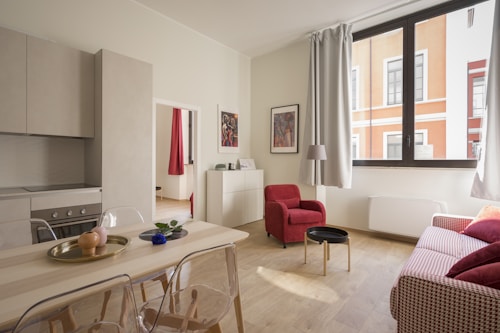
* Fully Equipped: Rooms are typically furnished with essentials (bedding, desk, refrigerator, Wi-Fi access), letting you start your life in Japan from day one without stressful shopping trips.
* Commute: The dormitories are located within easy walking or cycling distance of the school, saving you time and money on daily transportation.
Daily Life in Marugame
Life in Kagawa is relaxed and healthy. Most students commute by bicycle. A typical day might include classes in the morning, followed by self-study, a part-time job, or socializing with classmates in the afternoon.
Kagawa is famously known as the "Udon Prefecture" (Udon Ken). Sanuki Udon is delicious, filling, and incredibly cheap—with a bowl of freshly made noodles often costing as little as ¥250 to ¥400. It is the ultimate student budget food! Over the weekends, you can explore the peaceful Seto Inland Sea islands (like Naoshima, the world-famous art island), hike up to local shrines, or enjoy picnics under the cherry blossoms at Marugame Castle.
4. University & Career Pathways
While studying the language is rewarding, the ultimate goal of most students is what comes after language school. Marugame International Academy excels in providing customized guidance to help you reach your next milestone.
Intensive EJU Preparation & Higher Education Pathways
For students aiming to enter prestigious public or private universities in Japan, passing the EJU is essential. The school provides targeted preparation, not just in Japanese, but also in understanding the structure of the exam.
Because of the school's geographical location, you will have access to excellent regional higher-education institutions in Shikoku and the Chugoku region, such as:
* Kagawa University (National University in Kagawa)
* Ehime University
* Tokushima University
* Various highly regarded local vocational schools (Senmon Gakko) specializing in IT, design, business, hospitality, and automotive technology.
If your goal is to attend a university in Tokyo, Osaka, or Kyoto, the school's personalized pathway guidance will help you navigate long-distance applications, travel arrangements for exams, and online interview preparation.
Career Guidance & Business Japanese
If you already hold a university degree from your home country, your goal may be to find direct employment in Japan. The academy's Specialized Business Japanese Training is invaluable here.
Teachers provide direct training in:
* Writing a Japanese-style Resume (Rirekisho): Highlighting your unique cross-border skills effectively.
* Interview Etiquette: Understanding exactly how to enter the room, bow, introduce yourself, and answer complex situational questions.
* Business Communication: Mastering the difference between casual language, polite language (teineigo), and honorific language (keigo/kenjougo) used in professional offices.
5. Practical Tips for Applicants
To ensure a smooth transition to Marugame International Academy, keep these practical advisor tips in mind:
- Plan Your Finances Wisely: While the tuition is incredibly reasonable (ranging from ¥1,154,510 to ¥1,498,500 depending on the course length) and local rent is cheap, you still need to demonstrate sufficient financial sponsorship to immigration authorities to secure your student visa. Ensure your bank statements are clear, organized, and meet visa requirements.
- Apply Early for Dormitory Spots: Since the school has a total capacity of 80, dormitory rooms are highly sought after. As soon as you receive your Certificate of Eligibility (COE), make sure to apply for a space in the dedicated student dormitory to lock in your housing.
- Start Learning Before You Arrive: Do not wait until you land in Kagawa to start studying Japanese. Having a solid mastery of Hiragana, Katakana, and basic N5 vocabulary/grammar before you arrive will help you pass initial placement tests, make local friends faster, and secure part-time employment much sooner.
- Embrace the Bicycle Culture: Marugame is a highly flat, bicycle-friendly city. Investing in a cheap secondhand bicycle (often easily acquired with help from the school staff) will give you total freedom to explore the city, commute to school, and reach local supermarkets.
- Utilize the Small School Advantage: Don't be shy! At a larger school, you might have to wait days for a career counseling appointment. At Marugame International Academy, the teachers are right there. Ask questions, seek feedback on your pronunciation, and take full advantage of their local connections to find part-time work or college recommendations.
Marugame International Academy offers the perfect blend of high-quality, intensive education and a peaceful, affordable, and culturally rich lifestyle. It is an exceptional choice for serious students looking to build a strong, authentic foundation for their future in Japan.
Related study abroad guides
Was this page helpful?
Your feedback helps us improve our guides