Nara Sogo Business College (Japanese Language Division)
奈良県奈良市法蓮町7-2
School Overview & Philosophy
Nara Sogo Business College (NSBC) is strategically located in Nara City, an area renowned for its profound historical significance as Japan’s ancient capital, offering a serene yet culturally enriching environment for international study. While major metropolitan centers like Tokyo and Osaka often draw students seeking immediate immersion in fast-paced city life, Nara provides an indispensable advantage: a focused, supportive atmosphere conducive to intensive academic study, coupled with lower living expenses and proximity to the entire Kansai region. NSBC operates with a clear mandate: to serve as a pivotal bridge for international students aspiring to enter Japanese universities, graduate schools, or specialized vocational colleges. The institution is not merely a language school; it is an academic preparatory center deeply embedded within a broader professional training college structure, which inherently brings rigorous standards and specialized curriculum development into the language training.
NSBC’s foundational philosophy rests on two core pillars: achieving high academic performance and fostering deep cultural understanding. The school recognizes that language ability alone is insufficient for success in the highly competitive Japanese higher education system. Therefore, the curriculum is meticulously designed to integrate advanced Japanese proficiency—reaching and exceeding the N1 level of the JLPT—with specialized subject matter required for entrance examinations, particularly the EJU (Examination for Japanese University Admission). By capitalizing on its smaller capacity of 180 students, NSBC ensures a personalized learning experience where instructors can provide targeted guidance tailored to individual student goals, whether they aim for prestigious national universities, specialized art programs, or competitive business faculties. This supportive environment, away from the intense distractions of larger cities, allows students to maximize their study time and focus intensely on achieving their long-term academic ambitions in Japan, all while experiencing the profound historical beauty of the Kansai region.
Furthermore, the integration of 'Business' into the school's name is not accidental. Even for students prioritizing university admission, NSBC instills practical communication skills, professional etiquette, and the nuances of Japanese business culture. This dual focus ensures that graduates are not only academically prepared but also culturally literate and ready to navigate professional interactions, providing a significant edge regardless of their chosen career path. The commitment to offering comprehensive support, extending from specialized EJU tracks to robust accommodation options including highly sought-after single rooms, defines NSBC as an institution dedicated to the holistic success and well-being of its diverse international student body. The tranquil setting of Nara, rich in World Heritage sites and historical context, naturally provides invaluable opportunities for cultural immersion that enhances language acquisition far beyond the classroom.
Courses, Curriculum & Teaching Style
The curriculum at Nara Sogo Business College is heavily geared toward preparation for higher education, clearly reflected in the offered courses: the comprehensive University Preparation 2-Year Course (starting April) and the intensive University Preparation 1.5-Year Course (starting October). These programs are structured to advance students from foundational Japanese rapidly through to the highest levels of academic language mastery and required examination subjects. The teaching methodology combines rigorous textbook study with high-frequency, practical conversation practice to ensure students can communicate fluently both academically and socially.
A distinctive feature of NSBC is its robust specialization tracks, catering directly to diverse post-secondary goals. The curriculum is segmented to provide specific preparation for the EJU’s General subjects, Mathematics, and, most notably, dedicated classes for Science, Art, and Design. For students targeting science or engineering faculties, this means not only learning complex scientific concepts in Japanese but also mastering the specialized terminology required for the EJU Physics, Chemistry, and Biology sections. Similarly, art and design applicants receive crucial instruction focused on portfolio preparation, technical vocabulary related to their field, and the necessary interview skills required by Japanese art universities—a critical component often overlooked by standard language schools. This tailored instruction begins relatively early in the program, ensuring students have ample time to master specialized content alongside general language acquisition.
The teaching style emphasizes interactive learning, small-group collaboration, and frequent simulation of actual entrance examinations. EJU mock tests are administered regularly, allowing instructors to pinpoint weak areas and adjust the curriculum dynamically. Furthermore, NSBC places significant emphasis on the often-challenging components of university entrance: essay writing, presentation skills, and formal interview etiquette. Instructors, many of whom have experience guiding international students into top-tier Japanese institutions, provide detailed feedback on personal statements and research proposals, essential for graduate school applicants. The inclusion of Business Japanese training further enriches the core curriculum, providing students intending to work in Japan after graduation with foundational professional language skills necessary for the highly structured Japanese corporate environment. The structured nature of the programs, combined with the availability of short-term study options, demonstrates flexibility while maintaining a high standard of academic rigor.
Student Body & Campus Life
With a capacity limited to 180 students, Nara Sogo Business College cultivates a close-knit, highly focused educational community. This moderate size ensures that the student-to-teacher ratio remains favorable, fostering an environment where students feel comfortable asking questions and receiving individualized attention. The student body typically reflects a broad international diversity, though like many schools in Japan, there is often a strong representation from East Asian countries such as China, Korea, Vietnam, and Nepal, who are highly motivated by the academic pathways offered. This mix of backgrounds contributes to a stimulating cross-cultural exchange, primarily conducted in Japanese, which accelerates language fluency.
Campus life at NSBC is intrinsically linked to the cultural environment of Nara. While the academic schedule is demanding, the school actively promotes cultural activities and excursions that leverage the city’s rich heritage. Students regularly have opportunities to visit iconic sites like Todai-ji Temple, Kasuga Taisha Shrine, and Nara Park, integrating historical context directly into their learning. These cultural outings are often utilized as practical lessons in conversation and historical terminology, reinforcing classroom learning with real-world application. The smaller campus setting promotes stronger camaraderie among students and staff, fostering a supportive 'family' atmosphere essential for students navigating a new country and demanding academic goals. Because the school provides excellent on-campus dormitory options, many students live together, promoting further academic collaboration and social bonding outside of class hours. The proximity of the school to essential amenities and the safe, peaceful nature of Nara contribute to a low-stress living environment, allowing students to dedicate their mental energy entirely to their studies.
University & Career Pathways
NSBC’s primary strength lies in its specialized advancement track record. The institution functions as an intensive preparatory school, funneling graduates into competitive Japanese universities and vocational schools across the Kansai region and beyond. The extensive focus on the EJU is central to this success. Students are not just taught the Japanese language requirements for the EJU; they are meticulously prepared for the subject tests required for specific faculties, including the specialized mathematics and science papers for STEM fields, and the arts requirements for design schools.
Counseling at NSBC is highly individualized. From the moment students enroll, dedicated guidance counselors work with them to map out their target universities and required entrance criteria. For students aiming at fields requiring specialized examinations (such as portfolio submissions for art schools or advanced research proposals for graduate school entry), the curriculum includes dedicated workshop time. The school’s connection to the broader Nara Sogo Business College network potentially offers advantageous pathways into its vocational programs, providing an alternative route for students interested in immediate professional skill acquisition (like IT, tourism, or advanced business administration) alongside Japanese language mastery.
Crucially, the school leverages its location near major Kansai academic hubs (Osaka, Kyoto, Kobe) to facilitate admissions. Graduates frequently advance to institutions within this competitive area. The thorough preparation includes intensive practice for university interviews, emphasizing the specific etiquette, presentation, and responsiveness expected by Japanese admissions committees. The academic advising extends beyond merely passing exams; it focuses on developing strong critical thinking and analytical skills in Japanese, ensuring that graduates are prepared not only to enter but to succeed in a demanding university environment. Furthermore, for those aiming for direct career entry, the inclusion of Business Japanese and professional decorum training ensures they possess the fundamental linguistic tools for immediate entry into the Japanese workforce, complementing their advanced conversational abilities.
Accommodation & Living Support
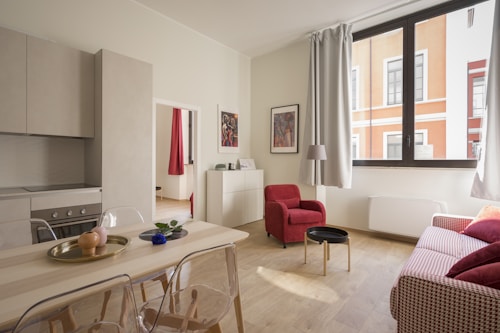
Accommodation support is one of the most compelling features of Nara Sogo Business College, alleviating one of the most significant initial hurdles for international students. The school explicitly offers access to dormitory facilities, including the highly desirable option of single rooms. Single-room accommodation is often scarce or prohibitively expensive in large metropolitan areas, making this a crucial advantage for students who require maximum privacy and quiet for intensive study, especially during EJU preparation periods.
School-managed dormitories offer numerous benefits:
* Guaranteed housing immediately upon arrival.
* Close proximity to the campus (reducing commute time and cost).
* A supportive community environment overseen by school staff.
These facilities typically include essential furnishings, utility management, and communal areas, significantly easing the transition into Japanese life. The inclusion of single rooms underscores the school’s dedication to providing a high-quality living environment that prioritizes student focus and well-being. Living in Nara also translates to significantly lower overall housing costs compared to Osaka, Kyoto, or Tokyo, making the total cost of studying in Japan more manageable.
Beyond housing, NSBC provides comprehensive living support. This includes critical assistance with initial administrative processes such as obtaining the residence card, registering with the local city hall, opening bank accounts, and navigating national health insurance. Staff members are trained to assist students through cultural adjustments and provide guidance on local customs. Furthermore, the school’s location in the safe and manageable city of Nara ensures that students feel secure, and the relative ease of public transport means that students can access necessary amenities and part-time job opportunities without the overwhelming complexity found in mega-cities. This robust support structure ensures students can focus primarily on their academic goals knowing their fundamental living needs are secure and managed.
Tuition, Fees & Scholarships
Nara Sogo Business College offers competitive tuition rates, especially considering the specialized EJU and subject-specific preparation provided. The costs reflect the standard progression for highly academic Japanese language schools, packaged to cover comprehensive instructional time, facility maintenance, and administrative support.
The Scholarship tag indicates that financial aid opportunities are available. These generally include internal scholarships awarded based on merit (high grades, perfect attendance) and often include external scholarships the school assists students in applying for, such as the Monbukagakusho (MEXT) Honors Scholarship for Privately Financed International Students. Prospective students should inquire about specific eligibility criteria, application deadlines, and the value of these scholarships, as they can significantly offset the total cost of attendance.
Estimated Tuition and Fees Breakdown (Yen - ¥)
The figures below are estimated based on the total fees provided in the input data and a standard breakdown structure for Japanese language schools. Note that specific amounts for materials/insurance may vary.
| Item | University Prep 2-Year Course (April Start) | University Prep 1.5-Year Course (October Start) |
|---|---|---|
| Total Fees (Input Data) | ¥1,540,000 | ¥1,195,000 |
| Breakdown Estimate | ||
| Application Fee (Initial) | ¥20,000 | ¥20,000 |
| Enrollment/Entrance Fee (One-time) | ¥100,000 | ¥100,000 |
| Tuition Fee (First Year/Initial Period) | ¥780,000 | ¥780,000 |
| Tuition Fee (Remaining Period) | ¥500,000 | ¥200,000 (0.5 Year) |
| Facility Fee & Maintenance | ¥100,000 | ¥75,000 |
| Textbooks, Materials, Insurance (Est.) | ¥40,000 | ¥20,000 |
| Total (Sum) | ¥1,540,000 | ¥1,195,000 |
Note on Fees: Typically, tuition is paid annually or in 6-month installments after the initial entrance fee is settled. Dormitory fees, estimated at approximately ¥30,000 to ¥50,000 per month for a single room in the Nara area, are billed separately.
Related study abroad guides
Was this page helpful?
Your feedback helps us improve our guides