Richi no Mori Japanese Language School, Sendai Campus
宮城県仙台市青葉区角五郎2-5-4
🏫 School Overview & Philosophy
If you are an international student seeking a top-tier Japanese education without the overwhelming noise, high living costs, and congestion of Tokyo, Richi no Mori Japanese Language School, Sendai Campus (理知の杜日本語学校仙台校) offers a refreshing, academically rigorous alternative. Located in the beautiful city of Sendai, Miyagi Prefecture—historically celebrated as Japan's Mori no Miyako (the City of Trees)—this school perfectly mirrors its environment. The name "Richi no Mori" translates to the "Forest of Intelligence and Reason," representing a sanctuary where students can grow their linguistic roots deeply while branching out into higher education and professional careers.
With a highly selective and intimate student capacity of 100 students, Richi no Mori is the antithesis of a massive, assembly-line language factory. Here, the educational philosophy centers on personalized guidance, academic excellence, and holistic student support. The campus is situated in Tsunogoro, Aoba-ku, a scenic and peaceful residential neighborhood nestled along the pristine Hirose River. This specific location is highly advantageous: it sits adjacent to the academic beating heart of the region, close to Tohoku University's Kawauchi and Aobayama campuses. This proximity creates an inspiring, intellectual atmosphere where international students are naturally motivated by the vibrant local university community.
At Richi no Mori, the goal is not merely to help you pass basic language proficiency tests. The school is dedicated to nurturing critical thinking, fostering cultural empathy, and preparing you for the precise academic and linguistic demands of Japanese universities, graduate schools, and modern professional environments.
📚 Courses, Curriculum & Teaching Style
The academic framework at Richi no Mori is meticulously structured, focusing primarily on long-term progression tracks (Shin-gaku) designed to transition students smoothly into Japanese higher education. The school aligns its intensive curriculum with two main entry points throughout the year, ensuring that students can choose the duration that best matches their prior Japanese language foundation and future goals.
Below is the official breakdown of the progression courses offered at the Sendai Campus:
| Course Name | Admission Month | Duration | Total Fees (JPY) |
|---|---|---|---|
| Progression Course (2 Years) | April | 2 Years | ¥1,360,000 |
| Progression Course (1 Year 6 Months) | October | 1.5 Years | ¥1,050,000 |
🔬 Specialized Academic Tracks: Science (Rikei) & Art/Design
One of the most unique and highly sought-after features of Richi no Mori is its specialized preparation tracks. Unlike standard language schools that offer a one-size-fits-all curriculum, this institution provides:
- Science (Rikei) Tracks: Tailored vocabulary, academic writing, and support for students aiming to enter science, technology, engineering, or mathematics (STEM) programs in Japan. This includes targeting the EJU (Examination for Japanese University Admission) science components.
- Art & Design Tracks: Dedicated guidance for creative minds aiming for Japan's prestigious art universities. This track helps students master the abstract and expressive vocabulary required for portfolio presentations, design critiques, and specialized university interviews.
- EJU Preparation Classes: Targeted modules focusing on Japanese as a Foreign Language, as well as mathematics and general subjects, ensuring students achieve competitive scores for university admissions.
🗣️ Communication & Business Focus
Beyond textbooks, the school places a strong emphasis on practical conversation skills. Classroom activities are highly interactive, utilizing real-world scenarios, group debates, and presentation-based assessments. For students looking to enter the Japanese workforce immediately or after university graduation, the curriculum integrates Business Japanese and Professional Communication Training, teaching the subtle nuances of keigo (honorific language), business etiquette, email writing, and interview strategies.
Additionally, Short-term Study Programs are available for students who wish to immerse themselves in Japanese language and culture for shorter periods without committing to a full multi-year visa track.
👥 Student Body & Campus Life
With a total capacity of just 100 students, the community at Richi no Mori is tight-knit, warm, and highly supportive. You will not get lost in the crowd here. Teachers and administrative staff know every student by name, monitoring your academic progress and emotional well-being with genuine care.
🏠 Stress-Free Living: Dedicated Dormitory Options
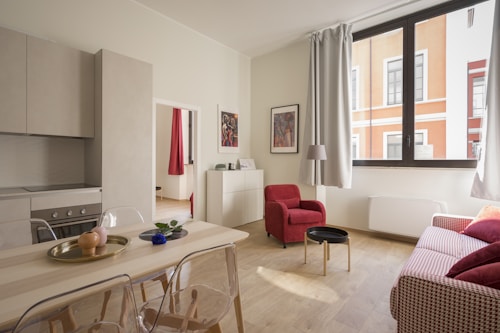
Moving to a new country can be daunting, especially when it comes to finding housing. Richi no Mori significantly lowers this barrier by offering dedicated dormitory options, which include highly coveted single rooms. This is a massive advantage for students who value their privacy, need a quiet study environment, or simply want a space of their own at the end of an intensive day of classes. The dorms are fully furnished, budget-friendly, and located within easy commuting distance of the campus, allowing you to settle into your new life in Sendai from day one without dealing with complicated Japanese real estate agents or guarantor requirements.
🌳 Living in Sendai: The Student’s Paradise
Sendai is widely considered one of the most livable cities in Japan for international students. It offers the perfect balance: it is a modern metropolis with excellent shopping, dining, and transportation, yet it is surrounded by stunning nature, mountains, and hot springs (onsen).
- Cost of Living: Rent, food, and daily expenses in Sendai are roughly 30% to 50% cheaper than in Tokyo. This means your budget goes much further, allowing you to focus on your studies rather than stressing over high living costs.
- Local Culture: From the vibrant Sendai Tanabata Festival in August to local winter light pageants, the city is rich in cultural experiences. The local community is exceptionally welcoming to international students, providing ample opportunities to practice conversational Japanese with native speakers in everyday settings.
🎓 University & Career Pathways
Richi no Mori Japanese Language School is proudly focused on Shin-gaku—assisting students in advancing to high-quality universities, graduate schools, and vocational colleges (Senmon Gakko) across Japan.
🚀 Personalized Higher Education Placement
The pathway to higher education in Japan is complex, involving EJU exams, JLPT scores, university-specific entrance exams, essays, and intensive interviews. The advisors at Richi no Mori guide you through every single step:
1. Target Identification: Helping you find universities or vocational colleges that match your academic background and career desires.
2. Application Coaching: Reviewing your statement of purpose, research plans (for graduate school applicants), and portfolio submissions (for art students).
3. Mock Interviews: Conducting rigorous, simulated interviews to build your confidence and ensure your Japanese communication is natural, polite, and persuasive.
Because Sendai is home to several elite academic institutions—including the world-renowned Tohoku University—the academic environment is highly infectious. Whether you aim to enter a prestigious national university, a specialized vocational school for IT, tourism, or culinary arts, or transition directly into the Japanese corporate world, the school’s targeted career counseling ensures you are fully prepared.
🏆 Comprehensive Scholarship Programs
To support dedicated students, the school offers comprehensive scholarship programs. These financial aids are awarded based on academic performance, exceptional attendance, and classroom leadership, providing a fantastic incentive to push your limits and excel in your language studies.
💡 Practical Tips for Applicants
Navigating your application to study in Japan requires planning, foresight, and attention to detail. Here are several expert tips specifically tailored for applicants considering Richi no Mori Japanese Language School, Sendai Campus:
- Align Your Intake Month with Your Goals:
- If you are a beginner or want a robust, steady pace to achieve N1/N2 proficiency and enter a top-tier university, the 2-Year April Course is highly recommended. It gives you ample time to prepare for the EJU exams held in June and November.
-
If you already possess an intermediate foundation (N4 or higher) and want to save on time and tuition, the 1.5-Year October Course is an efficient, fast-track option.
-
Leverage the Science & Art Tracks Early:
If you plan to join the Science or Art/Design specialized tracks, compile your academic transcripts, portfolios, or previous research concepts before arriving in Japan. Discussing these with your Richi no Mori academic advisor during your initial orientation will allow them to customize your study plan immediately. -
Prepare for Sendai's Seasons:
Sendai experiences beautiful, distinct seasons. The winters can get cold with light snowfall, while the summers are warm but much more comfortable and less humid than Tokyo. Pack layered clothing, and prepare to embrace the beautiful outdoor lifestyle of Miyagi Prefecture. -
Budget Wisely but Enjoy the Discounts:
While Sendai is incredibly affordable, make sure to take advantage of student discounts on local transportation (commuter passes) and make use of the school's dedicated dormitory options to keep your initial setup costs as low as possible. Single dorm rooms fill up quickly, so be sure to request housing accommodation as soon as you receive your Certificate of Eligibility (COE)!
Related study abroad guides
Was this page helpful?
Your feedback helps us improve our guides