SANWA Foreign Language Academy
大阪府大阪市平野区平野馬場2-3-31
🏫 School Overview & Philosophy
Welcome to SANWA Foreign Language Academy (SANWA外国語学院), a highly focused and remarkably supportive educational institution located in the heart of Osaka's charming Hirano ward (平野区). Operating with a cozy and highly personalized student capacity of just 85 students, SANWA represents the ideal alternative to the massive, often impersonal "factory" schools found in Japan's major metropolitan areas. Here, you are never just a number; instead, you are a member of a close-knit academic family where teachers, counselors, and peers know you by name and actively collaborate to ensure your success.
Located at 2-3-31 Hirano Baba, Hirano-ku, Osaka-shi, the academy sits in one of the city's most historically rich and pleasantly residential areas. While tourists flock to the neon-lit corridors of Namba and Umeda, Hirano-ku offers students an authentic, distraction-free slice of daily Japanese life. It is an area characterized by peaceful neighborhood temples, traditional shopping streets (shotengai), and incredibly affordable living costs. At the same time, the bustling heart of Osaka is just a short train ride away, giving you the absolute best of both worlds: a quiet, focused sanctuary for academic immersion and easy access to the culinary and economic capital of Western Japan.
SANWA’s educational philosophy rests on creating a bridge between high-level academic achievement and real-world communication competence. The school recognizes that passing a written exam is only half the battle. To truly thrive in Japanese society—whether that means navigating a university lecture, presenting a graduate research plan, or negotiating in a corporate setting—students must possess practical, natural conversational skills (Kaiwa). By maintaining an intimate environment, SANWA fosters an immersive interactive dynamic where students are consistently challenged to speak, debate, and present, building immense confidence along the way.
📚 Courses, Curriculum & Teaching Style
At SANWA Foreign Language Academy, the academic programs are designed around structured, long-term progression paths that align perfectly with the standard admissions cycles of Japanese higher education. The school offers two primary long-term courses tailored for academic advancement (Shingaku):
| Course Name | Admission Month | Duration | Total Program Tuition & Fees (JPY) |
|---|---|---|---|
| University Prep 2-Year Course (進学2年コース) |
April | 2 Years | ¥1,394,000 |
| University Prep 1.5-Year Course (進学1年6か月コース) |
October | 1.5 Years | ¥1,074,000 |
Specialized Curriculum Streams
What sets SANWA apart from other schools of its size is its ability to offer highly specialized, modular curriculum enhancements within these foundational courses. Depending on your personal goals, you can access the following training paths:
- Comprehensive EJU Preparation: The Examination for Japanese University Admission for International Students (EJU) is the gateway to top-tier universities. SANWA provides rigorous training not just in Japanese language proficiency, but also in the specific test-taking methodologies, essay writing, and analytical skills required to score highly on this critical exam.
- Specialized Science Track (Rikei) Preparation: For students aiming for STEM fields, medicine, or engineering, ordinary language classes are not enough. SANWA offers specialized preparation to help students master the complex, technical Japanese vocabulary and conceptual frameworks required for scientific university programs.
- Art and Design University Support: Admission to Japanese art universities requires more than just academic testing—it demands portfolio development, conceptual presentation skills, and intense interview preparation. SANWA provides tailored support to guide creative students through these highly specialized audition processes.
- Advanced Business Japanese & Career Training: For those looking to enter the workforce directly or after graduation, the academy offers practical modules focusing on the nuances of honorific language (keigo), business email writing, formal presentation techniques, and corporate etiquette in Japan.
- Flexible Short-Term Study Options: For students who cannot commit to a long-term student visa but still wish to experience SANWA's superior instruction, the academy offers adaptable short-term programs that fit into various travel or temporary stay frameworks.
🏠 Student Body & Campus Life
With a total capacity of only 85 students, the atmosphere on campus is distinctively warm, cooperative, and supportive. Rather than separating into isolated cultural cliques, students of various nationalities interact daily, using Japanese as their primary bridge language. This small-scale environment ensures that the administrative staff can provide deep, hands-on lifestyle support to every single individual—helping you open bank accounts, register at the local ward office, navigate the Japanese medical system, and find part-time jobs (arubaito).
Accommodation & Housing Options
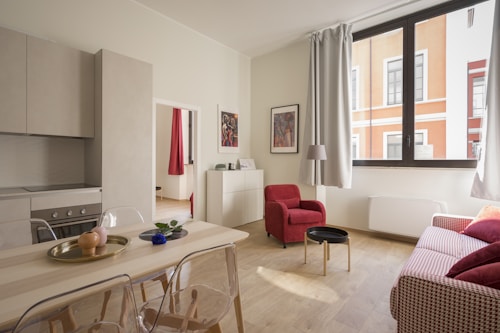
Recognizing that housing security is critical to academic success, SANWA provides comprehensive dormitory accommodations. For students who value their privacy and seek a quiet study environment after school hours, the academy stands out by offering single-room housing options. This is a massive advantage compared to many schools where shared, multi-person rooms are the only affordable choice. These accommodations are located close to the campus, minimizing commute times and allowing you to save money while living comfortably in a safe, residential neighborhood.
Financial Peace of Mind: Scholarships
To ensure that financial constraints do not stand in the way of talented individuals, SANWA provides robust internal and external scholarship opportunities. Hardworking students with excellent attendance records, high academic achievements, and positive contributions to the school community are regularly nominated for prestigious regional and national scholarships, as well as the academy's own performance-based financial awards.
Life in Osaka's Hirano Ward
Living in Hirano-ku means enjoying a significantly lower cost of living than you would find in central Tokyo or even central Osaka. Fresh produce, local restaurants, and daily necessities are very reasonably priced. The local community is incredibly welcoming, offering students a safe environment to practice conversational Japanese with shopkeepers, neighbors, and local residents. Whenever you want to dive into the high-energy city life, Osaka’s excellent rail network puts downtown hubs like Tennoji, Namba, and Shinsaibashi within immediate, stress-free reach.
🎓 University & Career Pathways
Whether your dream is to enter a prestigious national university, a specialized graduate program (daigakuin), a vocational school (senmon gakko), or transition directly into the Japanese corporate world, SANWA Foreign Language Academy is built to get you there.
Graduate School Track
Applying to graduate school in Japan is a complex process that relies heavily on your ability to write a compelling, academically rigorous Research Proposal (Kenkyu Keikaku-sho) and directly contact potential academic advisors. SANWA's instructors work one-on-one with graduate hopefuls, helping them refine their research topics, draft scholarly correspondence, and prepare for intensive academic interviews.
Undergraduate and Art School Pathways
For undergraduate applicants, the combination of comprehensive EJU prep, Science Track (Rikei) tutoring, and targeted Art & Design school guidance ensures that you are competitive across multiple disciplines. Mock interviews are conducted repeatedly until your responses flow naturally and confidently, leaving a lasting, positive impression on university admissions boards.
Career Support & Professional Transitions
For students looking to build a career in Japan, the school's advanced Business Japanese training is paired with comprehensive job placement advice. You will receive hands-on instruction in crafting a Japanese-style resume (rirekisho), navigating the unique timelines of the Japanese job hunt, and mastering the subtle social dynamics of Japanese corporate culture.
💡 Practical Tips for Applicants
Choosing the right path at SANWA involves strategic planning. Here are some expert, actionable tips to keep in mind as you prepare your application:
- Select the Right Intake Based on Your Goals:
- Choose the April Intake (2-Year Course) if you are starting with a beginner-level foundation in Japanese or if you are aiming for highly competitive national universities, science programs, or art institutions that require extensive portfolio/exam preparation.
- Choose the October Intake (1.5-Year Course) if you already possess a basic to intermediate grasp of the language (N4/N3 level) and want to streamline your path directly into a vocational school, graduate school, or career within eighteen months.
- Plan Your Housing Early:
- Since SANWA’s capacity is 85, their high-demand single-room dormitory accommodations fill up quickly. If having your own private space is important to you, make sure to indicate your housing preference as soon as your school application is submitted.
- Leverage the Cost Advantages of Osaka:
- With tuition rates set at a very reasonable ¥1,394,000 for two full years or ¥1,074,000 for one and a half years, you are already saving significantly compared to Tokyo-based institutions. Combine this with the low cost of rent and food in Hirano-ku, and you can comfortably fund your studies with a modest budget or through standard part-time work (up to the legally permitted 28 hours per week).
- Embrace the Community-Focused Atmosphere:
- To get the most out of SANWA, be proactive. Because the school is small, the teachers are exceptionally accessible. Do not hesitate to ask for extra help with your EJU prep, ask for portfolio reviews, or seek guidance on local job applications. The students who succeed best at SANWA are those who actively utilize the personalized attention that only a boutique academy can offer.
Related study abroad guides
Was this page helpful?
Your feedback helps us improve our guides
Nearby housing

Related guides
 Budget
Build Your PC in Akihabara: Tsukumo, Dospara, Ark - Student Guide 2026
Budget
Save with Japanese Budgeting Apps: Money Forward ME vs Zaim for Students
 Visa
Visa
My COE was Denied: What to Do Next? A Comprehensive Guide to Re-application
 Housing