Shizuoka International Language Academy
静岡県袋井市諸井2331-1
School Overview & Philosophy
Shizuoka International Language Academy (静岡国際言語学院), often abbreviated as SILA, is located in the tranquil and culturally rich city of Fukuroi, Shizuoka Prefecture. Unlike the bustling language schools found in Tokyo or Osaka, SILA provides an intimate and focused academic setting, ideal for students who prioritize rigorous study and affordable living. With a capacity of 180 students, the school fosters a close-knit community where personalized attention is common. SILA's core philosophy centers on comprehensive language acquisition, going beyond basic conversational skills to ensure students possess the necessary academic and cultural understanding to thrive in Japan's higher education system or professional environment. The school believes that its location, away from the distractions of Japan's major cities, allows for a deeper commitment to studies while offering access to the rich regional culture and natural beauty of the Tokai region. This makes SILA an ideal choice for serious learners seeking quality instruction, lower living expenses, and a healthier, less stressful lifestyle.
SILA serves as a vital stepping stone for international students aiming for success in advanced studies. Its curriculum is designed not only to pass the JLPT (Japanese Language Proficiency Test) but also to excel in the EJU (Examination for Japanese University Admission for International Students), the key to top Japanese universities. The academy intentionally cultivates an environment that bridges the gap between language ability and subject-specific knowledge, crucial for students entering specialized fields such as science, engineering, or design. The faculty comprises experienced educators dedicated to guiding students through the application process, standardized test preparation, and the demands of academic Japanese. Furthermore, SILA maintains strong ties with regional universities and vocational schools, facilitating smoother transitions for graduates. The commitment to student welfare is evident through comprehensive support systems, including guaranteed dormitory placement, which eases a major concern for newcomers to Japan.
Fukuroi City, while smaller than Shizuoka City or Hamamatsu, offers an appealing combination of historical significance (such as the nearby Kakegawa Castle) and modern convenience. The area is known for its mild climate and accessibility, strategically located along the Tokaido Shinkansen line. This ensures major cities are easily accessible when needed, while minimizing everyday urban expenses and distractions. This environment provides students with ample opportunities for part-time work within a reasonable distance, balancing financial needs with academic responsibilities. The atmosphere at SILA fosters high expectations and strong support, with rigorous daily lessons, focused elective classes, and structured cultural activities designed to build confidence and independence. Small class sizes ensure individualized feedback, enabling rapid identification and resolution of language weaknesses, ultimately accelerating proficiency gains. The facilities are modern and conducive to serious study, providing students with the necessary resources, including technology and study materials, to achieve their educational goals.
Courses, Curriculum & Teaching Style
SILA offers two main long-term courses for international students: the Advancement 2-Year Course (進学2年コース), typically starting in April, and the General 2-Year Course (一般2年コース), often starting in October. Entry months may vary slightly based on application cycles. Both courses are structurally similar in their early stages, focusing intensely on foundational Japanese grammar, vocabulary, and phonetics. However, the curriculum quickly diversifies to meet the specialized goals of the students, a key strength of SILA.
Curriculum Structure and Specialization:
The curriculum is divided into clearly defined levels, from absolute beginner (N5) to advanced business/academic Japanese (N1+). Progress is monitored through frequent internal assessments, ensuring students are placed in the appropriate class level. A key feature of SILA is its robust elective program supporting specialized tracks, which typically begin in the intermediate stage:
- EJU Science Track (理科): Designed for students aiming for degrees in engineering, medicine, physics, or chemistry. This track offers supplementary tutoring in EJU Mathematics (Course 2), Physics, and Chemistry, taught by instructors familiar with the required Japanese terminology and examination format. The goal is to ensure students master the Japanese language and the specific technical vocabulary and analytical methods necessary for the EJU Science papers.
- EJU Liberal Arts Track (文科): Focuses on preparing students for humanities, social sciences, and economics degrees. It provides intensive classes for EJU Integrated Subjects and EJU Mathematics (Course 1), along with specialized training in essay writing and critical reading required for university interviews and application documents.
- Art and Design Track (美術・デザイン): A unique offering for students aiming for art universities (Bijutsu Daigaku) or design Senmon Gakko. Beyond language proficiency, this track includes guidance on developing and presenting a portfolio, understanding Japanese art school entrance requirements, and specialized vocabulary related to mediums, aesthetics, and art history. SILA helps facilitate necessary external workshops or portfolio consultations.
- Business and Practical Conversation Track (ビジネス・会話): While all courses emphasize conversation, this track is ideal for students planning immediate entry into the Japanese workforce or vocational schools focused on business, tourism, or IT. It incorporates Keigo (polite Japanese), business etiquette, presentation skills, and job interview preparation. This pragmatic approach ensures graduates are linguistically competent and culturally prepared for professional settings.
Teaching Methodology: SILA employs a communicative teaching approach (task-based learning) alongside traditional grammar instruction. Teachers focus heavily on interactive exercises, role-playing, and real-world application opportunities, ensuring students develop functional Japanese quickly. The EJU and JLPT preparation classes are integrated seamlessly into the advanced curriculum, utilizing official past papers and high-level textbook materials. Due to the small student capacity, the teacher-to-student ratio remains low, allowing for immediate feedback on writing assignments and detailed oral correction, a significant advantage over larger urban schools.
Student Body & Campus Life
The student body at Shizuoka International Language Academy is diverse, reflecting global interest in quality Japanese education, with significant numbers from East Asian and Southeast Asian countries. The relatively small capacity (180 students) ensures a manageable and highly supportive campus environment. Students often form strong bonds quickly, benefiting from an atmosphere that promotes cross-cultural understanding and mutual academic support.
Life in Fukuroi: Studying in Fukuroi City offers a different experience compared to major cities. The cost of living is substantially lower, especially regarding rent and daily expenses, allowing students to allocate more resources towards tuition and academic materials. The pace of life is calmer and more conducive to concentrated study, minimizing the distractions common in high-energy urban centers. Fukuroi and the broader Shizuoka region are famous for tea production, scenic coastal views, and historical sites, offering opportunities for weekend exploration and cultural engagement that enhance the Japanese learning experience.
Campus and Extracurricular Activities: SILA emphasizes cultural immersion as a key component of language mastery. Organized extracurricular activities typically include trips to local historical landmarks (e.g., temples, shrines, and castles), participation in regional festivals (matsuri), and hands-on cultural experiences like tea ceremonies, calligraphy, or traditional cooking classes. These activities are essential for practicing Japanese outside the classroom and deepening understanding of Japanese social norms and traditions. The school often connects students with local community events and volunteer opportunities, facilitating interaction with native speakers.
Student Support and Community: A crucial aspect of life at SILA is the comprehensive support provided by the administrative staff. This support extends beyond academic guidance to include assistance with essential bureaucratic tasks: registering at the local city hall, opening bank accounts, navigating local healthcare services, and understanding mandatory visa regulations. For students seeking part-time employment (arubaito), the school provides counsel on finding jobs within the local area, which often includes service industries, factories, or logistics roles, ensuring compliance with student visa restrictions. The close proximity of the student dormitories to the school also contributes to a strong sense of community and security, making the transition to life in Japan smoother and less intimidating.
University & Career Pathways
SILA’s primary objective, reflected in its dominant 'Advancement Course,' is to ensure students gain successful entry into Japanese higher education institutions. The school’s structured approach to university placement is intensive and personalized, particularly focusing on the demanding standards of the EJU and subsequent application processes.
The EJU Advantage: Given the school's commitment to EJU preparation, classes specifically address the five main components: Japanese as a Foreign Language, Science (Physics, Chemistry, Biology), Japan and the World (Integrated Subjects), Mathematics Course 1, and Mathematics Course 2. The specialized science and liberal arts tracks ensure that tutoring for the required subject knowledge is integrated into the student's timetable, eliminating the need for expensive external juku (cram school) tuition that is often required in metropolitan areas. Mock EJU exams are administered frequently under realistic conditions to track performance and identify knowledge gaps.
Advanced Guidance and Placement: Placement guidance begins early in the second year. Students receive one-on-one counseling to select appropriate universities or vocational schools based on their EJU scores, desired field of study (e.g., Art/Design, Engineering, Business), and financial capabilities. This includes:
- Application Document Review: Meticulous checking of application forms, study plans, and letters of intent (志望理由書) to ensure they meet university standards.
- Interview Preparation: Extensive mock interview sessions focusing on typical questions asked by Japanese university admissions committees, including practice in high-level keigo and clear articulation of academic motivation.
- Networking and Recommendations: Utilizing SILA's network to facilitate school tours, information sessions with university representatives, and providing strong academic recommendations based on student performance.
Vocational and Career Support: For students opting for vocational schools (Senmon Gakko) or immediate employment through the Business Track, SILA tailors its support to these specific pathways. This includes workshops on Japanese corporate culture, advanced business Japanese terminology, resume (rirekisho) creation, and navigating the often-complex process of obtaining a specialized work visa upon graduation. The goal is to provide multiple viable exit strategies, ensuring every student leaves SILA with a clear, actionable plan for their future in Japan.
Accommodation & Living Support
One of the most appealing features of Shizuoka International Language Academy is the inclusion of guaranteed dormitory accommodation for international students. This removes the significant stress associated with finding housing in Japan immediately upon arrival, especially for those unfamiliar with Japanese rental contracts, key money, and guarantors. The guaranteed dormitory feature is particularly valuable in non-metropolitan areas where finding bilingual real estate support can be challenging.
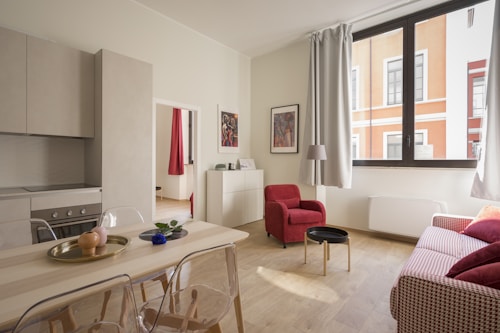
Dormitory Specifications: SILA’s dormitories are typically located close to the school, ensuring a minimal commute time, often accessible by walking or cycling. While specifics may vary, standard student dorms usually feature:
- Room Types: Single rooms or shared twin rooms, providing cost-effective and socially engaging options.
- Amenities: Shared common areas, kitchen facilities (essential for budget-conscious students), laundry facilities, and reliable internet access suitable for online studies and communication.
- Security and Management: Dormitories are professionally managed, often with a resident administrator or strict security protocols, ensuring a safe and disciplined living environment conducive to studying. Specific house rules are enforced regarding cleanliness, noise levels, and curfews, promoting respect among international residents.
Integration and Welfare Support: Beyond housing, the comprehensive living support system at SILA ensures students are never isolated. The administrative staff, often multilingual, acts as the primary point of contact for any challenges encountered during the student's time in Japan. This includes:
- Health and Safety: Guidance on accessing local medical facilities, understanding the National Health Insurance (Kokumin Kenko Hoken) system, and responding to emergencies.
- Local Navigation: Assistance with local transportation (buses, trains) and navigating regional customs.
- Disaster Preparedness: Shizuoka, being in a seismic zone, requires comprehensive training in earthquake and disaster preparedness, which the school provides rigorously.
By providing secure, affordable housing and robust daily life assistance, SILA allows students to dedicate their mental energy entirely to mastering the Japanese language and excelling in their specialized academic track.
Tuition, Fees & Scholarships
Shizuoka International Language Academy offers a highly competitive fee structure, reflecting the lower operational costs associated with studying outside major urban centers, making quality education accessible to a wider range of international students. The school is committed to transparency regarding its expenses and utilizes a strong scholarship system to further reduce the financial burden on high-achieving students.
Estimated First-Year Cost Breakdown (Long-Term Course)
The input data suggests a total cost of ¥1,246,000 for the full 2-year course. However, standard practice requires payment of the first year's fees upon enrollment. We will structure the table based on typical Japanese language school standards while acknowledging the competitive nature of SILA's total program cost:
| Expense Category | Amount (JPY) | Details |
|---|---|---|
| Application Fee | ¥20,000 – ¥30,000 | Non-refundable processing fee. |
| Enrollment/Entrance Fee | ¥50,000 – ¥80,000 | One-time fee paid upon successful enrollment. |
| Tuition (First Year) | ¥650,000 – ¥700,000 | Core language instruction and specialized EJU classes. |
| Facility/Equipment Fee | ¥30,000 – ¥50,000 | Covers school maintenance, equipment, and resources. |
| Insurance/Materials Fee | ¥20,000 – ¥40,000 | Textbooks, supplementary materials, and mandatory student insurance. |
| Total First Year Fees (Estimate) | ¥770,000 – ¥900,000 | Paid upfront before arrival in Japan. |
| Total 2-Year Tuition (Approximate) | ¥1,400,000 – ¥1,600,000 | Estimated total academic cost. (Note: The school's advertised figure of ¥1,246,000 is exceptionally low and likely represents only core tuition or a specific promotional rate.) |
Accommodation fees (dormitory rent, utilities) are separate and generally paid monthly or quarterly. In Shizuoka, these costs are typically 30-40% lower than comparable housing in Tokyo.
Scholarship Opportunities (奨学金):
SILA actively promotes and administers several critical scholarship programs to support its student body, a feature strongly highlighted by its specialized features list. These scholarships are vital for encouraging high academic performance and ensuring financial viability for advanced studies:
- SILA Internal Merit Scholarship: Awarded to students who achieve high attendance rates (often 95% or higher) and demonstrate exceptional academic performance, particularly in JLPT/EJU scores. These often take the form of tuition reduction for the following term.
- MEXT Honors Scholarship for Privately Financed International Students (文部科学省外国人留学生学習奨励費): A highly prestigious external scholarship administered by the Japan Student Services Organization (JASSO). SILA assists eligible students in applying for this monthly stipend, which provides crucial financial support (currently around ¥48,000 per month).
- Local and Private Foundation Scholarships: The school helps students apply for regional scholarships offered by the Shizuoka Prefectural government or various private foundations interested in supporting international students studying in the region. Eligibility often depends on academic merit, field of study (especially science/technology), and financial need.
By combining competitive base tuition with robust scholarship support, SILA ensures that focused, dedicated international students have a clear path to successful advancement in Japan without being overwhelmed by excessive financial demands. The focus on cost-efficiency allows students to concentrate fully on the intensive EJU preparation required for elite university entry.
Who SILA Suits Best
SILA fits students who want steady, exam-focused study (JLPT and EJU) without the pace of Tokyo or Osaka. Its small capacity of 180 students means more individual attention, which can help learners who found large-class instruction impersonal elsewhere.
Before applying, compare SILA against other Shizuoka-area schools on JP Campus for tuition ranges, housing options, and university placement track record, and confirm current fees and intake dates directly with the school since these change by term.
Related study abroad guides
Was this page helpful?
Your feedback helps us improve our guides
Related guides
 Budget
Build Your PC in Akihabara: Tsukumo, Dospara, Ark - Student Guide 2026
Budget
Save with Japanese Budgeting Apps: Money Forward ME vs Zaim for Students
 Visa
Visa
My COE was Denied: What to Do Next? A Comprehensive Guide to Re-application
 Housing