Ishikawa Prefectural University
1-308 Suematsu, Nonoichi, Ishikawa 921-8836, Japan
🏫 University Overview: A Specialized Hub for Bio-Innovation
Ishikawa Prefectural University (IPU) stands as a boutique, research-intensive institution located in the heart of the Hokuriku region. Since its transition from a specialized college to a four-year prefectural university in 2005, it has carved out a prestigious reputation as a leader in bioresource and environmental sciences. For international students, IPU offers an intimate, high-impact learning environment where the focus is not just on theoretical biology, but on the practical application of science to solve global challenges in food security, environmental preservation, and health.
Located in Nonoichi City—frequently ranked as one of the most livable cities in Japan—IPU provides students with a serene study environment while being only a 20-minute bus ride from the historic and vibrant city of Kanazawa. This allows students to experience the cutting edge of agricultural technology while being immersed in the deep cultural heritage of Ishikawa Prefecture, known for its traditional crafts and world-class culinary scene.
🔬 Academic Excellence: The Three Pillars of Science
IPU is structured around the Faculty of Bioresources and Environmental Sciences, which is divided into three distinct yet interconnected departments. This interdisciplinary approach ensures that students gain a holistic understanding of the life sciences.
1. Department of Bioresource Science
This department focuses on the production and management of biological resources. Students dive deep into genetics, plant pathology, and livestock science. International students interested in sustainable agriculture find this program particularly valuable, as it utilizes the university’s massive Field Science Center. Here, research is conducted on high-quality crop production and the development of resilient plant varieties tailored to a changing climate.
2. Department of Food Science
Perhaps the most famous department at IPU, the Department of Food Science leverages Ishikawa’s rich history of fermentation. Ishikawa is home to centuries-old traditions of sake brewing, soy sauce production, and unique fermented fish products (like Fugunoko). The university combines these traditional techniques with modern molecular biology and biotechnology. Research here covers food functionality (how food prevents disease), food safety, and the development of new functional foods that cater to an aging global population.
3. Department of Environmental Science
With a focus on the harmony between human activity and the natural world, this department specializes in ecology, water resource management, and rural planning. Ishikawa is famous for its 'Satoyama' and 'Satoumi' (traditional socio-ecological landscapes), which are recognized as Globally Important Agricultural Heritage Systems (GIAHS). Students here learn how to preserve biodiversity while maintaining productive agricultural systems, a skill set in high demand for environmental consulting and international development NGOs.
🧪 Research Facilities and the Field Science Center
One of the crown jewels of Ishikawa Prefectural University is the Field Science Center (FSC). Spanning several hectares, it includes experimental farms, orchards, and high-tech greenhouses. Unlike many urban universities where students only see data on a screen, IPU students are expected to be in the mud and the sun, actively participating in the lifecycle of the organisms they study. This hands-on experience is a major draw for international researchers who want to bridge the gap between laboratory results and real-world application.
Additionally, the Bioresource Research Center on campus hosts advanced equipment for DNA sequencing, electron microscopy, and chemical analysis, ensuring that graduate students have the tools necessary to publish in international journals.
🌏 Opportunities for International Students
While IPU is a smaller institution, it provides robust support for its international cohort. The university maintains a close-knit community where professors provide personalized mentorship—something often lost in larger national universities like Tokyo or Osaka University.
Language and Integration
Most undergraduate courses are taught in Japanese, making a JLPT N2 level essential for success. However, for Graduate School (Master’s and PhD levels), many laboratories are English-friendly, as research is conducted at an international standard. The university offers Japanese language support and cultural exchange programs with local Nonoichi residents to help students integrate.
Career Pathways
Graduates of IPU are highly sought after by Japanese food conglomerates, pharmaceutical companies, and environmental agencies. Companies like Kikkoman, Suntory, and various agricultural cooperatives actively recruit from the Department of Food Science. For international students, the university’s Career Support Center provides specific guidance on navigating the unique Japanese job-hunting process (Shukatsu), including resume workshops and interview practice.
💴 Tuition and Financial Support
As a public prefectural university, IPU offers a significantly more affordable education than private universities in Japan.
- Admission Fee: Approximately 423,000 JPY for students from outside Ishikawa Prefecture (282,000 JPY for residents).
- Annual Tuition: Fixed at 535,800 JPY.
To assist with these costs, students can apply for the MEXT Scholarship (University Recommendation) or local scholarships such as the Ishikawa International Student Foundation grants. Many international students also receive a 50% tuition waiver based on academic merit and financial need, making it one of the most cost-effective ways to study high-level bioscience in Japan.
🏡 Living in Nonoichi and Kanazawa
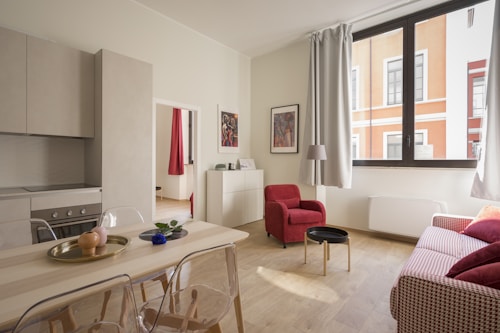
Living costs in Ishikawa are substantially lower than in Tokyo or Kyoto. Most students live in private apartments near the campus, with monthly rents ranging from 30,000 to 50,000 JPY.
Nonoichi is a safe, family-friendly city with a high density of libraries, cafes, and parks. For a taste of the 'real' Japan, students can venture into Kanazawa to visit the Kenrokuen Garden (one of Japan's top three gardens), the 21st Century Museum of Contemporary Art, or the bustling Omicho Fish Market. The region is also famous for its heavy winter snow, offering a beautiful seasonal landscape and access to ski resorts nearby.
📝 How to Apply: A Strategic Guide
For international applicants, the process typically follows these steps:
- Examination for Japanese University Admission (EJU): Undergraduate applicants must take the EJU, focusing on Japanese as a Foreign Language, Chemistry, and Biology.
- University-Specific Entrance Exam: This includes an interview and often a short essay (in Japanese) regarding your interest in bio-sciences.
- Graduate School Admissions: Candidates for Master’s or PhD programs should first identify a professor whose research aligns with their interests and contact them directly with a research proposal. This 'matching' process is the most critical step for graduate admission.
🌟 Why Choose IPU?
Ishikawa Prefectural University is the ideal destination for students who are passionate about the intersection of biology and society. It is a place for those who want to understand how a specific microbe can improve human gut health, how a traditional farming technique can save a local ecosystem, or how biotechnology can create the next generation of sustainable crops. By choosing IPU, you are not just getting a degree; you are joining a specialized community dedicated to the 'Life' in Life Sciences. If you seek a quiet, focused environment with world-class facilities and a deep connection to Japanese tradition, Ishikawa Prefectural University awaits.
Related study abroad guides
Was this page helpful?
Your feedback helps us improve our guides
Related guides
 Budget
Save with Japanese Budgeting Apps: Money Forward ME vs Zaim for Students
 Housing
Find Apartments in Japan: Complete SUUMO, Homes, Apaman Shop Guide
Housing
Student Housing in Japan: Dorms vs Share Houses vs Apartments 2026
Budget