Tsukuba International University
6-20-1 Manabe, Tsuchiura, Ibaraki 300-0051, Japan
🏫 University Overview
Tsukuba International University (TIU), known in Japanese as Tsukuba Kokusai Daigaku, is a private higher education institution located in Tsuchiura City, Ibaraki Prefecture. Founded on the principles of 'Humanity and Technology,' the university has carved out a significant niche in the Japanese educational landscape by focusing heavily on healthcare, medical technology, and social welfare. While it shares a name with the famous 'Tsukuba' region, it is distinct from the national University of Tsukuba, offering a more specialized, vocation-oriented curriculum designed to produce the next generation of medical professionals.
For international students, TIU represents a unique pathway into the Japanese healthcare sector. The university operates on the belief that the medical field requires not just technical skill, but a deep sense of empathy and international perspective. The campus is situated in a region known for its scientific innovation, providing a quiet yet intellectually stimulating environment for students who are serious about their professional development.
🎓 Academic Excellence and Faculties
Tsukuba International University is structured into specialized faculties that cater to the growing demand for healthcare workers in Japan’s aging society.
1. Faculty of Health Sciences
This is the cornerstone of the university, featuring departments such as Nursing, Physical Therapy, and Occupational Therapy. The curriculum is rigorously designed to align with the requirements of Japan’s national licensing examinations. Students spend their first two years building a foundation in anatomy, physiology, and basic care, before moving into intensive clinical rotations in the third and fourth years. The nursing department is particularly well-regarded for its high success rate in the National Nursing Examination.
2. Faculty of Medical Technology
This faculty includes the Department of Medical Radiology and the Department of Clinical Laboratory Science. As medical technology becomes increasingly sophisticated, TIU ensures students have access to modern diagnostic equipment. The university maintains partnerships with numerous hospitals in Ibaraki and the Greater Tokyo Area, ensuring that students receive training on the latest MRI, CT, and laboratory diagnostic tools used in modern medicine.
3. Faculty of Health and Welfare
Focusing on the 'human' side of care, this faculty prepares students for roles in social work and welfare management. In a country like Japan, where social welfare systems are highly developed and critical to the social fabric, graduates from this faculty find themselves in high demand at community centers, specialized care facilities, and government offices.
🌏 Opportunities for International Students
While Tsukuba International University is primarily a Japanese-medium institution, it has increasingly opened its doors to international applicants, particularly those from Asian nations who wish to build a career in Japan.
Language Requirements and Support
To succeed at TIU, international students typically need a Japanese proficiency level of at least N2 on the JLPT (Japanese Language Proficiency Test). All lectures and clinical practices are conducted in Japanese, as the ultimate goal for most students is to pass the Japanese National Examinations for healthcare licenses. The university provides specialized Japanese language support geared toward medical terminology, which is often a hurdle even for advanced learners.
National Examination Preparation
The university’s primary 'selling point' for international students is its intensive support system for national exams. Passing these exams is mandatory to work as a nurse, therapist, or technician in Japan. TIU offers mock exams, specialized seminars, and one-on-one tutoring to ensure that international students, who may face language barriers, are prepared to compete with their Japanese peers on equal footing.
💸 Tuition, Scholarships, and Financial Planning
Studying medical sciences in Japan is an investment. The tuition at TIU is reflective of the high-cost equipment and laboratory fees required for healthcare training.
- Admission Fee: Approximately 250,000 JPY (one-time payment).
- Annual Tuition: Ranges from 1,200,000 JPY to 1,500,000 JPY depending on the department. The Faculty of Medical Technology tends to be at the higher end due to lab costs.
- Miscellaneous Fees: Students should budget an additional 100,000 - 150,000 JPY per year for textbooks, insurance, and lab uniforms.
Financial Aid
International students are eligible for several types of financial support:
1. Monbukagakusho (MEXT) Honors Scholarship: Provided by the Japanese government for privately financed international students with excellent academic records.
2. University Tuition Reductions: TIU offers a tuition waiver or reduction scheme (usually 30%) for international students who demonstrate financial need and maintain a high GPA.
3. Local Scholarships: Various Ibaraki-based foundations provide small monthly stipends to students residing in the prefecture.
🏡 Campus Life and Living in Tsuchiura
The TIU campus offers a peaceful suburban atmosphere that is conducive to the heavy study loads required for medical students. Unlike the cramped campuses of central Tokyo, TIU provides spacious facilities and a green environment.
Accommodation
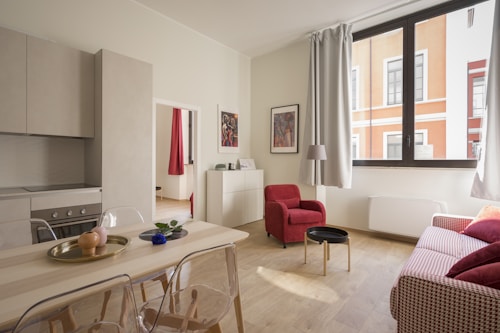
Tsuchiura is significantly more affordable than Tokyo. Many students rent private apartments near the university. A standard one-bedroom (1K) apartment in Tsuchiura costs between 35,000 and 50,000 JPY per month, which is nearly half the price of similar housing in Shinjuku or Shibuya. The university's student affairs office assists international students in finding guarantor-friendly housing.
Location and Accessibility
Tsuchiura is a historic city located on the shores of Lake Kasumigaura, the second-largest lake in Japan. It is famous for its lotus roots and the Tsuchiura All Japan Fireworks Competition.
- Transportation: The city is served by the JR Joban Line. You can reach Ueno Station in central Tokyo in about 45 to 60 minutes via the 'Hitachi' or 'Tokiwa' limited express trains, or roughly 70 minutes by local train.
- Tsukuba Science City: A short bus or car ride away is Tsukuba City, a global hub for research and development. This proximity allows TIU students to tap into a broader scientific community and enjoy the amenities of a modern, internationalized city.
📈 Career Prospects and Path to Residency
One of the most compelling reasons to choose Tsukuba International University is the clear path to employment. Japan is currently facing a chronic shortage of medical professionals.
1. Job Placement Rate
TIU boasts a near 100% job placement rate for graduates who pass their national exams. Hospitals and clinics across Japan actively recruit from the university because TIU graduates are known for being 'field-ready.'
2. Working in Japan Post-Graduation
For international students, securing a job in a Japanese hospital as a licensed nurse or therapist usually guarantees a work visa (specifically the 'Medical Services' or 'Specialist in Humanities/International Services' categories). After working for several years, this can lead to Permanent Residency, making TIU a viable gateway for long-term settlement in Japan.
3. Networking
The university’s alumni network is strongly rooted in the Kanto region’s medical community. During clinical placements, students often build relationships with head nurses and hospital administrators, which frequently leads to job offers before graduation.
🔍 Admissions Guide for International Applicants
Applying to TIU requires careful planning, especially regarding the timing of Japanese language acquisition.
Application Requirements
- Education: Completion of 12 years of formal education in your home country.
- Japanese Proficiency: Proof of JLPT N2 or EJU (Examination for Japanese University Admission for International Students) scores in the Japanese language subject (usually 200+ points excluding writing).
- Entrance Exam: The university conducts its own entrance exam, which typically includes a Japanese language test, a basic subject test (like Biology or Math), and a personal interview.
- Interview: The interview is critical. The faculty looks for candidates who are not only academically capable but also have the temperament suited for healthcare, such as patience, communication skills, and a desire to help others.
Important Dates
Most applications for international students are accepted between October and January for an April start. It is highly recommended to visit the campus during an 'Open Campus' event in the summer to meet professors and current students.
💡 Why Choose Tsukuba International University?
Choosing a university is about finding the right fit for your career goals. Tsukuba International University is ideal for students who:
- Are focused on healthcare: This is not a general-interest university. It is for those who know they want to be nurses, therapists, or lab technicians.
- Prefer a focused environment: Tsuchiura offers fewer distractions than Tokyo, allowing for the intensive study required to pass national licensing exams.
- Value practical experience: The university's strong ties to regional hospitals mean you will spend a significant amount of time in real-world clinical settings.
- Seek long-term careers in Japan: The university provides a direct pipeline into a high-demand sector of the Japanese economy.
In conclusion, Tsukuba International University offers a specialized, high-quality education that bridges the gap between international students and the Japanese professional medical world. While the academic rigor is high and the language requirements are strict, the reward is a stable, respected, and fulfilling career in one of the most advanced healthcare systems in the world.
Related study abroad guides
Was this page helpful?
Your feedback helps us improve our guides
Related guides
 Budget
Save with Japanese Budgeting Apps: Money Forward ME vs Zaim for Students
 Housing
Find Apartments in Japan: Complete SUUMO, Homes, Apaman Shop Guide
Housing
Student Housing in Japan: Dorms vs Share Houses vs Apartments 2026
Budget