Hiroshima International University
555-36 Kurose-Gakuendai, Higashihiroshima, Hiroshima 739-2695, Japan
🏫 University Overview
Established in 1998, Hiroshima International University (Hiroshima Kokusai Daigaku, or HIU) is a private institution located in the scenic and culturally rich Hiroshima Prefecture, Japan. Rooted in the educational philosophy of "fostering professionals who can contribute to human health, medical progress, and social welfare," HIU has established itself as one of the premier private universities in western Japan specialized in healthcare, clinical sciences, and social services.
HIU operates across two primary campuses: the expansive Kurose Campus in the peaceful, nature-rich city of Higashihiroshima, and the urban Hiroshima Campus located in the heart of Hiroshima City. The university provides an immersive, specialized environment where international students can master cutting-edge medical technologies, clinical care techniques, and advanced pharmacy systems. Unlike broad-based liberal arts institutions, HIU is dedicated to producing certified healthcare practitioners, offering a rigorous and highly practical curriculum that aligns directly with Japan's advanced healthcare sector and national licensing standards.
🎓 Academic Offerings & Specialized Faculties
HIU’s academic structure is specifically tailored to meet the challenges of an aging global society. The university comprises five core faculties, each focusing on specialized branches of medical and social sciences:
- Faculty of Health Sciences: This faculty prepares students for vital technical roles in modern medicine. It includes departments such as Medical Technology, Clinical Engineering, and Radiological Technology. Students train using state-of-the-art diagnostic equipment equivalent to that found in top-tier university hospitals.
- Faculty of Comprehensive Rehabilitation: Covering Physical Therapy, Occupational Therapy, and Speech-Language-Hearing Therapy, this faculty focuses on the restoration of physical and cognitive functions. It emphasizes hands-on clinical practice and empathetic patient communication.
- Faculty of Health and Social Services: Bridging medical care and social welfare, this faculty offers programs in Medical Welfare, Clinical Psychology, and Emergency Medical Services. It trains professionals who can navigate both the psychological and administrative sides of healthcare.
- Faculty of Pharmacy: A prestigious six-year program designed to train highly competent pharmacists. It features advanced laboratory environments and comprehensive training in pharmacotherapy, safety management, and clinical research.
- Faculty of Nursing: Focusing on high-quality clinical nursing, this program prepares students for the rigorous Japanese National Nursing Examination through high-fidelity simulations and intensive hospital placements.
🤝 The Power of Interprofessional Education (IPE)
One of the defining features of Hiroshima International University is its pioneering approach to Interprofessional Education (IPE). In modern medical environments, patients are cared for not by a single doctor, but by a cohesive team of doctors, nurses, pharmacists, physical therapists, and social workers. This is known as "Team Medicine" (Team Iryo).
HIU simulates this professional ecosystem on campus. Students from different faculties work collaboratively on clinical case studies, joint simulations, and community health projects. By learning alongside future peers from other healthcare disciplines, international students develop a holistic understanding of patient care, enhance their cross-disciplinary communication skills, and learn to respect different clinical perspectives—giving them a massive competitive edge in the job market.
🌐 Comprehensive Support for International Students
HIU recognizes that studying medical sciences in a foreign language is a monumental challenge. To support international scholars, the university offers robust academic and lifestyle frameworks:
- Japanese Medical Language Training: Standard Japanese language skills (JLPT N2/N1) are rarely sufficient for professional clinical settings. HIU provides specialized medical Japanese tutoring to help students master complex anatomical terms, pharmaceutical nomenclature, and polite patient interaction (Keigo in medical contexts).
- The International Center: Serves as a dedicated hub for administrative, visa, and lifestyle assistance. They organize cultural exchange programs, local home-stays, and peer-support systems where Japanese senior students mentor international newcomers.
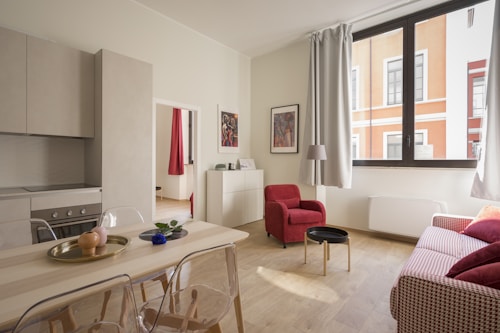
- Modern On-Campus Housing: Safe and affordable dormitory options are available close to the Kurose Campus. These residences are fully furnished and provide an ideal environment for international students to integrate with domestic peers and establish a stable life in Japan.
💰 Tuition, Fees, and Scholarship Frameworks
While private medical education in Japan can be costly, HIU offers several financial mitigations to make specialized education accessible:
- Admission Fee: 250,000 JPY (payable only in the first year as an enrollment fee).
- Annual Tuition: Approximately 1,400,000 JPY (varies by faculty, with Pharmacy being higher due to lab materials and a 6-year track).
- Tuition Reduction Scheme: Qualified international students can receive a 30% to 50% tuition reduction based on academic merit and financial need.
- External Scholarships: HIU actively helps students apply for prestigious external funding, including the JASSO Honors Scholarship and local Hiroshima-based corporate foundations.
- Affordable Cost of Living: Living in Higashihiroshima is significantly cheaper than in Tokyo or Osaka. Monthly expenses (including rent, utilities, and food) typically range between 70,000 JPY and 100,000 JPY.
🚀 Career Integration and National Licensing
For international students wishing to build a long-term career in Japan, HIU offers an unparalleled pathway. The Japanese healthcare sector faces chronic labor shortages due to rapid demographic aging, making skilled foreign graduates highly sought after.
- National License Preparation: HIU boasts exceptional national exam pass rates for nursing, physical therapy, and pharmacy. The university provides targeted preparatory seminars, mock exams, and customized tutoring to ensure international students can overcome the language barrier in national examinations.
- Dedicated Career Center: Offers customized job-hunting strategies, interview coaching for hospitals, resume editing, and on-campus recruitment fairs featuring major healthcare groups, pharmaceutical companies, and welfare corporations across Japan.
- High Placement Rate: HIU maintains a near-100% post-graduation employment rate for students who pass their licensing exams.
📝 Admission Requirements & Process
To secure admission as an international student, applicants must demonstrate both academic competence and high-level Japanese proficiency:
- Language Proficiency: A minimum of JLPT N2 (N1 is highly recommended, especially for Nursing, Pharmacy, and Rehabilitation programs where clinical communication is vital).
- EJU (Examination for Japanese University Admission): Applicants must take specified subjects (usually Japanese as a Foreign Language, and depending on the faculty, Science subjects like Biology/Chemistry).
- University Entrance Examination: Consists of a document review, a specialized essay exam (written in Japanese), and a rigorous interview conducted by faculty professors to assess motivation, empathy, and communication skills.
🗺️ Campus Environments & Accessibility
- Kurose Campus (Higashihiroshima): Located in a peaceful, natural environment conducive to rigorous academic focus. It features vast, state-of-the-art facilities, extensive research laboratories, and outdoor athletic amenities. It is connected to major local train stations via dedicated shuttle buses.
- Hiroshima Campus (Hiroshima City): Located near the vibrant center of Hiroshima, this campus offers urban convenience and is located close to premier medical institutions, allowing easy access for clinical rotations and urban living.
Related study abroad guides
Was this page helpful?
Your feedback helps us improve our guides
Related guides
 Budget
Save with Japanese Budgeting Apps: Money Forward ME vs Zaim for Students
 Housing
Find Apartments in Japan: Complete SUUMO, Homes, Apaman Shop Guide
Housing
Student Housing in Japan: Dorms vs Share Houses vs Apartments 2026
Budget