Working at an Izakaya: Speed and Social Skills
Mastering 'Irrashaimase' and taking complex orders.

Working at an Izakaya: Speed and Social Skills
For international students in Japan, finding the perfect part-time job (baito) is a balancing act. You need something that fits around your university lectures, helps pay your rent, improves your Japanese, and ideally doesn't require decades of professional experience. Enter the izakaya (Japanese gastropub).
Working at an izakaya is one of the most popular, fast-paced, and culturally immersive jobs available to students. It is an environment where your language skills will skyrocket, your multitasking abilities will be pushed to their limits, and you will build deep bonds with coworkers over free post-shift meals.
This guide breaks down exactly what it is like to work in a busy Japanese izakaya, the key social and organizational skills you will master, and how to successfully land your first shift.
1. The High-Energy Reality of Izakaya Work
An izakaya is not a quiet café or a solemn library. It is a vibrant, loud, and sensory-filled social hub where groups of friends, colleagues, and travelers come to unwind after a long day. As a staff member, you are not just a server; you are part of the evening’s entertainment and atmosphere.
The Role of "Genki" (Loud Energy)
The moment a customer steps through the sliding doors of an izakaya, the entire staff—whether they are at the front door, pouring drinks behind the bar, or frying yakitori in the back kitchen—must shout in unison: "Irasshaimase!" (Welcome!).
This is not a polite whisper. It is a full-throated, energetic call designed to make the customers feel welcomed and to inject energy into the room. In Japanese hospitality, this high-energy vibe is called being genki.
If you are naturally shy, this can feel intimidating at first. However, international students frequently report that this aspect of the job is incredibly liberating. It builds vocal confidence, forces you out of your comfort zone, and teaches you how to project authority and warmth simultaneously.
Hall Staff vs. Kitchen Staff
When applying, you will generally choose between two main paths:
| Feature | Hall Staff (ホール - Hōru) | Kitchen Staff (キッチン - Kicchin) |
|---|---|---|
| Primary Focus | Customer service, taking orders, carrying food, clearing tables, processing payments. | Preparing ingredients, cooking, plating dishes, washing dishes. |
| Japanese Level Required | Intermediate to Advanced (JLPT N3 or higher recommended). | Basic to Intermediate (JLPT N4/N5 is often sufficient). |
| Key Skill Developed | Polite Japanese honorifics (Keigo), social confidence, dispute resolution. | Culinary techniques, speed, precision, food hygiene standards. |
| Social Interaction | Extremely high (constant contact with customers and colleagues). | Medium (interaction is mostly limited to other kitchen staff). |
2. Memorizing the Menu and Mastering Complex Orders
The biggest hurdle for any new izakaya worker is the menu. Unlike Western restaurants where menus are relatively static, izakaya menus are notoriously complex, featuring dozens of small plates, seasonal specials, and highly customizable drink options.
The Challenge of the Nomihoudai (All-You-Can-Drink)
Many izakayas survive on nomihoudai packages. During a two-hour limit, customers can order unlimited drinks. This means you will be running constantly, carrying trays of draft beers (nama-biiru), highballs, sour cocktails (sawaa), and hot or cold sake (nihonshu).
To survive the rush, you must memorize:
* Drink modifications: Is the sake hot (atsukan) or cold (reishu)? Is the highball made with ginger ale or club soda?
* Yakitori variations: When customers order chicken skewers, you must ask: "Tare ka shio ka?" (Sweet soy glaze or salt?).
* Seasonal changes: Menus change with the seasons (e.g., hot pot nabe in winter, cold edamame and sashimi variations in summer).
[Example Customer Interaction]
Customer: "Sumimasen! Nama-biiru futatsu to, yakitori moriawase o kudasai."
(Excuse me! Two draft beers and an assorted yakitori platter, please.)
Staff: "Kashikomari-mashita. Yakitori wa tare to shio, dochira ni shimasu ka?"
(Understood. Would you like the yakitori with glaze or salt?)
Digital Ordering vs. Traditional Hand-Written Pads
While many modern chain izakayas use iPads or QR-code ordering systems, many traditional, local establishments still rely on hand-written order pads (伝票 - denpyō). Writing down orders in rapid, handwritten Japanese shorthand is an elite skill. If you work at a place that uses digital ordering, your job will be significantly easier, allowing you to focus on delivery speed and customer interaction rather than deciphering kanji under pressure.
3. The Golden Benefit: Saving Money with 'Makanai'
For an international student living on a tight budget in major cities like Tokyo, Osaka, or Kyoto, food costs can quickly add up. This is where one of the greatest perks of working in the Japanese food service industry comes in: Makanai (まかない).
What is Makanai?
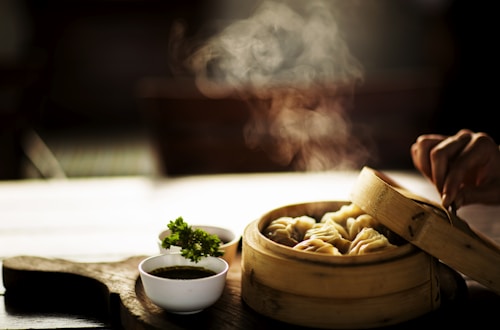
Makanai refers to the free or heavily discounted meals provided to restaurant staff before or after their shifts. In most izakayas, the kitchen staff will whip up a large, nutritious meal for the team using surplus ingredients or specialized staff-only recipes.
How Makanai Saves Your Budget (Monthly Estimate):
Assume you work 4 shifts a week (16 shifts a month).
Average cost of a decent meal in Tokyo: 700 JPY.
16 shifts x 700 JPY = 11,200 JPY saved per month!
Plus, you save time on meal prep and grocery shopping.
The Culinary and Social Perks
- Authentic Home Cooking: Unlike standard restaurant food, makanai is often classic Japanese comfort food—think Katsu Curry, Oyako-don (chicken and egg over rice), stir-fried pork ginger (Shogayaki), or rich miso soups.
- Building Team Camaraderie: Sitting down together to eat makanai after a exhausting Friday night rush is where real friendships are forged. Your Japanese coworkers will relax, drop their professional politeness, and chat with you in casual Japanese, offering the ultimate real-world language practice.
4. Key Japanese Phrases You Must Know
Before you step onto the floor for your first shift, you must master the fundamental phrases of Japanese customer service (Keigo). Customers expect polite, standard formulas, and using them correctly instantly demonstrates your competence.
Use this checklist to practice your pronunciation and usage:
| Japanese Phrase (Hiragana/Kanji) | Romaji | English Meaning | When to Use It |
|---|---|---|---|
| いらっしゃいませ! | Irasshaimase! | Welcome! | Shout this whenever a customer enters the shop. |
| 少々お待ちください。 | Shōshō omachi kudasai. | Please wait a moment. | Use when you need to check something or get help. |
| お待たせいたしました。 | Omatase itashimashita. | Thank you for waiting. | Say this as you place food or drinks on the table. |
| かしこまりました。 | Kashikomarimashita. | Certainly / Understood. | Use instead of "Hai" when accepting an order. |
| 失礼いたします。 | Shitsurei itashimasu. | Excuse me. | Say this when entering a booth or clearing plates. |
| ありがとうございました! | Arigatou gozaimashita! | Thank you very much! | Shout this with a deep bow when customers leave. |
5. Visa Regulations, Hourly Wages, and Finding a Job
Working in Japan as an international student comes with strict legal boundaries. You must ensure you are compliant with immigration laws before you apply for any position.
The 28-Hour Rule (Shikakugai Katsudo Kyoka)
As a holder of a Student Visa, your primary purpose in Japan is study. To work part-time, you must obtain a stamp on the back of your residence card called "Permission to Engage in Activity Other Than That Permitted Under the Status of Residence Previously Granted".
- Weekly Limit: You are legally allowed to work a maximum of 28 hours per week during normal school semesters.
- Holidays: During official long university vacations (such as summer or winter break), this limit is extended up to 40 hours per week (8 hours per day).
- Prohibited Places: You are strictly forbidden from working in adult entertainment establishments, host/hostess clubs, or gambling parlors (including pachinko parlors). Standard izakayas are perfectly legal, but establishments with hostess services are off-limits.
Hourly Wages and Regional Variations
Wages in Japan have been steadily rising, especially in service sectors facing labor shortages. Your hourly wage will depend heavily on your location and the time of your shift.
- Tokyo & Kanagawa: 1,200 JPY to 1,400 JPY per hour.
- Osaka & Kyoto: 1,100 JPY to 1,250 JPY per hour.
- Fukuoka, Sapporo, & Rural Areas: 1,000 JPY to 1,150 JPY per hour.
- Late-Night Premium: Under Japanese labor law, hours worked between 10:00 PM and 5:00 AM receive a mandatory 25% premium increase. For example, a base rate of 1,200 JPY becomes 1,500 JPY after 10 PM.
6. How to Apply and Ace the Izakaya Interview
Ready to take the plunge? Getting hired at an izakaya is highly achievable if you present yourself as reliable, energetic, and eager to learn.
Step-by-Step Application Process:
1. Prep your Japanese CV (Rirekisho) with a professional photo.
2. Search on job apps (TownWork, Baitoru, or Indeed Japan).
3. Call or apply online to schedule an interview (Mentsetsu).
4. Attend the interview in clean, neat casual wear.
5. Receive your results (usually within 3 to 7 days).
Writing Your Rirekisho (Japanese Resume)
You can buy standard Rirekisho templates at any convenience store or download them online. Fill it out neatly using black ink.
* Self-Promotion (Jiko PR): Focus on your stamina, adaptability, and desire to improve your Japanese.
* Availability: Clearly state which days and hours you can work. Izakayas desperately need staff on Friday and Saturday nights; listing yourself as available for weekend night shifts will instantly double your chances of being hired.
Common Interview Questions to Prepare For
During the interview (Mentsetsu), the manager is primarily testing your basic conversational Japanese ability and your attitude. They want to see if you can handle stress and if you have a bright personality.
- "Naze kono mise de hatarakitai desu ka?" (Why do you want to work at this shop?)
- Good Answer: "I love the energetic atmosphere of this izakaya, and I want to improve my Japanese communication skills while working hard in a team."
- "Shu ni nannichi, nan-jikan hatarakemasu ka?" (How many days and hours can you work per week?)
- Good Answer: Be honest but flexible. "I can work 3 days a week, mostly on Thursday, Friday, and Saturday evenings, for about 5 hours per shift."
- "Isogashii toki demo daijoubu desu ka?" (Are you okay when it gets busy?)
- Good Answer: "Yes! I enjoy active, fast-paced work and I am good at staying calm under pressure."
Working at an izakaya is more than just a way to make rent; it is an active, living classroom. By diving into the high-octane world of Japanese food service, you will emerge with fluent conversational skills, lifelong friends, a deep appreciation of Japanese work culture, and memories that will define your study abroad journey. Pack your comfortable shoes, practice your loudest Irasshaimase, and get ready for an unforgettable experience!
Related study abroad guides
Was this page helpful?
Your feedback helps us improve our guides
Related schools


Related guides
 Budget
Build Your PC in Akihabara: Tsukumo, Dospara, Ark - Student Guide 2026
Budget
Save with Japanese Budgeting Apps: Money Forward ME vs Zaim for Students
 Visa
Visa
My COE was Denied: What to Do Next? A Comprehensive Guide to Re-application
 Housing