KAI Japanese Language School
東京都新宿区大久保1-15-18 みゆきビル3F
🏫 1) School Overview & Philosophy
If you are looking for a Japanese language school that breaks away from traditional, dry rote-memorization and instead prioritizes active communication and modern digital learning, KAI Japanese Language School (カイ日本語スクール) is one of Tokyo's most compelling options. Founded with a vision to foster true global communication, KAI has built a stellar international reputation by focusing on what they call "High-level Conversational Competency."
Located on the 3rd floor of the Miyuki Building (1-15-18 Okubo, Shinjuku-ku, Tokyo), KAI sits in the heart of Tokyo's most vibrant and multicultural neighborhood. While many language schools in Japan cater exclusively to students from a single geographic region, KAI purposefully curates a diverse student body. With a cozy and highly manageable student capacity of 280, the school avoids the impersonal, "factory-like" atmosphere of giant institutions. Instead, it provides a boutique, high-touch educational environment where teachers, staff, and students genuinely know each other by name.
KAI's philosophical cornerstone is "The KAI Method." Rather than forcing students to passively translate passages or memorize kanji in a vacuum, the school designs its curriculum around real-world situational output. The goal is simple yet ambitious: to equip you with the linguistic flexibility and psychological confidence to navigate professional meetings, academic seminars, and casual social gatherings in Japanese. If you want to study in a fast-paced, highly engaging environment where technology and modern pedagogy meet, KAI is designed for you.
📚 2) Courses, Curriculum & Teaching Style
At the core of KAI’s academic offerings is the Comprehensive Japanese Course, which is split into Morning and Afternoon sessions depending on your proficiency level and class availability. This structured, immersive curriculum is designed to take students from absolute beginner levels to advanced corporate-ready proficiency.
Below is the tuition and entry schedule details for KAI's main courses:
| Course Name | Admission Months | Total Fees (JPY) |
|---|---|---|
| General Japanese Course - Morning Class (日本語総合コース午前クラス) |
April, July, October, January | ¥1,640,000 |
| General Japanese Course - Afternoon Class (日本語総合コース午後クラス) |
April, July, October, January | ¥1,640,000 |
Note: Tuition and fees are subject to change by the institution. Always confirm current term structures directly with the school during your application process. The total fees listed represent the standard multi-term comprehensive investment.
The KAI Method & Digital Integration
KAI was a pioneer in integrating digital tools into the Japanese language classroom. Long before digital learning became a necessity, KAI adopted a digital-first curriculum, utilizing tablets (such as iPads) and custom-developed digital materials to make lessons dynamic. Instead of carrying heavy stacks of paper textbooks, you will interact with multimedia content, complete collaborative digital projects, and receive immediate feedback from your instructors.
Small-to-Medium Class Sizes
With a total student capacity of only 280, KAI ensures that class sizes remain small-to-medium. This allows instructors to implement personalized feedback loops. In a typical class, you will participate in pair-work, active role-plays, and group discussions rather than listening to a teacher lecture at a blackboard. This interactive structure ensures that even quieter students are encouraged to speak, present, and actively use the language daily.
👥 3) Student Body & Campus Life
Studying at KAI puts you right in the middle of Okubo, Shinjuku—Tokyo's ultimate international enclave. Just a short walk from Shin-Okubo Station (Yamanote Line) and Okubo Station (Chuo-Sobu Line), the school’s physical location offers unparalleled convenience.
The Vibe of Shinjuku-Okubo
The Miyuki Building is surrounded by a bustling neighborhood famous for its incredible food scene, featuring Tokyo's premier Koreatown, diverse South Asian markets, trendy cafes, and affordable dining options. It is an incredibly energetic place to spend your student years. Within a 15-minute walk, you can reach the towering skyscrapers of Nishi-Shinjuku, the lush greenery of Toyama Park, or the massive transit hub of Shinjuku Station itself.
A Truly International Microcosm
Unlike schools where 90% of the student body hails from one country, KAI attracts learners from dozens of nations across Europe, North and South America, Asia, and Oceania. This global mix means that the common language outside of class is almost always Japanese. You will practice your newly acquired vocabulary during breaks, at lunch, and during school-organized social events.
Campus life at KAI is designed to build cross-cultural connections. The school frequently hosts seasonal events, cultural exchange sessions, and local neighborhood excursions, allowing you to experience Japanese culture in a highly social, supportive setting.
🎓 4) University & Career Pathways
While KAI is famous for its communicative approach, it is also a highly effective springboard for academic and professional advancement in Japan. The school features Dedicated EJU (Examination for Japanese University Admission for International Students) and Higher Education Preparation Tracks to guide students aiming for Japanese universities, graduate schools, and vocational colleges (senmon gakko).
Higher Education Support
For students aiming for higher education, KAI offers:
* Targeted prep classes for the JLPT (Japanese Language Proficiency Test) levels N2 and N1.
* Dedicated tutoring for the EJU, including preparation for interview panels and essay writing.
* One-on-one academic counseling to help you choose the right university or vocational school that fits your long-term goals.
Career Pathways & Professional Japanese
Because KAI graduates are known for their high spoken fluency and pragmatic communication skills, they are highly regarded by Japanese employers. The school supports career-minded students by offering advice on resume writing in Japanese, practicing business etiquette, and conducting mock job interviews. If you plan to transition directly into the Japanese corporate world, KAI’s emphasis on proactive communication and digital literacy gives you a distinct advantage over candidates who have only learned passive grammar rules.
💡 5) Practical Tips for Applicants
Planning your transition to KAI Japanese Language School requires careful preparation. Here are some essential insider tips to help make your application and move as smooth as possible:
- Plan Around the Four Intake Windows: KAI accepts student cohorts four times a year—in April, July, October, and January. For student visa applicants, the application process must begin roughly 5 to 6 months before your target start date due to Japanese immigration processing timelines.
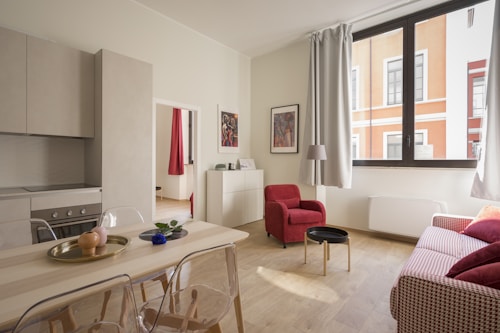
- Budgeting for Shinjuku Living: Living in the heart of Tokyo is incredibly exciting, but rent and living costs in the Shinjuku/Okubo area can be higher than in outer suburbs. Plan to budget around ¥80,000 to ¥120,000 per month for rent and utilities if you choose to live in a private apartment or shared house nearby. KAI can provide recommendations for student dormitories, share houses, and homestays.
- Embrace the Digital Requirements: Because KAI relies heavily on its digital curriculum, make sure you check their hardware specifications before arriving. You will need to bring or rent a compatible tablet/device to access your coursework, participate in projects, and utilize the school’s digital materials.
- Leverage Your Free Time Wisely: Shinjuku is a massive hub of economic and social activity. If your visa permits part-time work (up to 28 hours per week with permission), Okubo and Shinjuku offer endless part-time job opportunities in hospitality, retail, and language instruction. Use these opportunities to practice the conversational skills you learn in class in a real-world setting!
Related study abroad guides
Was this page helpful?
Your feedback helps us improve our guides
Nearby housing


Related guides
 Budget
Save with Japanese Budgeting Apps: Money Forward ME vs Zaim for Students
 Housing
Find Apartments in Japan: Complete SUUMO, Homes, Apaman Shop Guide
Housing
Student Housing in Japan: Dorms vs Share Houses vs Apartments 2026
Budget