Kyoto Bunka Japanese Language School
京都府京都市左京区北白川瓜生山2-116
🏫 School Overview & Philosophy
Nestled at the foot of Mount Uryu (Uryuyama) in Kyoto’s vibrant, intellectual Sakyo Ward, Kyoto Bunka Japanese Language School (京都文化日本語学校) stands out as a premier institution for students who want to merge rigorous academic Japanese preparation with creative and cultural immersion. Located at 2-116 Kitashirakawa Uryuyama, Sakyo-ku, the school shares its stunning, green campus environment with the prestigious Kyoto University of the Arts. This unique positioning makes it an extraordinary academic hub, particularly for international students who are passionate about design, traditional crafts, fine arts, and modern Japanese pop culture.
With a carefully managed capacity of 320 students, Kyoto Bunka avoids the crowded, factory-like feel of larger metropolitan schools. Instead, it offers a supportive, community-centric environment where instructors, administrators, and peers know each other by name. The school’s philosophy goes far beyond basic rote memorization; it focuses on "living Japanese." By integrating Kyoto's deep historical legacy, local university networks, and modern artistic trends directly into its educational model, the school helps students build natural communication skills that are highly effective in both academic and professional spheres.
Sakyo Ward itself is legendary among university students in Japan. As Kyoto's academic core—home to prestigious national universities and creative arts institutions—the surrounding neighborhood is filled with student-friendly cafes, iconic indie bookstores, historic shrines, and peaceful natural spots like the Kamogawa River. For students who want to study in Japan’s cultural capital while maintaining a serious focus on higher education or artistic progression, Kyoto Bunka offers an unmatched geographical and philosophical home.
📚 Courses, Curriculum & Teaching Style
Kyoto Bunka’s curriculum is meticulously structured to accommodate students aiming for academic excellence, professional career paths, or entry into Japan’s competitive art and design universities. The core academic program is the Comprehensive Japanese Course (総合日本語学科), designed to take students from absolute beginner levels to advanced academic fluency.
Below is the primary course structure and associated tuition data:
| Course Name (Japanese) | Course Name (English) | Admission Month(s) | Total Program Fees (JPY) |
|---|---|---|---|
| 総合日本語学科 | Comprehensive Japanese Course | April, October | ¥1,608,000 |
Note: The total program fees of ¥1,608,000 represent the comprehensive tuition, facilities, and material fees as listed in official school pathways. Always verify potential short-term adjustments or installment payment schedules directly with the admissions office during your application phase.
🎓 A Specialized Art & Design Pathway
What truly sets Kyoto Bunka apart from standard language schools is its Specialized Art & Design Preparation. Because of its deep administrative and spatial ties to Kyoto's creative networks, the school offers custom guidance for students wishing to enter Japanese art universities (such as Kyoto University of the Arts, Kyoto Saga University of Art, Tama Art University, or Musashino Art University).
Students in this pathway receive tailored advice on:
- Crafting a compelling artistic portfolio (Portofolio Prep)
- Writing the artistic statement of purpose in advanced Japanese
- Interview preparation, specifically focused on expressing creative intent, artistic influences, and conceptual projects
- Mastering specialized vocabulary used in design, art history, and workshop environments
📝 The Comprehensive EJU Pathway
For students aiming for traditional academic universities (such as Kyoto University, Doshisha University, Ritsumeikan University, or other high-ranking public and private institutions), the school provides a Comprehensive EJU (Examination for Japanese University Admission) Pathway. This pathway includes structured preparation for the Japanese as a Foreign Language subject, alongside targeted practice for the essay writing, reading comprehension, and listening-reading comprehension sections. Teachers employ interactive methodologies, encouraging group discussions, debate, and academic presentations to ensure that students do not just pass written tests, but can actively participate in university-level seminars.
🌸 Student Body & Campus Life
The campus life at Kyoto Bunka Japanese Language School is distinctly vibrant, fueled by the young, artistic energy of Sakyo Ward. The student body is a diverse mix of international learners from various corners of Asia, Europe, and the Americas, united by their dedication to language learning and their fascination with Japanese culture.
🏠 Guaranteed Dormitory Accommodation
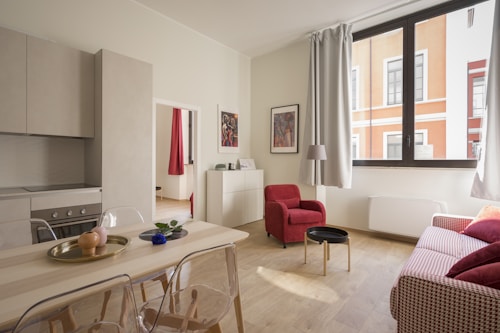
One of the most significant challenges for international students moving to Kyoto is securing safe, affordable, and convenient housing. Kyoto Bunka eliminates this stress by offering Guaranteed Dormitory Accommodation for its students. These dormitories are located within easy commuting distance of the campus, providing clean, secure, and fully-equipped living spaces. Living in the school dorms offers an instant community, allowing you to cook, study, and explore Kyoto with classmates from different cultural backgrounds, dramatically easing the transition to life in Japan.
🎨 Active Campus Integration
Because the school is located alongside Kyoto University of the Arts, language students are not isolated in a separate, insulated building. You will share campus facilities, cafes, libraries, and common areas with Japanese art students. This daily exposure creates natural opportunities for language exchange, collaborative projects, and genuine friendships with local Japanese youth.
Throughout the year, the school organizes cultural immersion programs, taking full advantage of Kyoto's 1,200-year history. Students can participate in:
- Traditional tea ceremonies and Zen meditation sessions
- Local Kyoto festival visits (such as Gion Matsuri or Jidai Matsuri)
- Excursions to historic temples like Ginkaku-ji (The Silver Pavilion) and Honen-in, which are located nearby in the Sakyo area
- Art gallery visits and collaborative student exhibitions
🎓 University & Career Pathways
Graduating from Kyoto Bunka Japanese Language School opens doors to a wide array of prestigious academic and professional routes across Japan. The school’s dedicated career counseling department works individually with each student to map out their future long before graduation day.
🏛️ University Recommendation System (Suisen)
Due to its outstanding reputation and long-standing academic relationships, Kyoto Bunka holds designated recommendation agreements (指定校推薦, shiteikou suisen) with various private universities and vocational schools throughout Kyoto and the Kansai region. Exceptional students with high attendance rates and strong academic records can transition into these universities with simplified entrance examinations or waived admission fees.
💼 Generous Scholarship Opportunities
To ease the financial commitment of long-term study, Kyoto Bunka offers access to several Generous Scholarship Opportunities. These include:
- Monbukagakusho (MEXT) Honors Scholarships: Awarded to privately financed international students with outstanding academic performance and high scores on the EJU.
- Internal School Scholarships: Awarded to exemplary students who demonstrate academic diligence, near-perfect attendance, and active participation in campus life.
- Artistic Achievement Awards: Specialized support mechanisms for highly promising art and design track students.
Graduates who choose not to pursue further university education frequently find pathways into Kyoto's thriving tourism, traditional craft, international trade, or language services sectors, capitalizing on their high-level business Japanese skills developed during the Comprehensive Japanese Course.
📝 Practical Tips for Applicants
If you are ready to take the leap and apply to Kyoto Bunka Japanese Language School, keeping these practical, strategic tips in mind will ensure a smooth transition:
- Plan Your Admission Month Wisely:
- April Intake (24-Month Program): Ideal for absolute beginners or lower-intermediate students who want a comprehensive, two-year runway to reach JLPT N1, compile an extensive art portfolio, or complete comprehensive EJU prep.
-
October Intake (18-Month Program): Perfect for students who already possess a basic foundation in Japanese (N5/N4 equivalent or higher) and want a focused, faster-paced preparation period before university entry.
-
Prepare Your Portfolio Early (For Art Students):
-
If you plan to leverage the Specialized Art & Design Preparation, bring your existing portfolio, sketches, digital art files, or design concept notes with you to Japan. Having raw material ready allows your advisors to start refining your presentation from your very first term.
-
Leverage the Guaranteed Dormitory Benefit:
-
When submitting your initial application documents, make sure to indicate your interest in the guaranteed dormitories immediately. Rooms are highly sought after, and securing your spot early ensures you won't have to deal with third-party real estate agencies, key money, or guarantor requirements from abroad.
-
Budgeting for Kyoto Living:
-
While the tuition for the Comprehensive Japanese Course (¥1,608,000) is a major investment, living in Kyoto is significantly more affordable than living in Tokyo. Monthly rent, fresh groceries, and dining out in Sakyo Ward's student neighborhoods are highly cost-effective, allowing your budget to stretch much further.
-
Keep Up Your Attendance:
- Both Japanese Immigration and the school's scholarship boards place immense value on your daily attendance rate. Aiming for 95% or higher attendance not only ensures your visa remains in excellent standing but also positions you perfectly for recommendation letters and financial scholarship programs benefits and financial awards, and and makes you eligible for school recommendation programs.
Related study abroad guides
Was this page helpful?
Your feedback helps us improve our guides
Related guides
 Budget
Save with Japanese Budgeting Apps: Money Forward ME vs Zaim for Students
 Housing
Find Apartments in Japan: Complete SUUMO, Homes, Apaman Shop Guide
Housing
Student Housing in Japan: Dorms vs Share Houses vs Apartments 2026
Budget