Mitsumine Career Academy Japanese Language Course
東京都新宿区北新宿4-1-1 第三山廣ビル
Study at Mitsumine Career Academy Japanese Language Course (MCA)
Choosing the right Japanese language school in Tokyo is one of the most critical decisions you will make on your academic journey. If you are aiming for higher education in Japan—whether that means entering a prestigious university, a graduate program, or a specialized vocational school—Mitsumine Career Academy (MCA) in Tokyo's bustling Shinjuku district stands out as an exceptional, highly structured gateway.
With a robust capacity of 700 students, MCA balances a large-scale, resource-rich academic environment with a deeply personalized support system. Let’s dive into what makes this institution unique, how its curriculum is structured, and how you can plan your pathway to success.
🏫 1. School Overview & Philosophy
Mitsumine Career Academy Japanese Language Course (commonly known as MCA) has spent decades building a stellar reputation as a premier preparatory academy. Located in the vibrant, highly accessible neighborhood of Kita-Shinjuku, the school is positioned perfectly for students who want to immerse themselves in Tokyo's global atmosphere while maintaining a focus on intense academic progression.
The Shinjuku Advantage
Sitting in Shinjuku-ku means you are at the absolute center of Tokyo’s transportation network, cultural hubs, and commercial life. The campus is walkable from major stations like Okubo, Shin-Okubo, and Shinjuku itself. This central location makes it incredibly convenient to commute from various parts of Tokyo and offers unmatched access to part-time job opportunities, bookstores, libraries, and university campuses. Unlike schools located in quiet rural areas, MCA puts you directly in touch with the fast-paced flow of modern Japanese society.
Philosophy of "Language for the Future"
MCA's core philosophy centers on the belief that language learning is not merely about memorization or passing JLPT tests, but about equipping students with the real-world communication tools, cultural empathy, and critical thinking skills needed to thrive in Japanese higher education and corporate environments. With a capacity of 700 students, the school maintains a diverse and energetic student body, yet organizes classes into tight, capability-based levels so that no individual student is left behind.
📖 2. Courses, Curriculum & Teaching Style
MCA offers a highly structured suite of courses designed to match different academic timelines and entry windows. Whether you need a full two years to build your Japanese skills from scratch or a rapid-fire one-year preparation course, MCA has an option tailored to your goals.
Tuition & Course Breakdown
| Course Name (English) | Course Name (Japanese) | Admission Month | Duration | Total Fees (JPY) |
|---|---|---|---|---|
| Academic 2-Year Course | 進学2年コース | April | 2 Years | ¥1,420,000 |
| Academic 1-Year 9-Month Course | 進学1年9ナ月コース | July | 1 Year, 9 Months | ¥1,259,500 |
| Academic 1-Year 6-Month Course | 進学1年6ナ月コース | October | 1 Year, 6 Months | ¥1,096,000 |
| Academic 1-Year 3-Month Course | 進学1年3ナ月コース | January | 1 Year, 3 Months | ¥931,000 |
| Academic 1-Year Course | 進学1年コース | April | 1 Year | ¥760,000 |
| General 2-Year Course | 一般2年コース | April | 2 Years | ¥1,420,000 |
Curriculum Structure
MCA operates on a quarterly assessment system, dividing students into levels ranging from absolute beginner to advanced.
- Beginner to Pre-Intermediate: Focuses on building solid foundations in Hiragana, Katakana, basic Kanji (approx. 300–500), core grammar patterns, and essential everyday survival conversation.
- Intermediate: Shifts towards formal Japanese expressions, reading comprehension of newspapers and essays, and targeted preparation for the JLPT N2 exam. This is also where EJU (Examination for Japanese University Admission) preparation tracks begin.
- Advanced: Deepens comprehension to university-lecture levels. Students practice writing academic research proposals, participating in complex classroom debates, and analyzing editorial texts. JLPT N1 prep is heavily integrated here.
Special EJU Support
For students enrolled in the Academic (進学) tracks, MCA integrates intensive EJU Support. These classes do not just cover the Japanese language section of the exam; they also offer specialized elective guidance on Japan's general education subjects, mathematics, and sciences, which are vital for securing admission to top-tier private and national universities.
🌍 3. Student Body & Campus Life
With a 700-student capacity, the hallways of MCA are always alive with global energy. The student body is a diverse mix of nationalities, primarily from East Asia, Southeast Asia, Europe, and the Americas, ensuring that you will find a multi-cultural community where Japanese serves as the primary bridge of communication.
Living in Kita-Shinjuku
Kita-Shinjuku is an incredible base of operations. While it is incredibly close to the towering skyscrapers and busy shopping plazas of Shinjuku, the immediate neighborhood around the campus features charming backstreets, local restaurants representing cuisines from all over the world, and quiet residential areas.
Just a short walk away is Shin-Okubo, Tokyo’s most famous international district. Here, you can find affordable international supermarkets, cafes, and diverse community events, which makes adjusting to life in Japan far easier for newly arrived international students.
Dormitory Accommodations
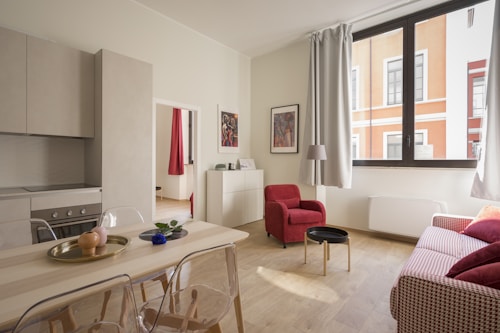
For many students, moving to Tokyo can feel overwhelming due to the complex apartment rental procedures (guarantors, key money, etc.). MCA helps resolve this stress by offering affiliated dormitories. These accommodations are designed to be affordable, safe, and close to the school. Options range from shared rooms to single rooms, fully equipped with essential appliances and internet. Living in a student dormitory provides an instant support network of classmates, which is invaluable during your first few months in the country.
🎓 4. University & Career Pathways
The "Career" in Mitsumine Career Academy is not just a label—it is the ultimate goal of the curriculum. The school boasts an excellent track record of placing graduates into high-ranking universities, graduate schools, and vocational colleges (Senmon Gakko).
Designated Recommendation System (Shiteikou Suisen)
Due to MCA's decades of high educational standards and excellent reputation among higher education institutions, the school holds "Designated Recommendation" slots (Shiteikou Suisen) with numerous universities and vocational schools. This system allows exemplary MCA students with high attendance rates and strong academic records to gain admission to partner institutions with simplified exam procedures and sometimes waived application or registration fees.
Comprehensive University Prep
- Personal Counseling: Every student is assigned a counselor who helps map out their academic path, from selecting the right universities to drafting compelling personal statements (Zhiwangshu).
- Interview Simulations: Japanese university and vocational school admission interviews can be incredibly intimidating. MCA teachers conduct rigorous, realistic mock interviews to ensure you can express your thoughts clearly, confidently, and politely.
- Research Proposals: For graduate school candidates, teachers provide intensive, one-on-one editing sessions for research proposals (Kenkyu Keikakusho), which are critical for gaining professor approval.
💡 5. Practical Tips for Applicants
If you are ready to take the next step and apply to MCA, keep these expert advisor tips in mind to maximize your chances of success and ensure a smooth transition:
- Choose Your Intake Month Strategically:
- If you want the most thorough preparation possible and are starting from a beginner level, the April 2-Year Course is the gold standard. It aligns perfectly with the Japanese academic year, which starts in April.
-
If you already have an N3 or N2 level of Japanese and want a fast-track route, the October 1.5-Year Course or the April 1-Year Course can save you time and tuition fees.
-
Plan Your Application Timeline Early:
-
The application process for student visas in Japan takes approximately 5 to 6 months. For example, if you wish to apply for the October intake, you should submit your initial documents to the school by late April or May. Don't wait until the last minute!
-
Financial Planning:
- Tokyo is an amazing city, but you must budget realistically. Beyond the tuition fees listed above, expect to spend roughly ¥100,000 to ¥150,000 per month on living costs (rent, food, insurance, and utilities).
-
While international students in Japan are permitted to work up to 28 hours per week part-time (and up to 8 hours a day during school holidays), you should not rely entirely on part-time job income to pay your tuition. Use your savings for the initial fees, and use your part-time earnings to cover daily living expenses.
-
Leverage the Shinjuku Location for Networking:
- Take advantage of being in Shinjuku to attend university fairs, open campus days, and career expos, which are frequently held in this part of the city. Being proactive outside of class hours will give you a massive advantage when it comes time to apply to your next institution.
Related study abroad guides
Was this page helpful?
Your feedback helps us improve our guides
Nearby housing


Related guides
 Budget
Save with Japanese Budgeting Apps: Money Forward ME vs Zaim for Students
 Housing
Find Apartments in Japan: Complete SUUMO, Homes, Apaman Shop Guide
Housing
Student Housing in Japan: Dorms vs Share Houses vs Apartments 2026
Budget