Sakura Chiba Japanese Language School
千葉県我孫子市柴崎台4-4-14
🏫 School Overview & Philosophy
Sakura Chiba Japanese Language School, strategically located in Abiko City, Chiba Prefecture, offers a distinctive educational environment balancing academic rigor with practical community living. While situated outside the immediate, hyper-dense core of Tokyo, Abiko provides a serene yet well-connected setting—ideal for focused study, while still affording easy access to the metropolitan academic and cultural hubs. With a relatively modest capacity of 192 students, the school cultivates an intimate, supportive atmosphere where personalized attention is the norm, not the exception. This smaller scale is crucial to the school’s philosophy, which hinges on providing deeply tailored support, especially for students aiming at highly specialized higher education pathways in Japan.
The school’s core philosophy is built upon the dual pillars of "Specialized Academic Achievement (進学)" and "Practical Fluency (会話)." Unlike many general language schools, Sakura Chiba recognizes that passing the N1 or the EJU is only half the battle; real success in a Japanese university or workplace requires immediate, natural communicative competence. Therefore, the curriculum is meticulously designed to integrate rigorous grammar and reading comprehension necessary for examination success with extensive opportunities for spontaneous, practical dialogue. The school aims not merely to teach Japanese as a subject, but to equip students with Japanese as a functional tool for navigating complex academic disciplines and professional environments. By choosing a location slightly removed from the costly and distracting center of Tokyo, Sakura Chiba ensures that students can maximize their study focus while benefiting from lower living expenses, a critical consideration for international students on a budget.
The management and faculty at Sakura Chiba are deeply invested in student outcomes, particularly those seeking admission into competitive Japanese universities, graduate schools, or vocational colleges specializing in technical fields. The comprehensive range of preparatory tracks—explicitly covering STEM (Science), Fine Arts (美術), and Business—demonstrates an institutional commitment to serving a diverse academic clientele, moving beyond the typical arts-focused university preparation common in the industry. This institutional specialization requires faculty members who are not only expert Japanese language instructors but also possess a keen understanding of the specific demands of subject-specific entrance examinations like the EJU Science track or the portfolio requirements for prestigious art academies. The foundation of the school’s mission is to act as a crucial academic bridge, smoothing the transition for ambitious international students into their chosen field of study in Japan.
The strategic selection of Abiko City also plays into the school’s supportive ecosystem. Students are encouraged to integrate into the local community, utilizing their conversational skills in real-world scenarios, which complements the intensive classroom learning. The availability of robust on-site accommodation, notably including single-room options, further facilitates a productive learning environment by ensuring students have a private, quiet space conducive to intense self-study and preparation required for challenging entrance exams like the EJU. Sakura Chiba Japanese Language School positions itself as a specialized academy where focused ambition meets personalized, high-quality instruction.
📚 Courses, Curriculum & Teaching Style
The curriculum at Sakura Chiba is highly segmented and outcome-driven, prioritizing the successful matriculation of students into Japanese higher education institutions across diverse fields. The primary offerings are the University Preparation Courses (進学コース), structured around 2-year (April intake) and 1.5-year (October intake) programs. These courses are intensive and designed to take students from beginner to advanced levels (N1/N2 equivalent) while simultaneously addressing the requirements of the EJU and specific university application processes.
Specialized Academic Tracks: The most notable feature of Sakura Chiba’s curriculum is the provision of distinct preparatory tracks tailored to specific academic disciplines, a commitment rarely seen in schools of this size. These tracks begin after students achieve an intermediate level of Japanese proficiency (typically N3 or higher) and involve specialized instruction:
- STEM/Science Track (理科/Rika): Dedicated instruction in Japanese terminology and context necessary for EJU Science subjects (Physics, Chemistry, Biology) and Mathematics (Course 2). This track focuses on enabling students to handle complex academic texts and lecture content in technical fields, a prerequisite for engineering, medicine, or science degree programs.
- Art & Design Track (美術・デザイン): This track prepares students not only for the language portion of entrance exams but also provides guidance crucial for portfolio development and preparation for specialized art university entrance exams. Instruction includes understanding art history terminology, critiquing Japanese art and design concepts, and preparing for essential practical examinations and interviews required by institutions like Musashino Art University or Tama Art University. This holistic approach ensures linguistic competency combined with artistic readiness.
- Business Japanese Track: Although focused on academic progression, the school also caters to students who seek entry into specialized vocational schools or direct employment in Japan. This track integrates advanced conversational Japanese with business etiquette (Keigo), specialized vocabulary, and an understanding of Japanese corporate culture, providing a strong foundation for future professional life.
Teaching Methodology: The teaching style is rigorously balanced. General Japanese classes utilize established methods focusing on grammar, vocabulary acquisition, and the four essential skills (reading, writing, listening, speaking). However, the school heavily emphasizes Kaiwa (Conversation), embedding frequent communication drills, role-playing, and presentation opportunities into the core curriculum. This focus ensures that while students are mastering the intricacies of Japanese grammar for the N-test, they are also gaining the immediate practical confidence needed for daily life and academic interviews.
Furthermore, the curriculum integrates specialized EJU preparation modules, mock exams, and personalized tutoring to analyze student weaknesses and strengthen subject knowledge. For students not requiring EJU (e.g., those applying directly to specialized vocational colleges), the curriculum shifts focus toward interview preparation, essay writing for entrance applications, and specialized terminology relevant to their vocational goals. The flexibility to cater to both the highest levels of academic research preparation and practical career skills highlights the school's commitment to diverse student outcomes.
Short-Term Course (短期): Sakura Chiba also welcomes short-term students, providing flexibility for those who wish to experience studying Japanese immersion without committing to a long-term visa. These programs typically focus heavily on practical conversational Japanese and cultural understanding, serving as an excellent entry point for potential long-term students or travelers.
🌍 Student Body & Campus Life
With a relatively small capacity of 192 students, Sakura Chiba Japanese Language School fosters a close-knit, international community. This size ensures that the student-to-teacher ratio remains favorable, allowing instructors to recognize individual struggles, monitor progress closely, and provide intervention swiftly. Students hail from various nations, contributing to a vibrant multicultural atmosphere where the common language of instruction naturally becomes Japanese, reinforcing the learning process outside the classroom.
Campus Environment: Located in Abiko City, Chiba, the school benefits from a less urban, more tranquil environment compared to central Tokyo. This environment is highly conducive to focused academic study, mitigating the high cost of living and the distractions inherent in a mega-city. Abiko offers a balanced lifestyle, with good local amenities and swift train access to major educational and cultural centers like Ueno or Akihabara (via the JR Joban Line).
Integration and Activities: The school actively promotes student integration into the local community. Through structured cultural exchange activities, local field trips, and participation in regional festivals, students are given authentic opportunities to use their Japanese language skills in practical, cultural contexts. The school leverages the close relationship afforded by its suburban setting to facilitate community involvement, essential for truly mastering the nuances of the Japanese language and culture.
Focus on Communication: Given the school's stated emphasis on Kaiwa (conversation), campus life revolves around active communication. Teachers encourage students to speak Japanese exclusively, not just during lessons but during breaks and administrative interactions. This immersion environment accelerates the development of natural fluency, preparing students not just for tests but for social and academic success in Japan.
Support System: Due to the high number of students enrolled in specialized EJU tracks (STEM, Art), campus life includes peer study groups and specialized resource rooms. The school’s administration provides robust daily life support, assisting with essential bureaucratic tasks like residency registration (Zairyu Card procedures), national health insurance enrollment, and setting up bank accounts—tasks that can be overwhelming for new arrivals in a less central location. Furthermore, the supportive infrastructure extends to part-time job guidance, helping students find suitable employment within the local Abiko or surrounding Chiba area, ensuring compliance with student visa regulations while gaining valuable work experience.
🎓 University & Career Pathways
Sakura Chiba Japanese Language School functions primarily as a highly effective gateway to Japanese higher education. The institutional support structure is acutely focused on securing successful placements for its graduates across a wide spectrum of academic fields, from highly competitive national universities to specialized vocational schools.
Specialized Placement Guidance: The strength of the school lies in its dedicated track system. Guidance counselors are equipped with specific knowledge regarding the entrance requirements for particular faculties, which is vital for the STEM and Art students:
- STEM Pathway Guidance: For students targeting science and engineering programs, counselors help select appropriate universities based on EJU scores, guide them through the rigorous interview processes common in science departments, and provide targeted coaching on presenting research proposals or scientific interests in Japanese.
- Art & Design Pathway Guidance: This is perhaps the most unique offering. Placement support includes connections to prep schools (juku) specializing in art entrance exams, assistance with portfolio conceptualization and review, and specific practice for the critical interview stage where artistic vision and motivation must be communicated effectively in Japanese. This niche specialization dramatically increases the chances of acceptance into top art institutions.
- EJU Strategy: Intensive EJU preparation is standard, covering all general subjects (Japanese as a Foreign Language, Math, General Knowledge). The curriculum is structured to finalize EJU preparation well ahead of the official testing dates, allowing ample time for retakes and subsequent university application deadlines.
Application and Interview Preparation: The guidance extends beyond test scores. Students receive extensive one-on-one counseling on drafting compelling personal essays and statements of purpose (志望理由書), which are critical components of the application process. Furthermore, the school conducts rigorous mock interviews—both general and subject-specific—simulating the high-pressure environment of university selection interviews. For students pursuing careers directly after the language school via the Business Track, counselors provide training on Keigo (honorific Japanese), resume preparation tailored to Japanese corporate expectations, and vocational school admission support.
By offering customized, faculty-driven support tailored to distinct academic disciplines, Sakura Chiba ensures that its graduates are not generic N1 holders, but academically prepared candidates capable of immediate immersion in complex university environments. The success of this specialized guidance system is key to the school's reputation and appeal, particularly for international students with pre-determined, high-level academic aspirations in science or the arts.
🏡 Accommodation & Living Support
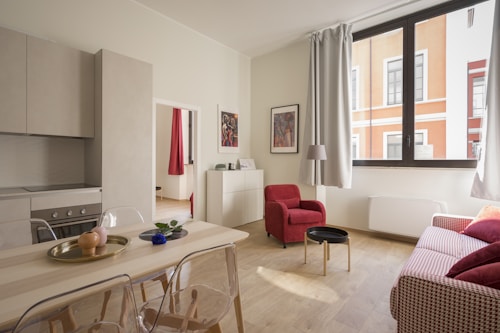
Sakura Chiba Japanese Language School provides comprehensive accommodation solutions, significantly easing the initial transition for international students. The availability of dedicated dormitories (気宿舎) is a major draw, providing safe, convenient housing immediately upon arrival.
Premium Feature: Single Rooms (1人室): A standout feature of the school’s offering is the availability of single-occupancy rooms. In the context of Japanese language schools, where shared rooms are often the standard to reduce costs, the option for a private room is a significant advantage. This allows students dedicated personal space, privacy, and an optimal environment for focused, intensive self-study—a necessity when preparing for competitive examinations like the EJU or university entrance tests. Dormitory facilities are managed by the school, ensuring high standards of safety and maintenance, and utilities/Wi-Fi access are typically streamlined for student use.
Dormitory Location and Convenience: The dormitories are generally located within a manageable commute (often walking or a short bike/train ride) of the school campus in Abiko City. This proximity eliminates lengthy, stressful commutes, maximizing study time. Furthermore, residing in a school-managed dormitory provides an immediate community environment, offering a crucial social network for new students arriving in Japan.
Comprehensive Settling-in Support: The administrative team provides extensive support related to housing and daily life. This includes:
- Check-in and Orientation: Thorough guidance on using appliances, understanding Japanese waste separation rules, and neighborhood resources (supermarkets, hospitals).
- Utility Management: Assistance in setting up or managing basic utilities (though often covered in dormitory fees, management details still require initial guidance).
- Health and Safety: Clear instructions regarding local clinics, emergency procedures, and health insurance usage. The school acts as a vital liaison, especially for students whose Japanese skills are still developing.
By offering reliable, secure, and personalized accommodation options like the single room, Sakura Chiba removes a major source of stress for international students, allowing them to allocate maximum mental energy to their demanding academic studies. The accommodation support is seamlessly integrated with the school's mission to provide a highly concentrated learning experience in the Chiba area.
💰 Tuition, Fees & Scholarships
Sakura Chiba Japanese Language School offers competitive tuition packages, particularly considering the specialized academic support provided (EJU, STEM, Art tracks) and the relatively lower cost of living in Abiko compared to central Tokyo. The total fees provided are comprehensive figures that typically include tuition, enrollment fees, facility costs, and initial study materials for the full duration of the program.
**Detailed Cost Breakdown (Approximate Fees based on provided totals):
**
| Item | Course Length | April Intake (2 Years) | October Intake (1.5 Years) |
|---|---|---|---|
| Total Fees (School Defined) | ¥1,729,400 | ¥1,316,300 | |
| Estimated Initial Payment (First Year/6 Months) | ¥850,000 – ¥900,000 | ¥650,000 – ¥700,000 | |
| Enrollment Fee (Estimate) | Included | ¥50,000 – ¥80,000 | ¥50,000 – ¥80,000 |
| Tuition Fee (Annual Estimate) | ¥680,000 – ¥750,000 | (Pro-rata) | |
| Materials & Facility Fee (Annual Estimate) | ¥50,000 – ¥80,000 | (Pro-rata) | |
| Insurance/Miscellaneous (Estimate) | ¥20,000 – ¥30,000 | ¥15,000 – ¥25,000 |
Note: The total fees provided are comprehensive for the specified course length. Actual initial payments and specific breakdowns are subject to official school documentation. The cost structure reflects a reasonable investment for two years of highly specialized university preparation, especially given the dedicated resources allocated to EJU subject preparation and portfolio guidance.
Scholarship Opportunities (奨学金 - Shōgakukin):
Sakura Chiba actively supports academically gifted students through various scholarship programs. The school's commitment to offering scholarships is crucial for attracting highly motivated individuals dedicated to academic advancement. These opportunities typically fall into several categories:
- MEXT Honors Scholarship for Privately Financed International Students: Students who demonstrate exceptional academic performance and attendance while enrolled in the school can be nominated for this highly sought-after governmental scholarship, which provides a monthly stipend.
- Internal Academic Excellence Scholarships: Sakura Chiba usually maintains its own internal scholarship fund, rewarding students who achieve top marks in their Japanese language classes, excel on EJU mock exams, and maintain perfect attendance records. These may be offered as tuition reductions or lump-sum financial awards.
- Perfect Attendance Awards: Recognizing the importance of commitment, many Japanese language schools, including Sakura Chiba, offer small, but significant, financial awards for students who achieve outstanding attendance and punctuality, often a core requirement for visa renewal and university recommendation.
These financial aid options, combined with the lower cost of living in Abiko City compared to central Tokyo, make Sakura Chiba an economically viable and highly appealing choice for students prioritizing specialized academic preparation without incurring the maximum financial burden associated with studying in the heart of the metropolis. Students are encouraged to inquire early about eligibility and application criteria for all available scholarships to help offset the total cost of their study abroad experience.
The strategic location, focused academic tracks (STEM, Art, Business), commitment to conversational fluency, and robust accommodation support—including highly desirable single rooms—establish Sakura Chiba Japanese Language School as a premier destination for ambitious international students targeting specialized university admission in Japan. The overall structure is designed for focused success and integration into high-level Japanese academic life.
Related study abroad guides
Was this page helpful?
Your feedback helps us improve our guides
Nearby housing

Related guides
 Budget
Save with Japanese Budgeting Apps: Money Forward ME vs Zaim for Students
 Housing
Find Apartments in Japan: Complete SUUMO, Homes, Apaman Shop Guide
Housing
Student Housing in Japan: Dorms vs Share Houses vs Apartments 2026
Budget