Shizuoka Japanese Language Education Center
静岡県静岡市葵区横田町11-6
🏫 School Overview & Philosophy
The Shizuoka Japanese Language Education Center (静岡日本語教育センター) is strategically located in Shizuoka City, a significant regional hub known for its high quality of life, favorable climate, and direct connection to the awe-inspiring backdrop of Mount Fuji. Operating with a medium capacity of approximately 200 students, the Center positions itself as a highly focused institution that balances intensive academic preparation with comprehensive welfare support, a commitment underlined by its provision of guaranteed dormitory accommodation. Unlike the overwhelming and often expensive environment of major metropolitan areas, Shizuoka offers an ideal setting for international students to immerse themselves in study without the constant distractions and high living costs associated with Tokyo or Osaka, allowing students to maximize their focus on language acquisition and university entrance examination preparation. The school’s core philosophy is deeply rooted in the belief that language proficiency is merely the foundation; true success in Japan requires specialized academic training, cultural adaptability, and robust personal support.
Established with a primary mission to facilitate higher education advancement (進学, Shingaku), the Center designs its educational environment to be rigorous yet nurturing. This dual focus ensures that students not only achieve high scores on standardized tests like the Japanese Language Proficiency Test (JLPT) and the Examination for Japanese University Admission (EJU) but also develop the critical thinking and communication skills necessary for succeeding in a demanding university environment. The Center specifically addresses the unique challenges faced by students aiming for competitive Japanese universities by offering tailored coursework and guidance. By maintaining a student-to-teacher ratio conducive to personalized attention, the Center ensures that each student’s academic trajectory is closely monitored, identifying specific areas needing improvement, particularly in complex academic Japanese required for essay writing and technical presentations. The ethos here is preparation for life, not just for exams, fostering self-reliance alongside academic excellence.
The location in Shizuoka City further enhances the learning experience. The city provides a safer, more tranquil, and significantly less expensive environment than the Kanto or Kansai regions, which translates directly into cost savings and reduced stress for students and their families. Furthermore, the accessibility to local universities and colleges allows for opportunities for exchange and exposure, creating a practical context for utilizing their newly acquired Japanese skills. The Center actively encourages engagement with the local community, believing that genuine cultural integration accelerates language mastery and improves overall well-being. This holistic approach, combining expert academic coaching with excellent residential support in a regional Japanese city, makes the Shizuoka Center a highly effective choice for serious, goal-oriented international students aiming for the top tiers of Japanese higher education.
Crucially, the Center distinguishes itself by providing specialized academic tracks, notably strong support for students pursuing Science and Engineering degrees. Recognizing the complexity of EJU Science subjects and the rigorous requirements of Japanese STEM university entrance processes, the Center incorporates dedicated supplementary instruction in physics, chemistry, and mathematics alongside core language classes. This integration of academic discipline-specific knowledge with Japanese language mastery is rare among language schools and demonstrates the Center's commitment to equipping students with all necessary tools for success in technically demanding fields. This dual focus on language mastery and specialized STEM preparation positions the Shizuoka Japanese Language Education Center as a uniquely advantageous stepping stone for students with specific aspirations in Japanese technical and research institutions.
📚 Courses, Curriculum & Teaching Style
The Shizuoka Japanese Language Education Center offers three primary long-term courses tailored to the academic calendar and student needs: the 2-Year Course (starting April), the 1.5-Year Course (starting October), and the highly focused 1-Year Course (starting April, generally for students already possessing N3/N4 skills or requiring intensive speed-up). All curricula are designed to be intensive and progress systematically from foundational skills to advanced university-level academic Japanese. The structure adheres to the standard language school model but differentiates itself through its deep integration of examination preparation from the intermediate level onward.
Comprehensive Curriculum Breakdown
Phase 1: Foundation Building (Months 1–6): Focuses primarily on basic grammar (N5/N4 level), essential vocabulary, daily conversation, and mastering the three Japanese scripts (Hiragana, Katakana, and essential Kanji). The teaching style during this phase is highly communicative and interactive, aimed at rapidly building confidence in simple dialogue and classroom comprehension. Emphasis is also placed on developing effective listening skills crucial for the high-speed environment of Japanese daily life and academia. Regular quizzes and structured review sessions ensure retention before students transition to more complex materials.
Phase 2: Intermediate Transition and JLPT Preparation (Months 7–12): The curriculum transitions into the N3 and N2 levels. This phase introduces complex grammar structures, advanced reading comprehension, and more nuanced conversational Japanese, including honorifics (Keigo). Specialized classes begin targeting the JLPT N2 examination. More importantly, this phase marks the initiation of EJU-specific foundational training. Students begin analyzing EJU-style texts and problem formats in subjects like reading comprehension and listening/listening-reading, preparing them mentally for the rigor of the standardized test.
Phase 3: Advanced Academic Mastery and EJU/University Entrance Focus (Months 13+): This is the crucial preparation stage, focusing on JLPT N1 proficiency and intensive EJU subject matter preparation. Classes become highly specialized, splitting students into cohorts based on their intended university major: Humanities/Social Sciences or Science/STEM. For the Humanities track, focus intensifies on essay writing (小論文, shōronbun), critical reading of long, complex academic texts, and social science mathematics (Course 1). For the highly specialized Science/STEM Track (理科, Rika), the curriculum incorporates supplementary instruction delivered by qualified instructors focusing specifically on EJU Mathematics (Course 2), Physics, Chemistry, and Biology, ensuring students are academically prepared for entry into highly competitive engineering and science faculties across Japan. Teaching methodologies involve simulation tests, timed practice sessions, detailed error analysis, and individual tutoring sessions for subject clarification.
Teaching Style and Methodology
The school adopts a highly practical, goal-oriented teaching style. While classroom lessons cover grammar and vocabulary comprehensively, significant time is dedicated to application through mock interviews, presentation practice, and practical conversational exercises, reflecting the school’s feature tag of '会話' (Conversation). Teachers are seasoned professionals, many of whom have specific expertise in administering EJU guidance. The methodology involves not just lecturing, but facilitating active learning where students are expected to participate, debate, and present findings in Japanese, simulating the environment of a Japanese university seminar. Furthermore, the school utilizes up-to-date digital resources and standardized textbooks widely accepted in the Japanese language education field, ensuring that the curriculum remains relevant to current testing standards and academic expectations.
🌍 Student Body & Campus Life
The student body at the Shizuoka Japanese Language Education Center, while modestly sized due to its 200-student capacity, is generally focused and internationally diverse, though often with a strong concentration of students from East and Southeast Asian nations (such as China, Vietnam, South Korea, and Nepal) who traditionally prioritize the university advancement path. This high ratio of goal-oriented students fosters a mutually supportive and competitive academic atmosphere. New students find immediate camaraderie, particularly facilitated by the shared experience of living in the provided dormitory facilities.
Campus life revolves around academic commitment, but the Shizuoka location offers excellent opportunities for relaxation and cultural immersion. Shizuoka City itself is highly livable, known for its green spaces, proximity to the ocean, and access to regional travel hubs, making weekend excursions manageable. The local culture is deeply tied to green tea production, historical landmarks (like Sunpu Castle Park), and coastal activities, offering a distinct cultural flavor compared to the urban sprawl of Tokyo. Students often engage in local festivals (matsuri) and community events organized by the school or local volunteers, which serves as an essential practical application of their Japanese language skills and promotes true cultural adaptation.
The school recognizes that the student experience extends beyond the classroom. Therefore, regular cultural orientation sessions, field trips to museums, traditional crafts workshops, and seasonal outings (e.g., viewing cherry blossoms or visiting tea plantations) are integral parts of the student life calendar. These activities are carefully chosen to enhance understanding of Japanese customs and society, crucial knowledge for passing university interviews and successfully integrating into the workforce later on. Crucially, the smaller scale of the school and the close living quarters (dormitory) means that pastoral care and immediate support are readily available, ensuring international students feel secure and understood throughout their intensive study period.
🎓 University & Career Pathways
The primary, explicit goal of the Shizuoka Japanese Language Education Center is the successful placement of its students into high-quality Japanese higher education institutions, spanning prestigious national, public, and highly respected private universities (including the so-called ‘MARCH’ or equivalent regional institutions). The academic planning and support services provided are exceptionally robust, reflecting the school’s core mission of Shingaku.
Dedicated Advancement Support
- EJU Mastery Programs: Given the school's focus on EJU, dedicated subject teachers monitor student progress relentlessly. Mock EJU examinations are administered frequently under realistic conditions, followed by individualized counseling sessions to adjust study plans. The specialized Science/STEM track ensures that aspiring engineers and researchers receive high-level guidance necessary for scoring competitively in challenging subject areas like physics and specialized mathematics.
- University Selection and Application: Counselors provide detailed, up-to-date information on entry requirements for universities across Japan. Assistance is provided in narrowing down choices based on academic performance, future career goals, and financial feasibility. This includes practical help with preparing application documents, checking eligibility criteria, and communicating effectively with university admissions offices.
- Interview and Essay Training: Mastering the Japanese university interview is critical. The Center conducts rigorous one-on-one interview training sessions, often simulating the high-pressure environment of university panels, focusing on proper honorific language (Keigo), articulation of research interests, and cultural appropriateness. Furthermore, extensive coaching is provided for the academic essay (小論文), a common requirement for both public and private university applications, ensuring students can present coherent, analytical arguments in polished academic Japanese.
- Specialized STEM Guidance: For students targeting science and engineering faculties, support extends to understanding technical terminology, preparing for specialized entrance exams (if required by the target university beyond the EJU), and navigating the competitive landscape of laboratory placement and undergraduate research pathways. This level of specialization is a significant competitive advantage for STEM-focused students.
Upon graduation from the Japanese Language Center, students are expected to possess JLPT N1 or strong N2 credentials, coupled with competitive EJU scores, making them highly desirable candidates for Japanese higher education, thus fulfilling the school's commitment to academic excellence and guaranteed pathways.
🏡 Accommodation & Living Support
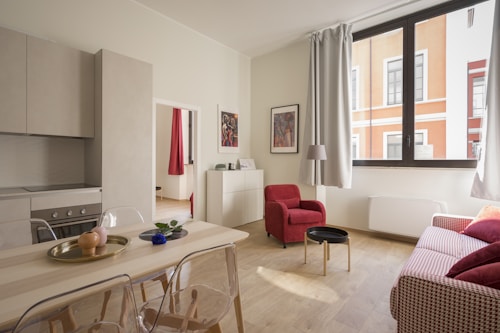
One of the most appealing and reassuring features of the Shizuoka Japanese Language Education Center, especially for parents and students new to Japan, is the strong emphasis on structured living support, often involving mandatory or heavily recommended dormitory placement, denoted by the '기숙사' (Dormitory) feature tag. This provision removes the significant stress associated with finding accommodation in Japan, navigating complex lease agreements, securing utility contracts, and purchasing furniture—challenges that can severely impede early language study.
Dormitory Life and Benefits
The affiliated dormitories are typically located within close proximity to the school, significantly reducing commuting time and costs, and ensuring a safer environment. Living in the dormitory guarantees immediate access to a community of peers and a structured environment conducive to study. The fixed housing costs, often bundled into the first year's non-tuition fees, aid significantly in financial planning. The Center’s administrative staff manage all aspects of residential life, providing crucial initial support, from checking in, establishing house rules, to acting as guarantors—an essential requirement in Japan.
Local Living Advantages in Shizuoka
The cost of living in Shizuoka Prefecture is substantially lower than in the Kanto region. Rent, groceries, and daily transportation costs are comparatively modest, meaning the student’s budget stretches further. This financial relief allows students to focus resources more effectively on tuition, specialized study materials, and occasional cultural activities, without the pressure of needing immediate, high-paying part-time work simply to cover basic living expenses. The administrative support team further assists students in navigating local bureaucracy, such as registering at the ward office, opening a bank account, and understanding local rules and customs, ensuring a smooth and rapid transition to life in Japan.
Beyond the administrative basics, the school’s welfare support system includes emergency contacts, health guidance, and academic counseling, all available in multiple languages. This commitment to holistic student support guarantees a stable and secure foundation upon which students can launch their academic careers in Japan. The mandatory dormitory structure promotes discipline, cultural exchange among roommates, and provides peace of mind for international families.
💰 Tuition, Fees & Scholarships
The Shizuoka Japanese Language Education Center is notable for offering competitive and relatively affordable tuition rates, especially considering the high level of specialized EJU and STEM support provided, and the inclusion of potentially subsidized dormitory access (though full dormitory costs are usually separate from the listed fees below). The fee structure is transparent, covering standard application, enrollment, facility maintenance, and tuition fees.
Standard Course Fees (First Year)
The following table outlines the tuition structure for the various long-term advancement courses based on the provided input data. Note: These figures typically represent the total costs payable for the first designated period (6 months to 1 year, depending on the school's payment schedule) and exclude costs like insurance, textbooks, external EJU subject prep materials, and mandatory dormitory fees, which must be budgeted separately. The figures below are the total costs provided, representing the full duration of the specified course.
| Course Name (English Translation) | Admission Month | Total Course Duration | Total Fees Payable (JPY) |
|---|---|---|---|
| Advancement 2-Year Course (進学2年コース) | April | 24 Months | ¥1,141,600 |
| Advancement 1.5-Year Course (進学1年半コース) | October | 18 Months | ¥879,200 |
| Advancement 1-Year Course (進学1年コース) | April | 12 Months | ¥614,800 |
Note on Annual Cost Comparison: The 2-year course is particularly cost-effective, averaging approximately ¥570,800 per year for tuition, a rate significantly lower than many schools in major cities, reflecting the Shizuoka location's cost advantage.
Estimated Initial Payment Breakdown (Example: 2-Year Course)
While the exact breakdown requires consulting the official school guide, a typical initial payment (covering application, enrollment, facility fees, and the first six months of tuition) for a comparable 2-Year program might range between ¥400,000 and ¥500,000, payable prior to visa application. Students must also factor in a security deposit and 1-2 months' rent for the dormitory accommodation, which could add an additional ¥150,000 to ¥250,000 to the initial remittance.
Scholarships and Financial Aid
The Center recognizes the importance of financial assistance and offers access to various scholarship opportunities, signified by the '장학금' (Scholarship) feature. These generally fall into two categories:
- School-Specific Merit Scholarships: Awarded to students demonstrating excellent attendance, exceptional academic performance within the Center (high grades on internal tests), and exemplary conduct. These are typically granted after the first semester of study and provide partial tuition reduction or monthly stipends.
- External and Government Scholarships: The school actively assists eligible students in applying for prestigious external scholarships, most notably the MEXT Honors Scholarship for Privately Financed International Students (JASSO scholarship reservation system). This scholarship provides a substantial monthly stipend (often ¥48,000 per month) to top-performing students based on their academic trajectory and JLPT/EJU results. The Center’s dedicated focus on EJU performance significantly improves student eligibility for these highly competitive external grants, further enhancing the financial feasibility of studying in Shizuoka.
Related study abroad guides
Was this page helpful?
Your feedback helps us improve our guides
Related guides
 Budget
Save with Japanese Budgeting Apps: Money Forward ME vs Zaim for Students
 Housing
Find Apartments in Japan: Complete SUUMO, Homes, Apaman Shop Guide
Housing
Student Housing in Japan: Dorms vs Share Houses vs Apartments 2026
Budget