Tokyo World Japanese Language School
東京都新宿区百人町1-13-24
🏫 School Overview & Philosophy
Tokyo World Japanese Language School (東京ワールド日本語学校) stands as one of the most prominent, large-scale educational institutions in Tokyo. Boasting a substantial capacity of 1,752 students, the school serves as a vibrant, multicultural hub in the heart of the Japanese capital. Located in Hyakunincho, Shinjuku-ku (東京都新宿区百人町1-13-24), the campus is situated in a highly dynamic and energetic neighborhood just moments away from Okubo and Shin-Okubo stations, and within walking distance of central Shinjuku. This prime location offers students immediate access to one of Tokyo's major transit, entertainment, and commercial districts, providing a living laboratory for practicing Japanese language skills in real-time.
The school’s educational philosophy revolves around fostering global citizens who can bridge the gap between their home countries and Japan. By emphasizing not only linguistic proficiency but also deep cultural awareness, social responsibility, and mutual understanding, Tokyo World prepares students to thrive in academic, professional, and personal spheres. The school believes that learning a language is inseparable from understanding the society that speaks it. Consequently, their curriculum is designed to help students think critically, communicate empathetically, and adapt successfully to the fast-paced Japanese lifestyle.
With decades of experience, Tokyo World Japanese Language School has built an elite reputation for transitioning international students into esteemed Japanese universities, graduate programs, and vocational colleges. The scale of the school allows it to offer highly specialized resources, multiple annexes, comprehensive counseling facilities, and a dedicated team of educators who are experts in university admissions and job-placement strategies in Japan.
📚 Courses, Curriculum & Teaching Style
At Tokyo World, academic progression is structured to accommodate different start dates and long-term academic targets. The curriculum is divided into five primary preparatory tracks. These courses are carefully designed to take students from their current proficiency level—whether they are absolute beginners or intermediate learners—to the level of fluency required to pass university entrance examinations, excel in the Examination for Japanese University Admission (EJU), or pass the highest levels of the Japanese Language Proficiency Test (JLPT).
The course durations vary based on the entry month, allowing students to align their language studies with the academic calendar of Japanese higher education institutions, which typically begins in April. Below is an overview of the structured courses and their respective total tuition fees:
| Course Name (English) | Course Name (Japanese) | Admission Month | Total Fees (JPY) |
|---|---|---|---|
| University Prep 2-Year Course | 進学2年コース | April | ¥1,561,000 |
| University Prep 1.9-Year Course | 進学1.9年コース | July | ¥1,376,500 |
| University Prep 1.5-Year Course | 進学1.5年コース | October | ¥1,192,000 |
| University Prep 1.3-Year Course | 進学1.3年コース | January | ¥1,007,500 |
| University Prep 1-Year Course | 進学1年コース | April | ¥823,000 |
Teaching Methodology and Focus Areas
- Comprehensive Academic Preparation: Classes cover all four language skills—reading, writing, listening, and speaking. For advanced levels, the curriculum heavily incorporates newspaper articles, essay writing, and complex debate topics.
- EJU & JLPT Custom Training: Understanding that test scores are key to university admissions, the school offers targeted practice exams, specialized lectures on mathematics, science, and global studies, and intensive grammar workshops.
- Active Communicative Style: Teachers emphasize practical communication, encouraging students to actively participate in group discussions, presentations, and mock interview sessions.
- Business Japanese Integration: For students looking to transition directly into the Japanese workforce, courses also introduce business etiquette, formal honorifics (Keigo), corporate communication patterns, and resume-writing techniques.
🌍 Student Body & Campus Life
With a capacity of over 1,700 students, the student body at Tokyo World Japanese Language School is exceptionally diverse, representing dozens of countries from around the world, including East Asia, Southeast Asia, Europe, and the Americas. This diverse environment ensures that students do not fall into the habit of speaking their native language, as Japanese naturally becomes the common tongue (lingua franca) used to communicate with peers from other nations.
Living in Shinjuku-ku (Hyakunincho & Shin-Okubo)
The school's location in Hyakunincho is particularly exciting for young international students. Shin-Okubo is widely celebrated as Tokyo's most vibrant international neighborhood, famous for its incredible global cuisine, lively shopping streets, and high accessibility. The area is highly convenient for finding part-time work, grocery shopping for foreign goods, and socializing.
School Dormitories
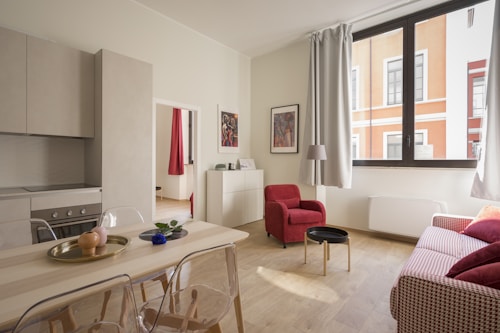
To ease the transition into Tokyo life, Tokyo World provides dedicated school dormitories. Navigating the Japanese real estate market can be challenging for newly arrived foreigners due to guarantor requirements and upfront fees. The school-managed housing options offer safe, clean, and reasonably priced shared or single accommodations within a short commute to the campus, allowing students to focus entirely on their studies from day one.
Campus Activities and Cultural Exchange
Education at Tokyo World extends far beyond the physical classroom. The school organizes regular extracurricular activities to help students unwind, bond with classmates, and deepen their appreciation for Japan. Typical events include:
* Seasonal field trips to iconic cultural sites (such as Kamakura, Mount Fuji, or Tokyo Disneyland).
* Cultural experience days, including calligraphy, kimono trials, and tea ceremonies.
* Disaster prevention drills, ensuring that students are prepared, safe, and integrated into local Japanese emergency protocols.
* Speech contests, providing a friendly, high-profile platform for students to demonstrate their linguistic growth.
🎓 University & Career Pathways
Tokyo World Japanese Language School has an exceptional track record when it comes to higher education placement. The school takes a highly personalized approach to counseling, ensuring that every student receives guidance tailored to their individual ambitions, academic backgrounds, and financial capabilities.
Academic Guidance & EJU Prep
For students aiming to enter prestigious private and public universities in Japan, the school provides robust support for the EJU (Examination for Japanese University Admission for International Students). Teachers offer supplementary lessons in subjects such as world history, mathematics, and science. Additionally, the school provides:
* One-on-One Interview Coaching: Mock interviews that simulate the rigorous admissions process of Japanese universities.
* Essay Writing (志望理由書) Correction: Detailed feedback on statement of purpose essays, helping students articulate their goals clearly and in formal academic Japanese.
* Designated School Recommendation (指定校推薦): Because of its long-standing reputation, Tokyo World has special agreements with many vocational colleges and private universities, allowing qualified students to receive fast-tracked admission or tuition discounts.
Career & Business Track
For those who already possess university degrees from their home countries and wish to enter the Japanese job market, the school assists with finding employment. Through partnerships with recruitment agencies and specialized Business Japanese instruction, students learn how to navigate the complex Japanese job-hunting process (shukatsu), write high-quality resumes, and handle themselves with confidence in formal professional environments.
💡 Practical Tips for Applicants
Choosing to study in Japan is a major life decision. If you are considering Tokyo World Japanese Language School, keep these practical, advisor-tested tips in mind:
- Align Your Admission Month with Your Goals: If your ultimate goal is to enter a Japanese university or graduate school, the academic year in Japan begins in April. Therefore, applying for the 2-Year Course (April start) or the 1.5-Year Course (October start) will give you the most logical transition timeline to complete your language studies just as university terms begin.
- Budget Wisely for Shinjuku Living: Shinjuku is one of the most exciting areas in Tokyo, but it can also be expensive. Utilizing the school’s dormitory options is a great way to save money on initial moving costs. Additionally, remember to budget for living expenses such as food, transport, and utilities, which typically average ¥100,000 to ¥150,000 per month depending on your lifestyle.
- Start Studying Before You Arrive: While Tokyo World accommodates beginners, you will progress much faster if you arrive already knowing Hiragana and Katakana, as well as basic vocabulary. Having N5-level proficiency before landing in Japan will also make it significantly easier to secure a part-time job early on.
- Understand Part-Time Work Regulations: As an international student with a student visa, you are legally permitted to work up to 28 hours per week (and up to 8 hours per day during official school holidays) once you obtain the "Permission to Engage in Activity Other Than That Permitted Under the Status of Residence Previously Granted" at the airport. Shinjuku's thriving service industry offers abundant part-time opportunities for language jobs-friendly environments, from retail to convenience stores and international hubs.
- Plan Your Application Timeline: The Certificate of Eligibility (CoE) visa application process in Japan is highly structured and begins approximately 5 to 6 months before your intended start date. Be sure to prepare your financial documents, graduation certificates, and identification well in advance to ensure a smooth, stress-free visa approval process.
Who This School Suits
Tokyo World Japanese Language School fits students who want a large, resource-rich campus with strong university-transition support and don't mind a busy, central Shinjuku setting. The Okubo/Shin-Okubo location means easy access to transit, international food, and student communities, which can help newcomers settle in faster. Students weighing multiple schools should compare class sizes, counseling availability, and university placement track records directly with the school before applying, since program details can vary by intake term.
Related study abroad guides
Was this page helpful?
Your feedback helps us improve our guides
Nearby housing


Related guides
 Budget
Save with Japanese Budgeting Apps: Money Forward ME vs Zaim for Students
 Housing
Find Apartments in Japan: Complete SUUMO, Homes, Apaman Shop Guide
Housing
Student Housing in Japan: Dorms vs Share Houses vs Apartments 2026
Budget