The University of Shiga Prefecture
2500 Hassaka-cho, Hikone, Shiga 522-8533, Japan
🏫 University Overview
The University of Shiga Prefecture (USP), or Shiga Kenritsu Daigaku, is a prestigious public institution located in the historic city of Hikone, on the eastern shores of Lake Biwa—Japan’s largest freshwater lake. Established in 1995, the university was founded on the philosophy of "Living in Harmony with Nature and People." Unlike traditional mega-universities in Tokyo or Osaka, USP offers a boutique academic experience where the boundaries between students, faculty, and the local environment are intentionally blurred to foster innovation and social responsibility.
The campus itself is an architectural marvel, designed to resemble a village that blends into the surrounding rice fields and lakeside landscape. For international students, this university represents an ideal balance between rigorous academic research and a peaceful, high-quality lifestyle that is increasingly rare in urban centers. It is particularly renowned for its focus on sustainability, environmental ethics, and community-based engineering.
🎓 Academic Excellence and Faculties
USP is divided into four distinct schools, each offering specialized undergraduate and graduate programs tailored to meet modern global challenges.
1. School of Environmental Science
This is the flagship faculty of the university. Given its proximity to Lake Biwa, the curriculum focuses heavily on aquatic ecology, environmental planning, and biological resources. Students engage in hands-on fieldwork, often utilizing the lake as a living laboratory. It is one of the few places in Japan where you can study the delicate balance between industrial development and freshwater conservation at such a deep level.
2. School of Engineering
The engineering programs here are characterized by their focus on "Materials and Machines for a Sustainable Society." Key departments include Materials Science, Mechanical Systems Engineering, and Electronic Systems Engineering. The faculty prides itself on close ties with Shiga’s robust manufacturing sector (which includes giants like Daikin and Toray), ensuring that research is practical and career-oriented.
3. School of Human Cultures
This school explores the complexities of human life through the lens of psychology, sociology, regional culture, and nutrition science. The Department of Design is particularly popular among international students who wish to study Japanese aesthetics and functional design. The school’s holistic approach aims to improve the "Quality of Life" (QOL) for diverse populations.
4. School of Nursing
Focused on regional healthcare and advanced medical practices, this school produces highly skilled nursing professionals. While primarily conducted in Japanese, its research into geriatric care and community health is world-class, reflecting Japan’s status as a leading super-aging society.
🌍 Why International Students Choose USP
The "Human-Scale" Education
One of the most significant advantages for international students is the small class sizes. You are not just a number at USP; the faculty-to-student ratio allows for intensive, personalized guidance. This is crucial for students who are still mastering the Japanese language or adjusting to the Japanese academic system.
A Sustainable Living Laboratory
The university is a leader in environmental SDGs (Sustainable Development Goals). International students interested in climate change, biodiversity, and eco-friendly urban planning will find themselves at the center of Japan's green movement. The interdisciplinary nature of the courses allows engineering students to collaborate with environmental scientists, creating a rich learning ecosystem.
Strategic Location
Hikone is a castle town with a rich samurai history. While it offers a quiet, safe environment for focused study, it is remarkably well-connected. A short train ride on the JR Biwako Line connects you to Kyoto in 50 minutes and Osaka in 80 minutes. This allows students to enjoy the cultural and career benefits of the Kansai region while paying significantly lower rent and living costs.
🏠 Student Life and Campus Culture
Life at USP is characterized by its integration with the local community. The campus lacks tall fences, symbolizing its openness to the world.
Housing and Cost of Living
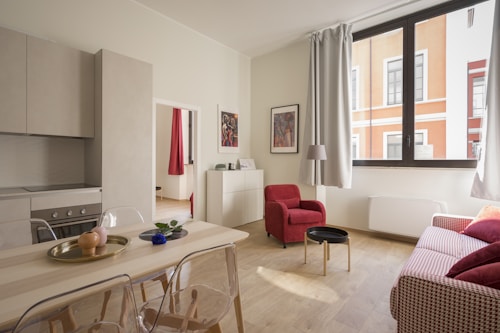
Shiga Prefecture is significantly more affordable than Tokyo. The university provides support for finding local apartments, which typically cost between 30,000 to 50,000 JPY per month. There are also designated student residences that foster international exchange. Food, transportation, and leisure activities are similarly budget-friendly, making it a viable option for students without massive financial backing.
Clubs and Activities
Despite being a mid-sized university, USP has a vibrant club scene. From traditional Japanese arts like Kado (flower arrangement) and Sado (tea ceremony) to the Wind Orchestra and competitive robotics teams, there are over 60 student organizations. For those who love the outdoors, the university’s location facilitates sailing, canoeing, and cycling around the 200km perimeter of Lake Biwa.
International Support System
The International Center at USP provides comprehensive support, including:
- Tutor System: Japanese students are assigned to help newcomers with academic work and daily life tasks like bank accounts and health insurance.
- Japanese Language Courses: Specialized classes are available for international students to improve their JLPT standing and academic writing.
- Cultural Exchange Programs: Regular field trips to historic sites in Shiga and Kyoto are organized to deepen students' understanding of Japanese heritage.
💰 Financial Information and Scholarships
As a public university, USP is highly affordable.
- Admission Fee: Approximately 423,000 JPY for students from outside Shiga (residents of the prefecture receive a significant discount).
- Tuition: Fixed at approximately 535,800 JPY per year.
Financial Aid:
1. Tuition Waivers: Most international students with financial need and good academic standing qualify for a 50% or 100% tuition exemption.
2. MEXT Scholarships: USP accepts students under the Japanese Government (Monbukagakusho) scholarship program.
3. Local Scholarships: Various Shiga-based foundations offer monthly stipends specifically for international students residing in the prefecture.
🚀 Career Paths and Post-Graduation
Shiga Prefecture has the highest ratio of manufacturing shipments to population in Japan. This translates to an abundance of job opportunities for graduates, particularly those in Engineering and Environmental Science. The university's Career Support Center offers specialized workshops for international students on how to navigate the Japanese "Shukatsu" (job hunting) process, including resume writing and interview etiquette.
Many international alumni find employment in Japanese multinational corporations, while others choose to pursue Master's or Doctoral degrees at USP or move on to top-tier national universities like Kyoto University or Osaka University.
📝 Admission Requirements for International Students
To apply as an international student (Privately Financed), you typically need:
1. EJU (Examination for Japanese University Admission): Scores in Japanese as a Foreign Language, Science/Mathematics, and Japan and the World (depending on the faculty).
2. JLPT N2 or N1: Most undergraduate courses are taught in Japanese, so a high level of proficiency is required.
3. Entrance Examination: Most departments require an on-campus essay test and an interview.
4. English Proficiency: While not always mandatory, a TOEIC or TOEFL score can be an advantage for the School of Engineering.
🔍 Final Consultant Advice
The University of Shiga Prefecture is a hidden gem for the serious student. It is not for those seeking the neon lights and constant chaos of Shinjuku. Instead, it is for the student who wants to be at the forefront of environmental and social innovation, who values close relationships with mentors, and who wants to truly integrate into Japanese society. If your goal is to become an expert in your field while living in one of Japan’s most beautiful and sustainable regions, USP should be at the top of your list. The combination of low living costs, high research standards, and a welcoming community makes it one of the best value-for-money educational investments in East Asia.
Related study abroad guides
Was this page helpful?
Your feedback helps us improve our guides
Related guides
 Budget
Save with Japanese Budgeting Apps: Money Forward ME vs Zaim for Students
 Housing
Find Apartments in Japan: Complete SUUMO, Homes, Apaman Shop Guide
Housing
Student Housing in Japan: Dorms vs Share Houses vs Apartments 2026
Budget